
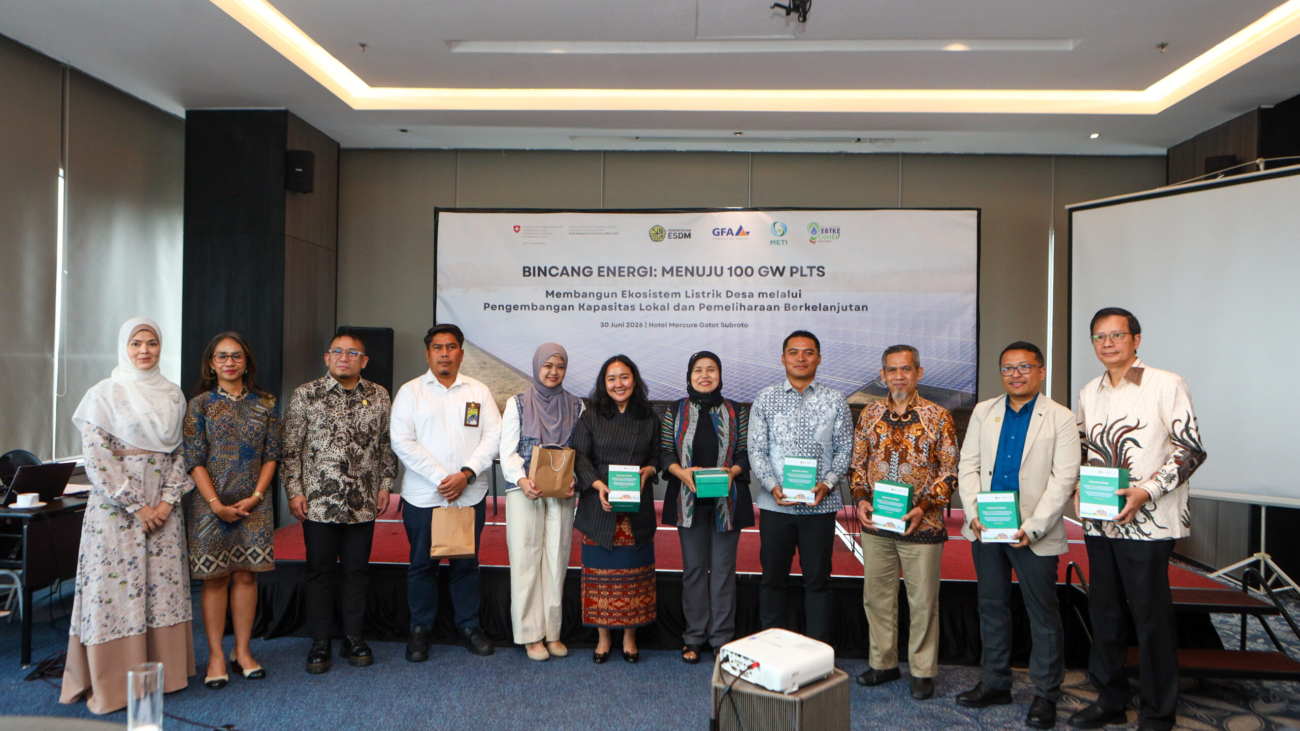
JAKARTA, June 30, 2026 – The Government has set a target of developing 100 GW of Solar Power Plants (PLTS) as a national priority agenda to achieve Indonesia’s energy self-sufficiency and independence. The readiness of local human resources is crucial to achieve this goal.
The Human Resources Development Agency for Energy and Mineral Resources (BPSDM ESDM) of the Ministry of Energy and Mineral resources affirmed that strengthening human resources capacity must be an integral part of renewable energy infrastructure development, particularly to ensure the operational sustainability of solar power plants in rural and remote areas.
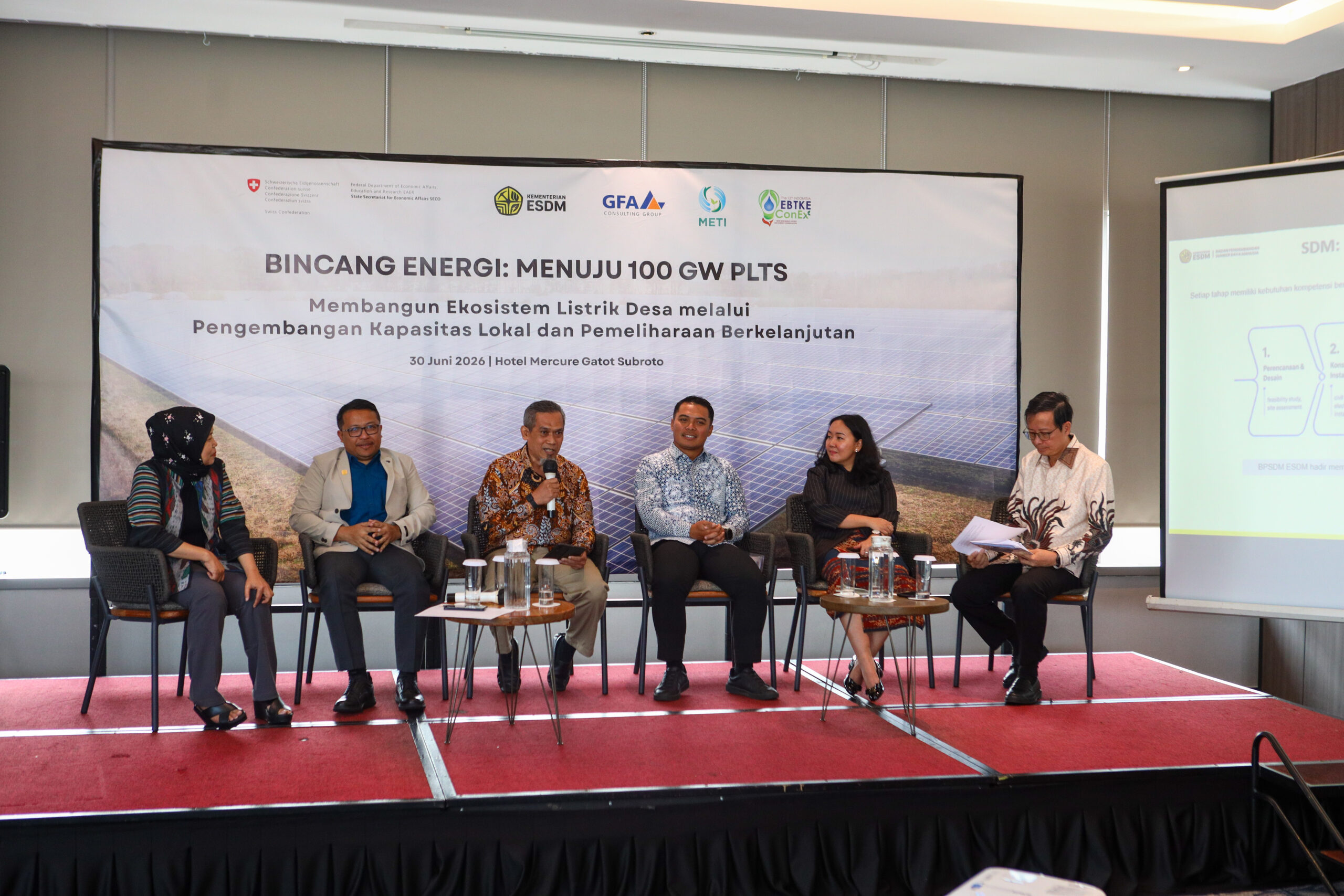
The Head of BPSDM ESDM, Prahoro Nurtjahyo, represented by the Head of the Center for Human Resources Development in Electricity, New and Renewable Energy, and Energy Conservation (PPSDM KEBTKE), Edi Wibowo, conveyed this at the Energy Talk forum titled “Towards 100 GW: Building a Village Electricity Ecosystem through Local Capacity Development and Sustainable Maintenance,” organized by Masyarakat Energi Terbarukan Indonesia (METI) together with the Renewable Energy Skills Development Project (RESD) in Jakarta on Tuesday (6/30).
In his presentation, Edi Wibowo emphasized that the energy transition is not just about building infrastructure. It also must ensure human resources readiness to operate and maintain energy systems sustainably.
“From field experience, a lot of energy infrastructure has been built but has not run optimally because [communities] are not able to maintain it. This is what we need to solve first. Local communities must be involved from the start of the project, trained and certified to operate and maintain the system, not trained only after everything has been installed. Our challenge now is ensuring the training and certification ecosystem can move as fast as the pace of development,” he stressed.
Achieving the 100 GW target is not just about installed capacity. It is also crucial to ensure electricity can reach villages and remote areas and provide real, sustainable benefits to communities. To date, a number of village electricity projects have operated below capacity or even been abandoned after installation. Key challenges include insufficient long-term maintenance budgets, limited access to spare parts, and inadequate remote monitoring systems.
METI’s Acting Chairman, Norman Ginting, said that achieving the 100 GW target requires the involvement of all stakeholders in building a strong renewable energy ecosystem.
“METI believes the 100 GW target is achievable if the entire ecosystem works together. We must overcome the challenges to reaching the 100 GW target together, starting from land availability issues, technical limitations around intermittency, infrastructure readiness, financing, legal certainty, policies and regulations, industrial supply chains, and just as important, human resource preparation. This capacity is an absolute requirement for the success of the 100 GW target, both in quantity and quality,” said Norman Ginting.
“As a platform that unites government, industry, and academia, we encourage collaboration and concrete action so that local human resources readiness becomes a priority,” he added.
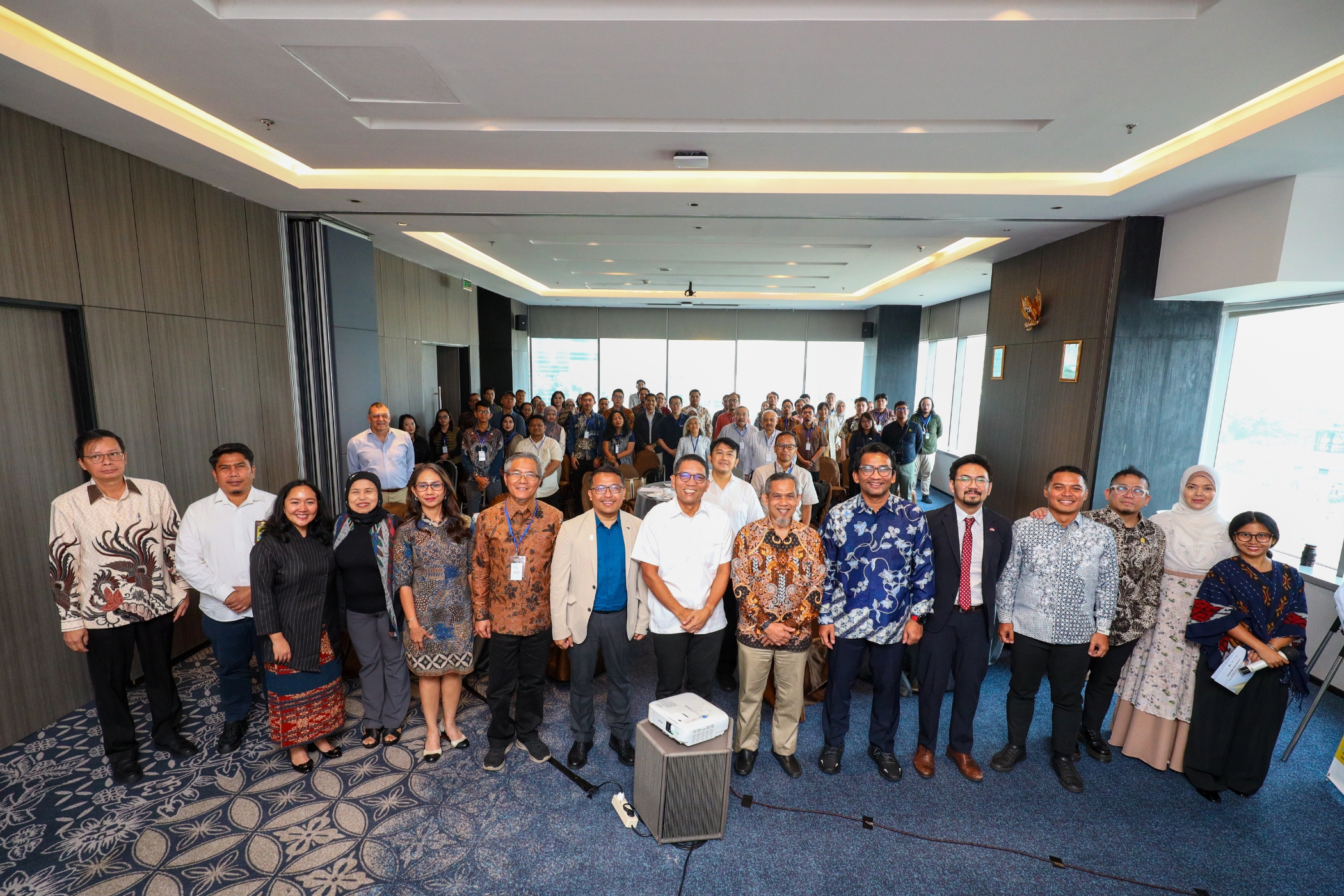
To strengthen renewable energy human resources, BPSDM ESDM, together with the Swiss Government through the State Secretariat for Economic Affairs SECO, implement the Renewable Energy Skills Development Project (RESD). Since starting in 2020, the program has produced more than 950 competent renewable energy graduates and technicians. In Phase 2 (2025–2028), RESD’s partnership coverage has been expanded to 19 polytechnics and vocational training institutions across Indonesia.
RESD Team Leader Dian Elvira Rosa emphasized that the sustainability of solar power utilization in the regions depends heavily on the capacity of local communities.
“Local communities should not just receive solar power infrastructure, they must be able to operate and maintain it independently,” explained Dian Elvira Rosa.
“This is the goal of our renewable energy specialization program and solar power technician training at 19 polytechnics and vocational training centers, supported by the Swiss and Indonesian governments through the RESD project.”
The Energy Talk serves as a strategic cross-sector meeting space to ensure that future renewable energy project procurement integrates local workforce empowerment to guarantee long-term system reliability.
The event featured speakers from government, industry, and civil society: Edi Wibowo (Head of PPSDM KEBTKE), Sugeng Hidayat (Vice President of Strategic Planning and Distribution Asset Management, PT PLN), Tri Mumpuni (Chair of IBEKA), I Made Sandika Dwiantara (President Director of PT Surya Energi Indotama), and Dian Elvira Rosa (RESD Team Leader). The event also featured Dadan Kusdiana (Secretary General of the National Energy Council), Rahmad Faisal (Head of BPVP Banda Aceh), and Milton Pakpahan (Advisory Board of the Renewable Energy Skills Center/PKET) as discussants.
Through this forum, BPSDM ESDM continues to strengthen collaboration with stakeholders in building competent, adaptive renewable energy HR ready to support the acceleration of the national energy transition.
*This publication is authored by and reflects the views and opinions of the Renewable Energy Skills Development Project (RESD). More information about RESD Project, please visit https://renewableenergy.id/renewable-energy-skills-development-resd-project/Project – Renewable Energy Indonesia