image_2

Building a Culture of Integrity with ABMS E-learning

image 2

This publication is authored by and reflects the views and opinions of PT Integrity Indonesia. More information about PT Integrity Indonesia is available at www.integrity-indonesia.com.


Bribery, particularly in the form of kickbacks remains a serious threat that undermines corporate integrity and damages institutional or organization reputation.

One recent case in Indonesia involved two senior officials at a state-owned banking institution who became suspects in the misuse of advertising funds through agency service procurement. In this scheme, the bank allocated a substantial advertising budget to several agencies, but a large portion of the funds was not used for actual media placements. Instead, the money was funneled back as kickbacks and served as unofficial internal funds.

Such practices are not confined to top executives. Similar patterns of corruption can also be found at the operational level in public services. In daily interactions with administrative offices, for instance, people often feel the need to offer cash bribes to expedite services.

Kickbacks, illicit payments made in exchange for securing business deals or favors are not limited to one industry or type of organization. They frequently occur across both public and private sectors. As seen in the earlier case, funds intended to support campaign activities were diverted for personal gain. Such practices not only disrupt fair business processes but also harm a broad range of stakeholders, including customers, partners, and the wider community.

Common barriers to effective Anti-Bribery programs

To address bribery risks effectively, raising awareness and fostering a culture of integrity across the organization is essential, not just through policies, but through ongoing education and engagement. A well-informed workforce is a company’s first line of defense against bribery and corruption.

According to the Thomson Reuters Risk & Compliance Survey Report 2023, organizations continue to face three major challenges in managing compliance risks. Two of the most significant are the lack of knowledgeable personnel and limited resources. These gaps not only hinder the implementation of Anti-Bribery Management Systems (ABMS) such as ISO 37001 but also affect the organization’s ability to respond swiftly to potential threats.

Without sufficient understanding and practical know-how among employees, even the most robust policies can fail to prevent misconduct. This highlights the need for scalable, accessible training solutions that can reach all levels of the organization, especially in environments with limited budgets or geographically dispersed teams.

A practical and scalable training solution

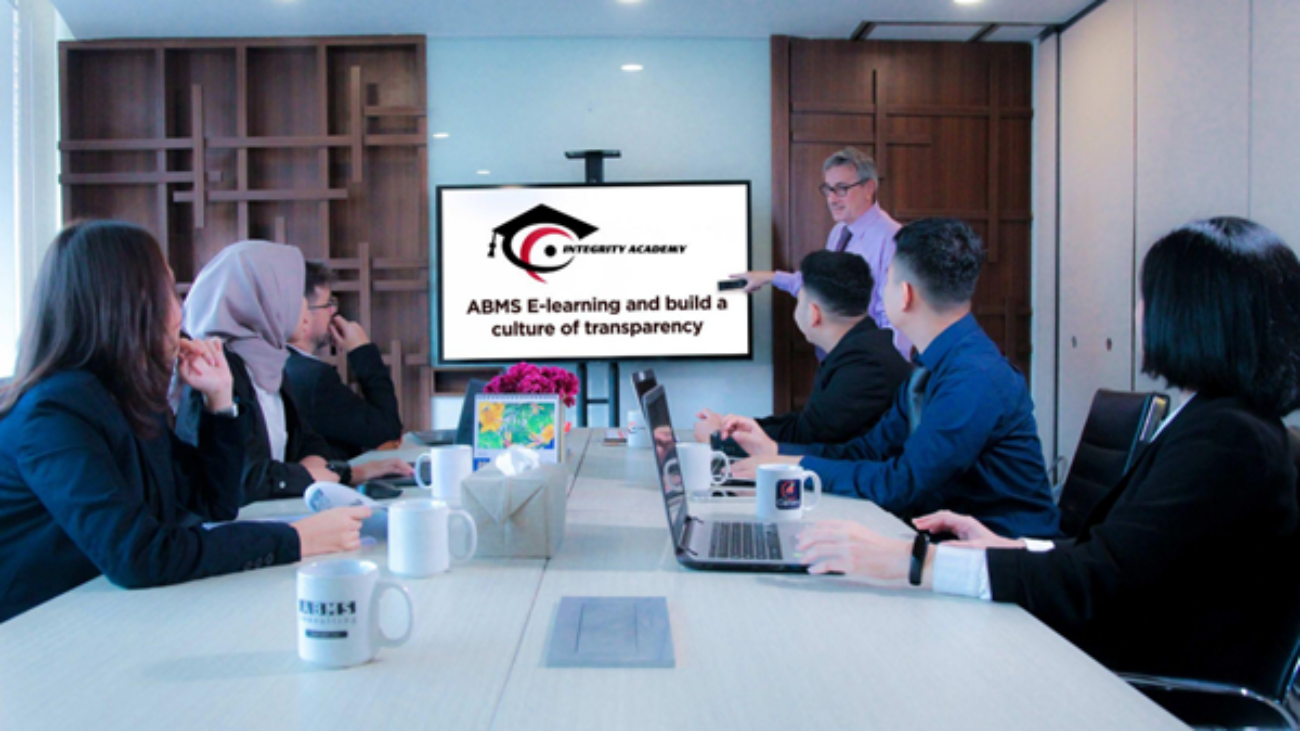
To overcome limitations in time, budget, and geographical reach, many organizations are turning to E-learning as a practical approach for ABMS training programs. E-learning offers a flexible and cost-effective way to equip employees at all levels with the essential knowledge to identify, prevent, and report bribery risks.

Integrity Indonesia has developed a comprehensive series of ABMS courses based on the ISO 37001:2016 standard, tailored to various levels of understanding, from introductory modules suitable for all employees to in-depth materials designed for implementers and internal auditors.

As an organization certified in ISO 37001, we not only offer structured learning but also share our firsthand experience in achieving certification. This includes practical insights into overcoming implementation challenges and fostering a culture of integrity across the organization.

Why companies should partner with Integrity Academy

With over two decades of proven experience in managing risks, uncovering misconduct, and promoting ethical business practices, we launched Integrity Academy to strengthen internal capabilities through structured learning. Initially developed to support internal training, such as New Employee Orientation, the service has now expanded to offer E-learning content for clients

Well-designed training programs such as the Anti-Bribery Management System course, offer several key features to deliver a more engaging and effective learning experience:

  • Interactive multimedia modules featuring real-world case studies, interactive quizzes, and gamified elements to reinforce understanding.
  • Flexible, self-paced learning accessible anytime and anywhere.
  • A user-friendly E-learning platform, equipped with analytics to track learner progress.
  • Automated certificates of completion.

Our service supports both off-the-shelf content for companies with their own E-learning platforms, as well as access through our platform, which can be custom-branded to reflect your company identity.

By investing in a trusted learning solution that helps organizations strengthen compliance, reduce risk, and embed a culture of integrity at every level.


Contact Person:

Daichi Taufan
Business Development Manager
E-mail :
daichi.taufan@integrity-asia.com
Telp.   : +62 817 4923 819

_FINAL1

KOLTIVA Digitally Validates Over 25,000 Coffee Producers Across Latin America to Advance Traceability and Sustainability in the Coffee Sector

Koltiva

This publication is authored by Koltiva and reflects its views and opinions. More information about Koltiva is available at www.koltiva.com.


  • Over 25,000 Latin American smallholder coffee producers across eight countries, including Colombia, Brazil, and Honduras are now digitally validated by Koltiva’s KoltiTrace platform, enabling them to build more resilient, traceable supply chain, and facilitate global sustainability standards adherence.
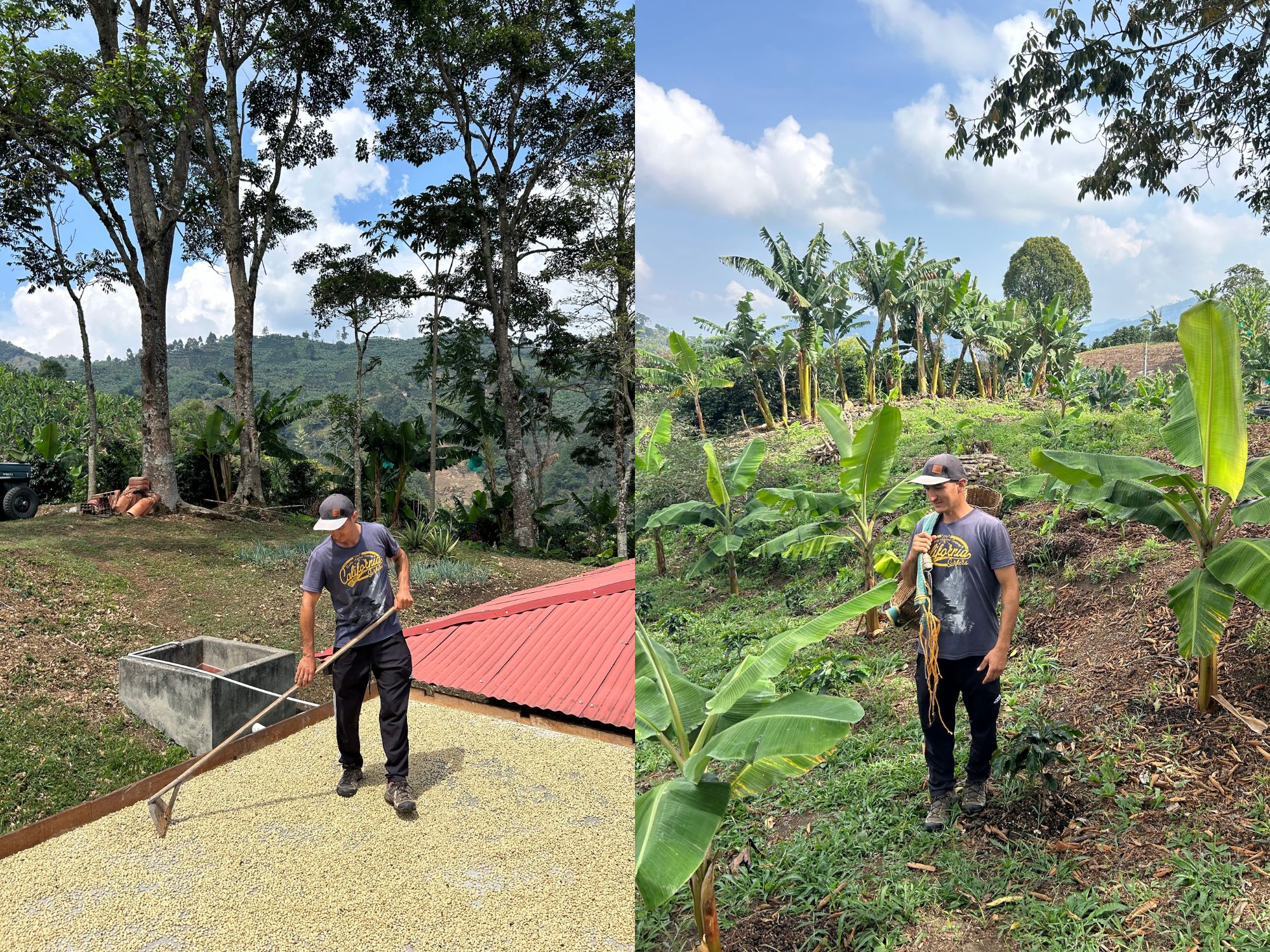
  • More than 80% of coffee is grown by smallholders on less than five hectares, often using traditional shade-grown methods that preserve biodiversity and improve soil retention (FAO, 2023). Koltiva supports these practices through digital tools like FarmXtension, FarmGate, and KoltiSkills—bringing and combining data driven decision making, agronomic training, environmental assessments, and real-time data to the field.
  • By combining traceability, producer empowerment, and regenerative agriculture, Koltiva is equipping Latin American coffee producers to navigate climate risks and thrive in high-demand, sustainability-conscious markets. The result is a transparent, inclusive coffee ecosystem from bean to cup.


Bogota, 16 April 2025 — Climate change is placing unprecedented pressure on coffee-growing regions around the world. In Latin America, erratic weather, prolonged droughts, and shifting ecological patterns threaten crop yields and producer livelihoods. In response, KOLTIVA, a Swiss-Indonesian AgriTech company, is accelerating the digital transformation of coffee supply chains through its traceability platform, KoltiTrace.

To date, over 25,274 coffee producers across eight Latin American countries, including Costa Rica, Mexico, Brazil, Honduras, Nicaragua, Peru, Guatemala, and Colombia, have been digitally validated using KoltiTrace. These efforts are a part of the initiatives to build scalable, transparent, and inclusive sustainability solutions that are deeply rooted in the realities of farming communities. This will enable the producers and businesses to secure a long-term supply of high-quality coffee, enhancing producers’ livelihoods and community well-being, and safeguarding the environment. 

“Sustainability begins with visibility,” said Silvan Ziegler, Senior Head of Markets America at KOLTIVA. “KoltiTrace is more than a digital tool—it’s a data-driven transformation that empowers producers, agronomists, and companies to make informed, impactful decisions.”

Digital Tools Empowering Producers and Agronomists

Koltiva

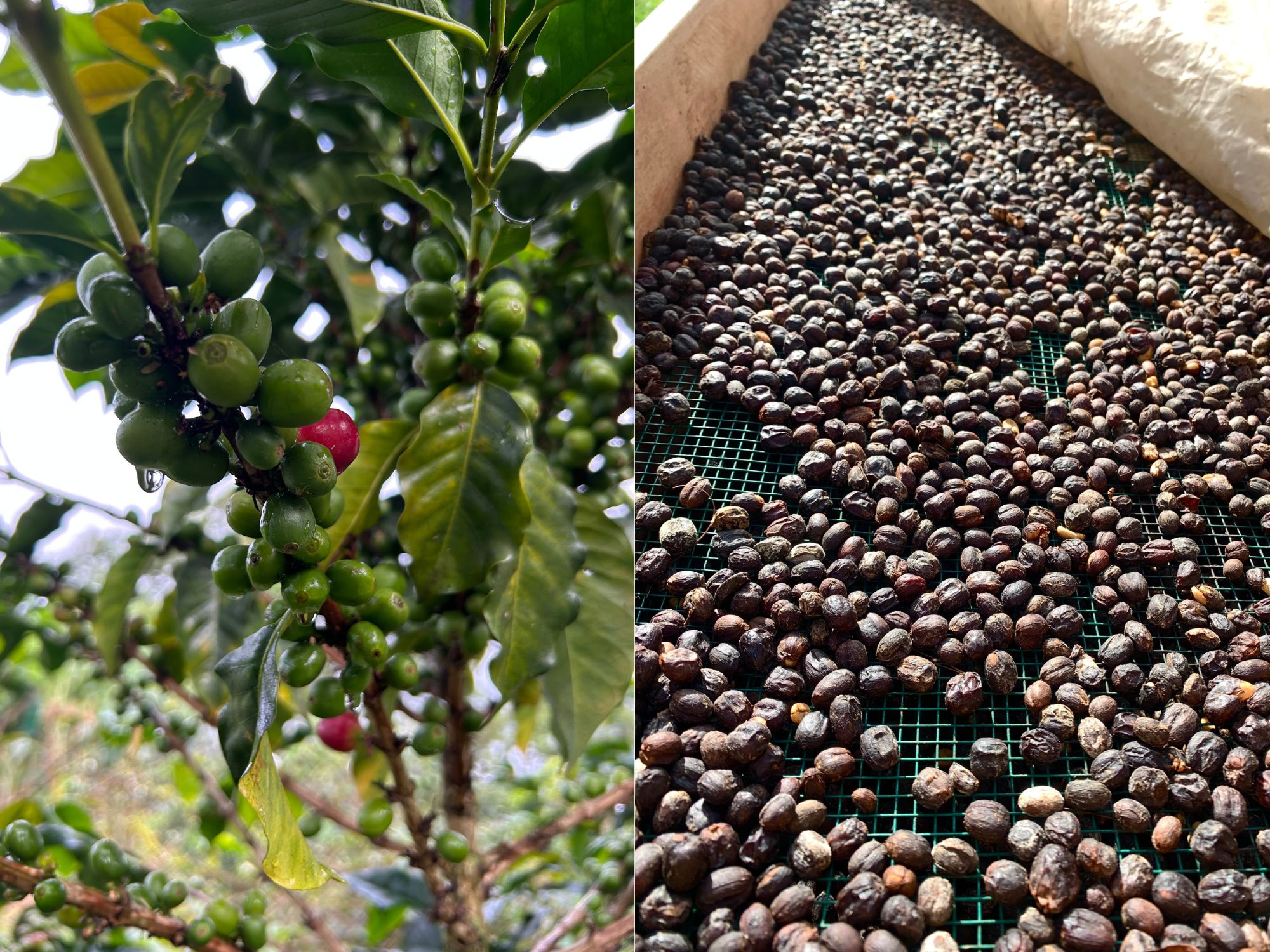
Advanced technology, such as one incorporated in KoltiTrace, enables end-to-end supply chain traceability through real-time data collection, geospatial farm mapping, validation of sustainability indicators, and automated compliance tracking. With embedded tools like FarmXtension, FarmGate, and FarmCloud, KOLTIVA equips agronomists and producers with the digital resources they need to monitor farm practices, assess environmental and social impacts, and access personalized insights.

Through integrated digital and field-based services, it could assist producers on:

  • Data collection and validation on producer practices, environmental performance, and social criteria.
  • Verification of regenerative farming practices
  • Compliance with sustainability and certification standards
  • Gender equality and inclusive participation
  • Accurate and timely monitoring of productivity and risks

These efforts are essential to building resilient, ethical coffee supply chains that can withstand climate and regulatory disruptions. It will be crucial to the coffee sector where more than 80% of the crop is produced by smallholder producers cultivating less than five hectares of land—often in steep, mountainous areas where traditional shade-grown methods prevail (FAO, 2023).

KOLTIVA supports these agroecological transitions by equipping producers with digital tools to map their farms, record on-farm practices, and assess environmental impact in real-time. By bridging traditional knowledge with precision agriculture, KOLTIVA is helping transform sustainability from aspiration to measurable progress across Latin America.

Supporting Local Farming Communities

Koltiva

By digitizing and validating thousands of smallholder coffee producers, KOLTIVA provides visibility into the often-informal agricultural landscape. This visibility opens up opportunities for producers to participate in sustainable markets, access agronomic support, and improve their income potential.

“We are learning how to use digital tools to make decisions based on data. That makes a big difference in how we manage the farm,” said one of the participating coffee producers in Colombia. “The support we receive through the program helps us grow better coffee and take care of our land.”

KOLTIVA complements its traceability platform with KoltiSkills, offering technical assistance and training in regenerative agriculture, polygon mapping for deforestation risk assessments, and hands-on support to farmers navigating sustainability standards.

“By carefully adapting our technology solutions to the specific needs of the producers, we’re not only ensuring traceability and compliance but also enhancing productivity through data-driven insights. Our goal is to equip producers with the tools to optimize their practices and achieve long-term sustainability in every aspect of their operations”, Angie Quintero added, Project Manager KOLTIVA working on several projects in Latin America. 

Shaping a Transparent and Equitable Future for Coffee

Koltiva

By embedding traceability at the core of supply chain systems, KOLTIVA enables companies to deliver on their environmental and social goals while empowering farmers at origin.

“This milestone underscores our belief that visibility and collaboration are the cornerstones of meaningful sustainability,” said Ziegler. “Through KoltiTrace, we’re not just tracking coffee—we’re building stronger connections between producers, buyers, and consumers.”

As coffee producers face intensifying climate risks, KOLTIVA’s traceability solutions stand as a powerful ally—strengthening the sector’s capacity to adapt, thrive, and grow responsibly.


===


About KOLTIVA

Offering human-centered technology and boots-on-the-ground solutions that digitize agribusinesses and help smallholder producers transition to sustainable practices and traceable sourcing, KOLTIVA is recognized as the leading global sustainable agriculture and supply chain traceability company. As a global technology provider, it constructs ethical, transparent, and sustainable supply chains, assisting enterprises in fortifying their resilience and transparency. The company helps businesses and their suppliers comply with ever-changing regulations and consumer demands worldwide with traceability solutions. Operating in more than 66 countries and fortified by a network of customer support offices in 20 countries, KOLTIVA is committed to supporting over 17,900 enterprises in establishing transparent and robust supply chains while empowering over 1,810,000 producers to increase their annual income. www.koltiva.com


Press contacts

Daniel Prasetyo

Head of Public Relations and Corporate Communications

+62 8111 671 919 

daniel.prasetyo@KOLTIVA.com

image-20250423132433-1


image-20250408112517-1

A space program that never leaves Earth

image-20250408112517-1

This publication is authored by and reflects the views and opinions of PT SKF Industrial Indonesia. More information about SKF is available at www.skf.com.


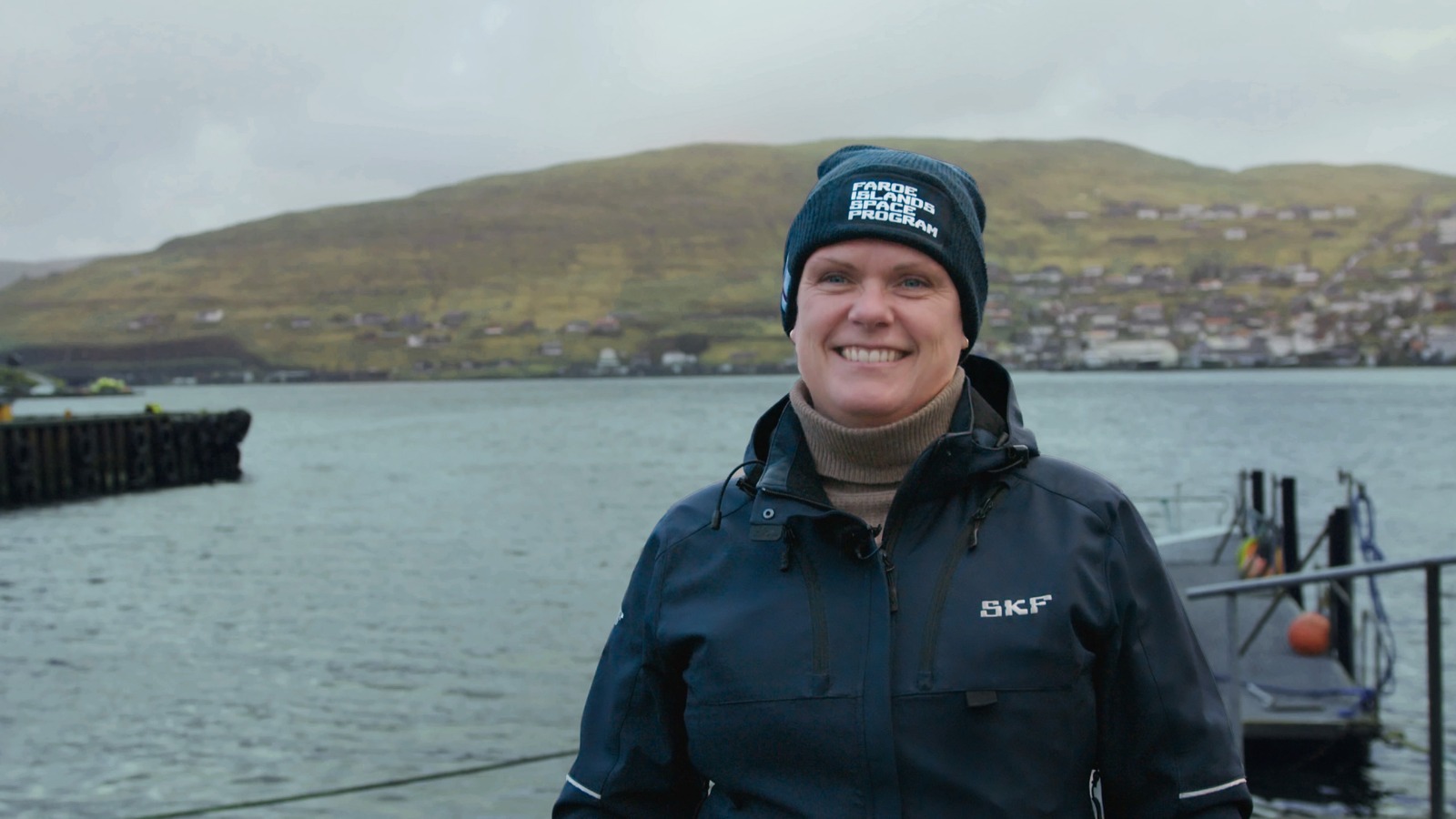
Gothenburg, 27 March 2025: While others race to the moon and back, the Faroe Islands space program takes a bold new step in space exploration—without ever leaving Earth. One of the largest bearing manufacturers SKF, and ocean energy developer Minesto are launching a space program to harness the Moon’s energy by leveraging the power of the tides. This space program aims to utilize the resources we already have right here on Earth.

image-20250408112644-2

“Imagine a future powered by the tides of the Moon. This unique project dares to dream big and is exploring the potential of renewable tidal energy. At SKF we are proud to be a part of this down-to-earth project that aligns with our values and our ambition to create a more sustainable world,” says Annika Ölme, CTO & SVP, Technology Development, SKF.

image-20250408113055-3

Over the past year, SKF and Minesto have been pioneering tidal energy using tidal kites in the Atlantic Sea outside the Faroe Islands. The mission is to harness the Moon’s power for predictable and renewable energy. After its successful launch into the ocean, the tidal kite called LUNA is flying underwater, invisibly and silently harvesting energy from the Moon – no matter the weather. Today, only a few of the countries with favorable tidal current conditions are beginning to utilize the full potential of moon generated energy – the most predictable renewable energy source on the globe.

“For us, as a tech development company to work with a global industrial company such as SKF is both a learning experience and an inspiration,” says Martin Edlund, CEO of Minesto. “We estimate there are at least 3000 more “Faroe Islands” out there qualifying for our space program – if they all join, moon energy could replace all coal power capacity currently under development globally.”

The established tidal energy facility – a moon energy base – will kick off the Faroe Islands Space Program, firmly grounded on Earth. The kite Luna has a rated power of 1.2 MW, enough to power 200 villas with electricity for one year. The next goal is to implement a new 200 MW tidal energy facility. This could meet 40% of the expected electricity needs in 2030, providing green electricity to the small, remote island nation’s 50,000 people and 70,000 sheep. Unlocking the power of the tides is a joint work together with power company Sev:

“Our vision is to reach 100% renewable electricity generation by 2030 and we believe that tidal power may prove to become a vital part of this journey,” says Hákun Djurhuus, CEO of the Faroese electricity company Sev.

image-20250408113131-4

SKF was brought on board to design the bearing and sealing systems for the rudders and elevators of the kites. The SKF software system calculates, for example, bearing rating life and estimates CO2 emissions, which makes it possible to compare different solutions not only from a technical perspective but also from a sustainability point of view.

“Collaboration across industries is essential for progress. Together with Minesto, we are demonstrating how technology and innovation can drive the transition to renewable energy,” says Annika Ölme, CTO & SVP, Technology Development, SKF.

By framing it as a space program (that never leaves earth), the partners aim to emphasize the importance of exploring how we can harness the Moon’s energy to generate renewable energy through tidal forces—amidst a new space race where many are discussing the potential of extracting resources from space and other planets.


Short facts tidal and ocean energy:

  • According to the International Energy Agency, 80 % of global electricity currently comes from fossil fuels.
  • By 2050, ocean energy could potentially provide a substantial portion of the energy mix. Ocean energy is local, renewable and tides are predictable, which makes it the perfect partner to more established renewables like wind and solar.
  • Ocean energy Europe estimates that ocean energy can provide 10% of Europe’s electricity and create 400.000 skilled jobs by 2050.


Source:

World Energy Outlook 2024 

Ocean energy – European Commission

Minesto | Ocean energy

Dashboard – Global Energy Monitor  “610 GW Coal Power Capacity Under Development”


Learn more about the Faroe Islands Space Program :  https://www.skf.com/id/fighting-friction/01


For further information, please contact:


Press Relations: Santika
Santika.amelia@skf.com


Disclaimers

The mission of the Faroe Islands energy company SEV, to reach 100% renewable energy by 2030, is not indicative of the displayed product’s full supply chain impact.

Calculated on an example villa with an energy consumption of 17.000 kWh/year. For average consumption data, please refer to country- specific sources such as Vattenfall


Aktiebolaget SKF

      (publ)


Since 1907, SKF has been making some of the world’s most innovative bearings, seals, lubrication systems, condition monitoring solutions, and services to reduce friction. Less friction means more energy saved and by reducing it, we make industry smarter, more competitive, and more energy efficient, building a more sustainable future where we can all do more with less. SKF is represented in approximately 130 countries and has around 17,000 distributor locations worldwide. Annual sales in 2024 were SEK 98,722 million and the number of employees was 38,743. www.skf.com

® SKF is a registered trademark of the SKF Group.


Skf-new

SKF launches updated brand to increase stakeholder value

SKF

This publication is authored by and reflects the views and opinions of PT SKF Industrial Indonesia. More information about SKF is available at www.skf.com.


Gothenburg, 5 March 2025: For over 100 years, SKF is recognized as a leader in products and solutions that reduce friction. Now, the company is stepping up its efforts, not just reducing friction but actively fighting it to move the world forward. The aim is to make industry smarter, more competitive, and more energy-efficient, ultimately contributing to a more sustainable society where more can be done with less.

To align the brand with today’s offering and values, SKF is making subtle but significant changes to its brand. The updated brand reflects the business SKF has become, helping the Group to further stand out in the industry, attract more customers, and drive profitable growth.

SKF

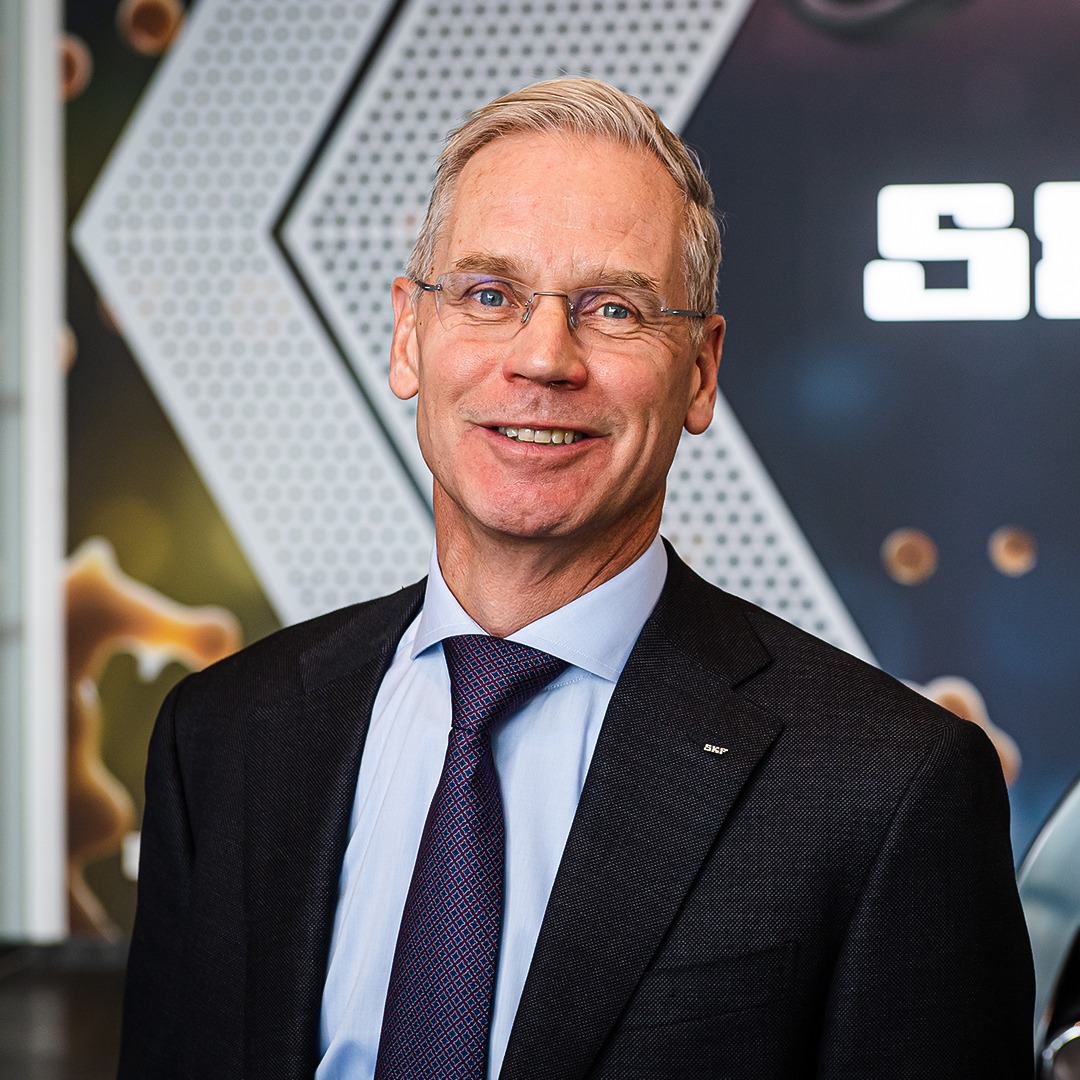
“Our brand is the accumulation of everything we do – innovations, values, people, reputation, communication and our desired future state. From a business perspective, we are building favourability among current and potential customers, employees, investors, partners, and beyond. It is a way of earning our place in the world while staying true to our values and purpose,” says Rickard Gustafson, President and CEO.

The new brand strategy builds on SKF’s historical, current, and future strengths, refining communication to tell a bigger story. This new direction aims to bridge the gap between SKF’s extensive impact on the world and public perception, which means highlighting the Group’s commitment to innovation, sustainability, and industry leadership.

“Only a few companies in the world can reduce friction like SKF. Wherever there is rotation, we show up – from bicycles to high-speed trains, from paper mills to washing machines. A fantastic position to have, but also an inspiring story still to be told. We have been fighting friction since 1907 and today it is more relevant than ever before”, says Per Nilsson, Director Communication.

SKF

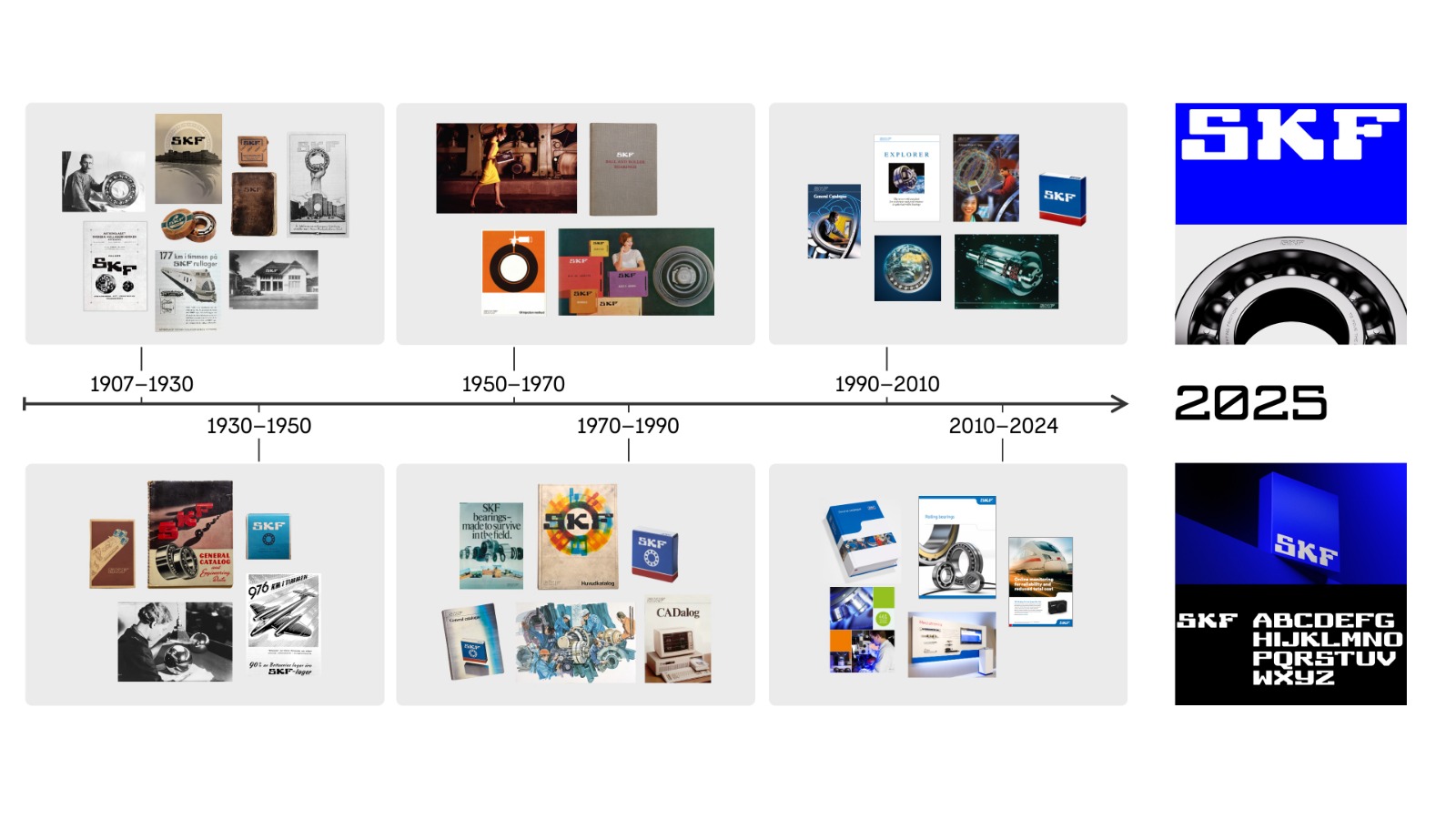
The refreshed brand identity is bolder and more modern, yet unmistakably SKF. It includes a subtly redesigned logo, a fresher blue, a new typeface, and more distinctive photography. As part of the update, SKF will also provide better marketing support for distributors, including a redesigned distributor identity that is simpler, more consistent, and easier to recognize.

“Through almost 120 years of innovation, we’ve developed products and solutions that reduce friction. Now we’re stepping that up. Not just reducing friction but actively fighting friction to move the world forward and telling the story about the difference we make,” says Rickard Gustafson, President and CEO.

Facts
These updates will be rolled out over the coming year across new marketing and communications materials, a refreshed website, and other digital channels. The logotype and other assets with the new brand identity could be found brandhub.skf.com

We’re fighting friction to move the world forward – SKF
Explore the reinforced SKF brand

For further information, please contact:
Press Relations: Karin Markhede, +46 70 758 87 30; karin.markhede@skf.com

image-20250307185635-1

Navigating parallel trading: lesson learned from Indonesia’s black market phones

image-20250307185635-1

This publication is authored by and reflects the views and opinions of PT Integrity Indonesia. More information about PT Integrity Indonesia is available at www.integrity-indonesia.com.


Typically, the import and export of genuine products require permission from the brand owner. This permission is usually granted to licensed distributors. This process is crucial for maintaining brand integrity, pricing, and ensuring that the products sold meet the quality standards set by the brand owner.

Parallel trading occurs when the import and export of genuine products do not go through official channels. This phenomenon has surged dramatically with the burgeoning growth of e-commerce, social media, and digital influencers facilitating consumer access to these products. For brands, parallel trading has both positive and negative impacts.

Parallel trading becomes an issue when it involves contract violations. For instance, the destination country for imports should be an exclusive sales territory for a specific license holder, not the importer. Suppose a brand owner has an exclusive distributor in Germany, Company ABCD. If an importing company, EFGH, in the same country sells products under that brand through e-commerce without the brand owner’s permission, its actions violate contractual agreements and constitute a breach of contract. While the products may be genuine, this remains a civil matter rather than a criminal offense.

Parallel trading also becomes a problem if the products entering the country do not comply with the import regulations set by that country, such as illegally imported mobile phones.


Black Market Phones in Indonesia

A few years ago, Indonesia faced significant challenges related to the parallel trading of mobile phones. Many phones were illegally imported without following proper procedures. Indonesian consumers referred to these as ‘HP BM’, an abbreviation for ‘handphone black market ‘. At that time, Indonesia was estimated to lose 2 trillion rupiah in potential value-added tax each year from illegally imported phones.

According to the Indonesian Mobile Phone Association (APSI) in a press release dated July 8, 2019, approximately 20 percent of the mobile phones circulating in Indonesia entered the country through the black market. If 45 million units of mobile phones were sold in Indonesia in a year, it meant around 9 million of them were illegally imported.

It was common knowledge that many of these phones entered through Batam, as a Free Trade Zone. The prices of imported phones in Batam could be much cheaper compared to other regions in Indonesia because they were not subject to certain taxes such as VAT or import duties

These phones were genuine products from a brand; however, they didn’t have warranties, often had different accessories—such as chargers and manuals—compared to the officially sold branded phones, and often faced software compatibility issues.

Consumers were usually tempted to buy these phones due to their lower prices compared to officially sold phones, often unaware of these shortcomings. However, there were also consumers who specifically sought certain models that were not available in the domestic official market. Besides potentially harming consumers, black market phones also negatively impacted the local industry and reduced state tax revenue.

From the brand’s perspective, problematic parallel trading can lead to brand image erosion, loss of price control, and ultimately disrupt relationships with official distributors.

To address the issue of parallel mobile phone trading, in 2020 the government issued regulations requiring the registration of International Mobile Equipment Identity (IMEI) for all mobile phones entering Indonesia. Phones that were not registered would not be able to use cellular services.

The registration process was conducted through cellular operators and aimed to ensure that all devices used in Indonesia are legal. The IMEI registration system was also equipped with monitoring technology that allowed the government to track unregistered phones.


Impact of IMEI Regulation Implementation

The IMEI registration initiative has shown positive results. As reported by Antara, Mulyadi, the Director of Device Standardization at the Directorate General of Resources and Postal and Informatics Devices (SDPPI) of the Ministry of Communication and Information, stated that based on information from the Directorate General of Customs and Excise of the Ministry of Finance, the implementation of this regulation has positively impacted state revenue, with an increase in Non-Tax State Revenue (PNBP) from mobile device importers of approximately Rp2 trillion.

Although there are still challenges in implementation, such as the need to raise public awareness about the importance of IMEI registration, this step is significant toward a healthier mobile phone market in Indonesia. In this regard, the government needs to continue raising awareness and educating the public about the risks of purchasing illegal imported phones and the benefits of buying registered products.

Many more sectors in Indonesia, including automobiles, home electronics, medicines, cosmetics, and other consumer goods sectors, also demand comparable focus. Through laws, a comparable registration and monitoring system applied in other sectors, the government can establish a more fair and open market.


Efforts from Brand Owners

Combating illegal imported products also requires proactive measures from brand owners themselves. They need to understand and take strategic steps to manage the risks of parallel trading. Several efforts can be made:

  • Market monitoring. Proactively monitor the market to identify products being sold through parallel channels and implement necessary actions. This can be achieved through comprehensive online surveillance, utilizing search engines, social media platforms, and e-commerce sites.
  • Parallel trade investigation. Brand owners must initiate investigations when monitoring uncovers signs of illegally imported products. In today’s digital landscape, a significant number of illegal imported products are sold through online platforms. As a result, investigations should begin with online inquiries and progress to field investigations, including cross-border efforts, to identify the sources of these illicit products. Given the complexities involved in such investigations, brand owners are strongly encouraged to partner with experts who specialize in parallel trade investigations.
  • Consumer Education. Brand owners can collaborate with retailers to raise consumer awareness about the risks of purchasing illegally imported products and the benefits of buying registered products through digital platforms.

By working together, the government, industry, brand owners, and consumers can help reduce the availability of products sold outside authorized channels, creating a healthier and more sustainable business environment

image-20250120091305-1

Schindler Contributes to Indonesia’s Public Transportation Growth

This publication is authored by and reflects the views and opinions of PT Clariant Indonesia More information about Schindler is available at www.schindler.co.id/.

Indonesia, with its growing urban centers, faces unique transportation challenges. The increasing demand for modern, efficient public transit is driven by urban population growth, traffic congestion, and a commitment to reducing carbon emissions. In response, the Indonesian government has launched ambitious projects to modernize its infrastructure, including the expansion of mass rapid transit (MRT) and light rail transit (LRT).

These projects reflect the nation’s commitment to creating efficient and accessible transportation networks that meet the needs of a growing urban population. 

image-20250120091305-1

Illustration picture: LRT Jakarta


As one of the world’s leading providers of elevators and escalators, Schindler has emerged as a trusted partner in these projects, bringing cutting-edge technology, global expertise, and a commitment to quality that aligns with Indonesia’s vision for modernized public transportation.

Schindler has been instrumental in equipping Jakarta’s MRT and LRT systems, the first of its kind in Indonesia, with reliable escalators and elevators. These systems are designed to ensure smooth passenger flow, accessibility for individuals with mobility challenges, and minimal energy consumption.  

Schindler’s elevators and escalators at Jakarta’s MRT and LRT stations are engineered to handle high passenger volumes while adhering to stringent safety and durability standards. By integrating advanced technologies such as predictive maintenance and energy-efficient features, Schindler ensures that the MRT operates seamlessly, providing commuters with a reliable and comfortable experience.

image-20250120091305-2

Illustration picture: MRT Jakarta


At Tanah Abang Train Station, one of the busiest transit hubs in Jakarta, the focus was to ensure mobility solutions that could handle high passenger volumes during peak hours. Schindler’s escalators and elevators facilitate quick and safe movement of passengers within stations, enhancing operational efficiency and user satisfaction.

By incorporating features like regenerative drives, which feed energy back into the grid during operation, Schindler’s systems align with Indonesia’s sustainability goals. These technologies not only reduce energy consumption but also contribute to long-term cost savings for transit operators. 

Advancements in technology are also shaping the future of public transportation in Indonesia. Schindler’s digital innovations, such as the ‘Schindler Ahead’ platform and the Technical Operation Center (TOC), are shaping the future of mobility in Indonesia. These tools enable real-time system monitoring, proactive maintenance, and over-the-air updates, ensuring minimal downtime and optimal performance. Such advancements are particularly crucial as public transportation operators strive to meet the increasing demands of a growing urban population. 

image-20250120091305-3

Illustration picture: Schindler TOC


Sam Wong, President Director of Schindler Indonesia, shared his perspective on the company’s involvement: “Supporting projects like the LRT, MRT, and Tanah Abang Train Station has been a meaningful way to contribute to Indonesia’s urban mobility goals. These initiatives are about more than infrastructure—they’re about improving the daily lives of commuters and fostering a more connected community.” 

As Indonesia continues to expand its public transportation network, Schindler remains a critical partner in this journey. The company’s expertise in delivering customized, high-quality mobility solutions positions it as a leader in supporting the nation’s urban development goals. 

Schindler’s involvement in Indonesia’s public transportation sector underscores the importance of global expertise in addressing local challenges. By contributing to key projects like the MRT, LRT and Tanah Abang Train Station, Schindler has helped transform the nation’s mobility landscape, enabling millions of Indonesians to travel safely and efficiently. As Indonesia continues its journey of modernization, Schindler’s commitment to innovation and sustainability ensures that it will remain a vital partner in the country’s development story.

POST EVENT: Offline  - 1

Clariant Announces Inauguration of New Feed Additives Production Facility in Indonesia

Clariant

This publication is authored by and reflects the views and opinions of PT Clariant Indonesia More information about Clariant is available at www.clariant.com.

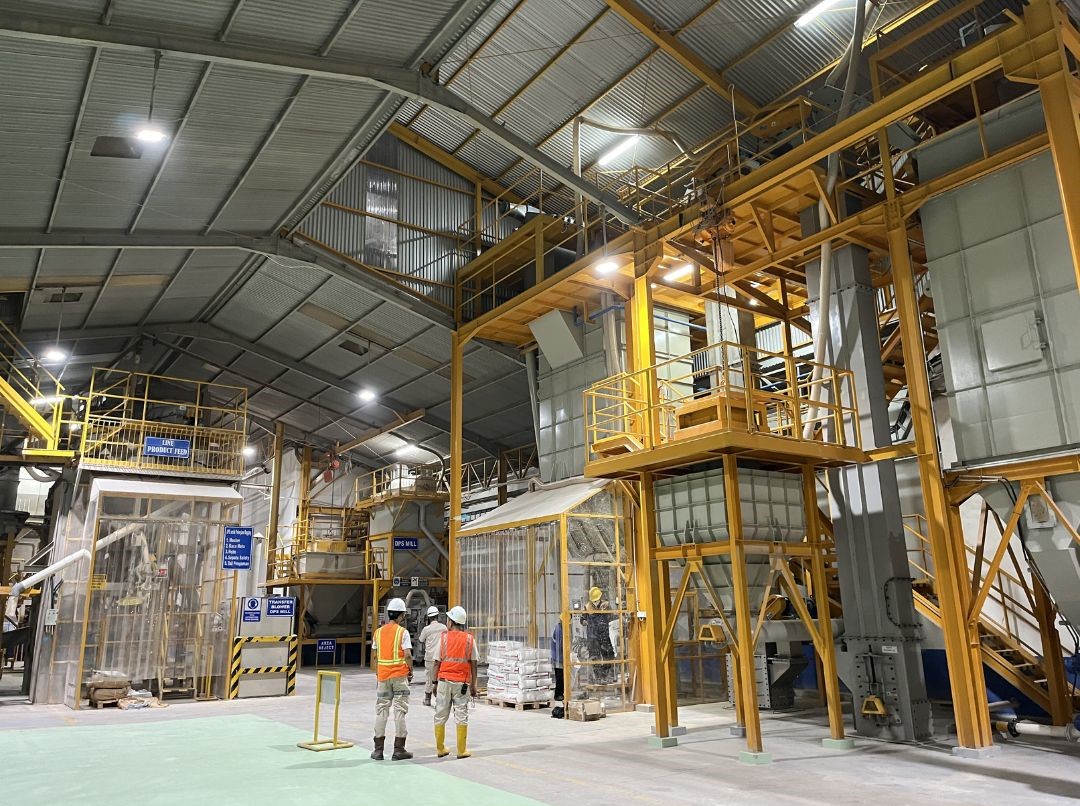
  • New feed additives production facility at Clariant’s Cileungsi plant will use Indonesian native clay starting October 2024
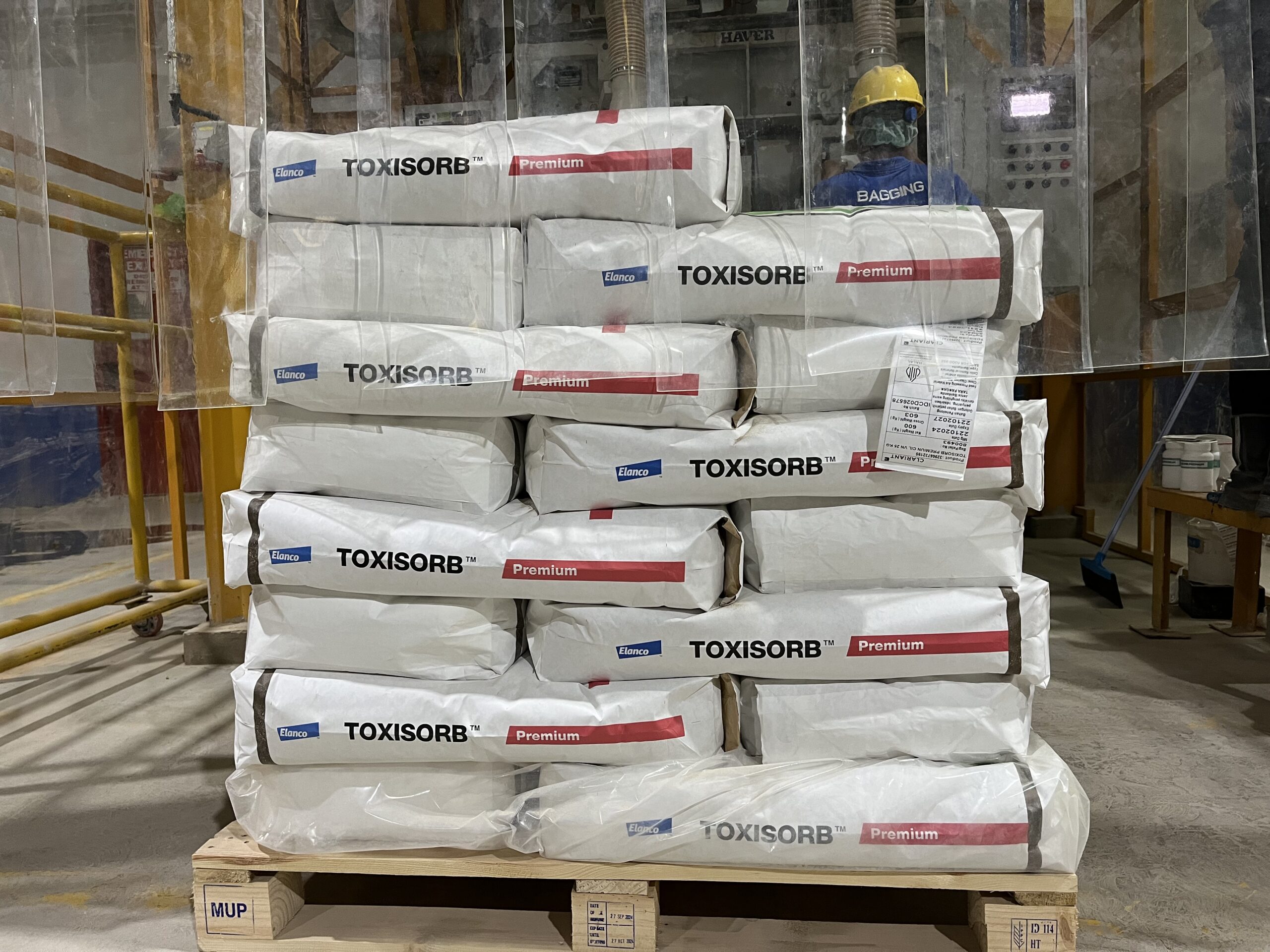
  • Clariant’s toxin binder and feed additive products such as Toxisorb™ and Terrana™ effectively absorb both polar and non-polar mycotoxins, significantly improving livestock health and productivity
  • This new production facility supports the United Nations Sustainable Development Goals to eliminate hunger and promote Good Health and Well-being by promoting animal health and food safety

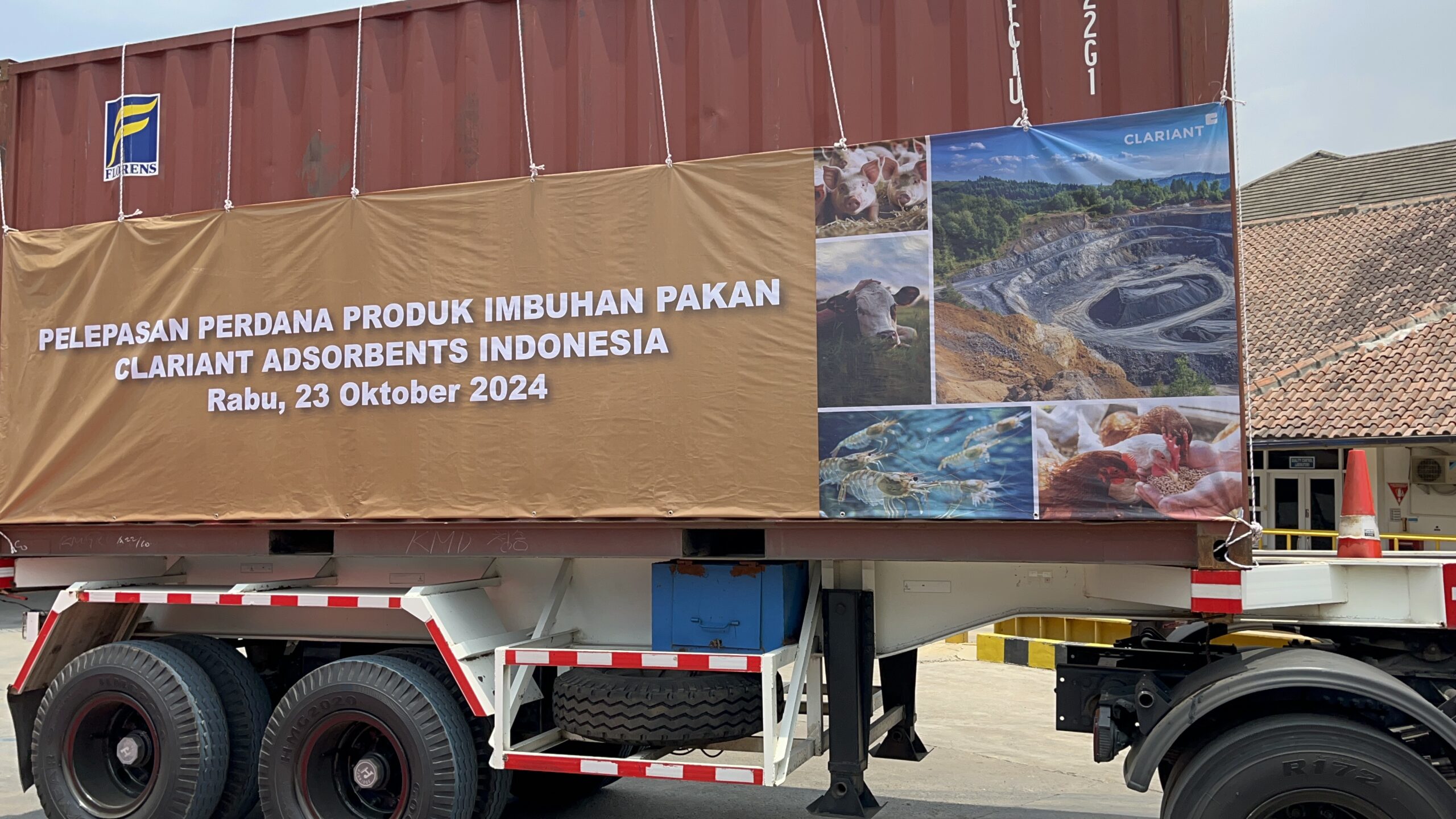
INDONESIA, OKTOBER 23, 2024
Clariant is ready to enhance the livestock industry in the Asia Pacific region with the establishment of a new feed additives production facility at its plant in Cileungsi. Starting October 2024, Toxisorb™ products, previously produced in Germany, will now be manufactured in Indonesia. Besides Toxisorb™, Clariant also produces the Terrana™ series using Indonesian native clay. This strategic decision aligns with Clariant’s commitment to participate in realizing food security and providing better service to customers in the Asia Pacific Region.

Clariant

The livestock industry faces significant challenges with mycotoxins, which can cause economic losses due to decreased productivity, including weight loss, reproductive issues, and even animal mortality. Clariant’s Toxisorb™ and Terrana™ products are known to effectively bind both polar and non-polar mycotoxins, helping to improve animal health and increase farmers’ income.

Clariant

This initiative not only responds to challenges in the livestock sector but also aligns with the United Nations Sustainable Development Goals (UNSDG) for Zero Hunger. By improving animal health and food safety, Clariant contributes to increasing the availability of affordable protein sources, such as eggs and chicken, especially in developing countries.

Clariant

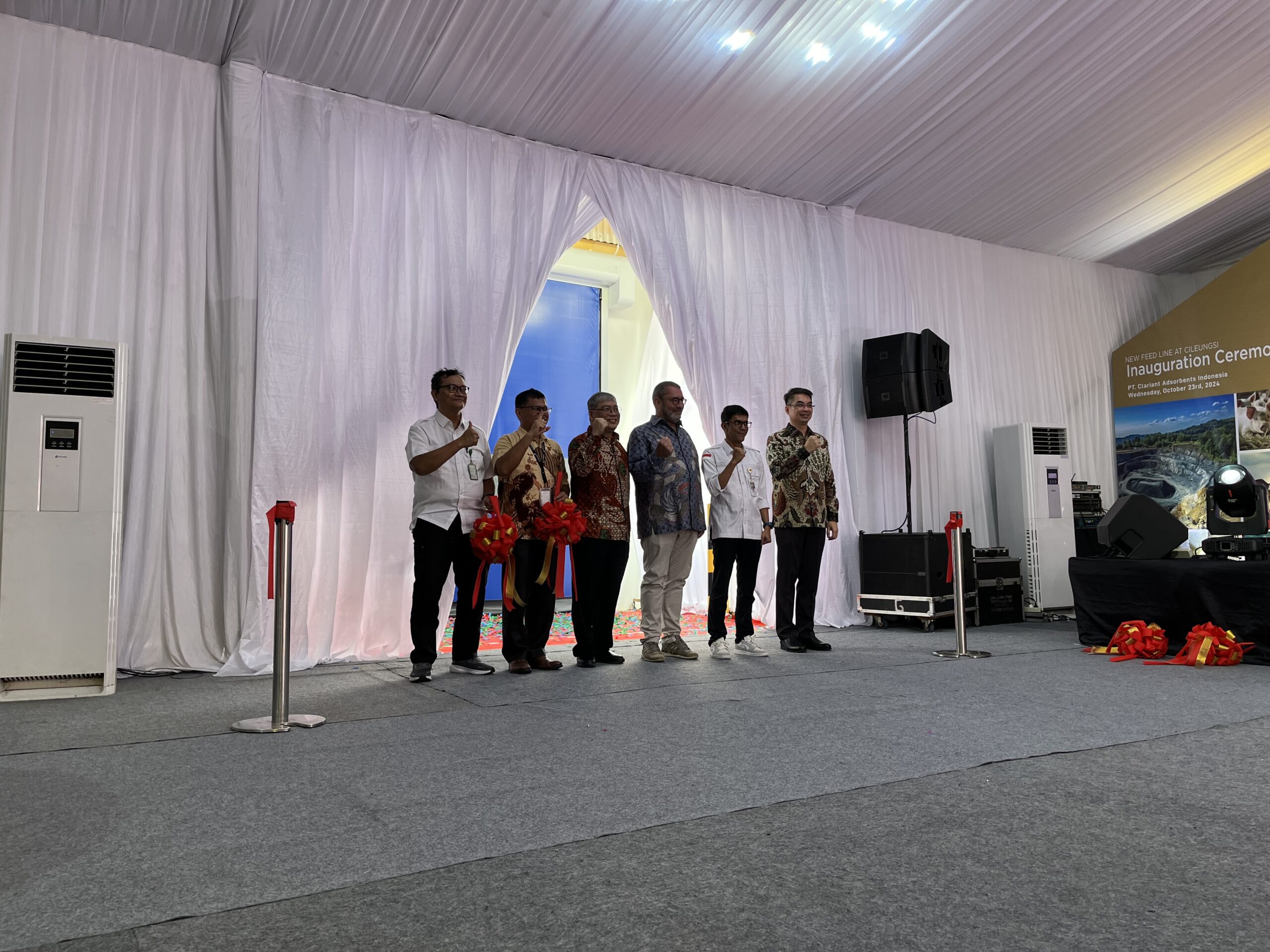
“We are very excited about the opening of Clariant’s new feed additives production facility at our Cileungsi plant. This high-technology facility enables us to provide innovative and valuable solutions to the livestock industry and play a key role across the supply chain for the Asia Pacific market,” said Pandu Wibowo, President Director of Clariant Indonesia.

Clariant

Clariant products such as Toxisorb™ Classic and Toxisorb™ Premium, Terrana™ 312, Terrana™ 313, and Terrana™ 317 are available to our customers through distributors. We also provide clay raw materials as toxin binders, ammonia binders, vibrio binders, drying powder for piglets, and for addressing wet dropping, directly to our customers, feedmillers, or through distributors in Clariant’s network in Asia Pacific.


PXL_20241105_035140816

Clariant Brings Innovative Ingredients for Minimalist Beauty to the In-Cosmetics Asia Show

Clariant

This publication is authored by and reflects the views and opinions of PT Clariant Indonesia More information about Clariant is available at www.clariant.com.


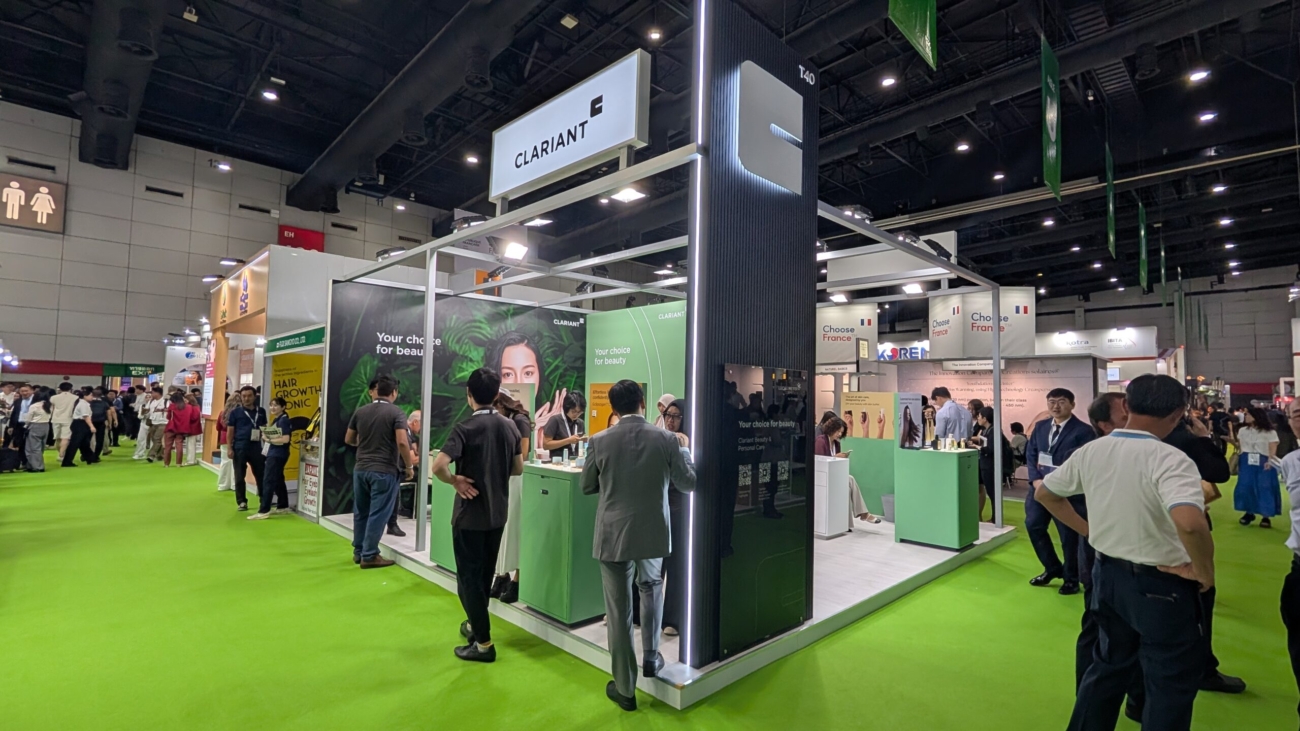
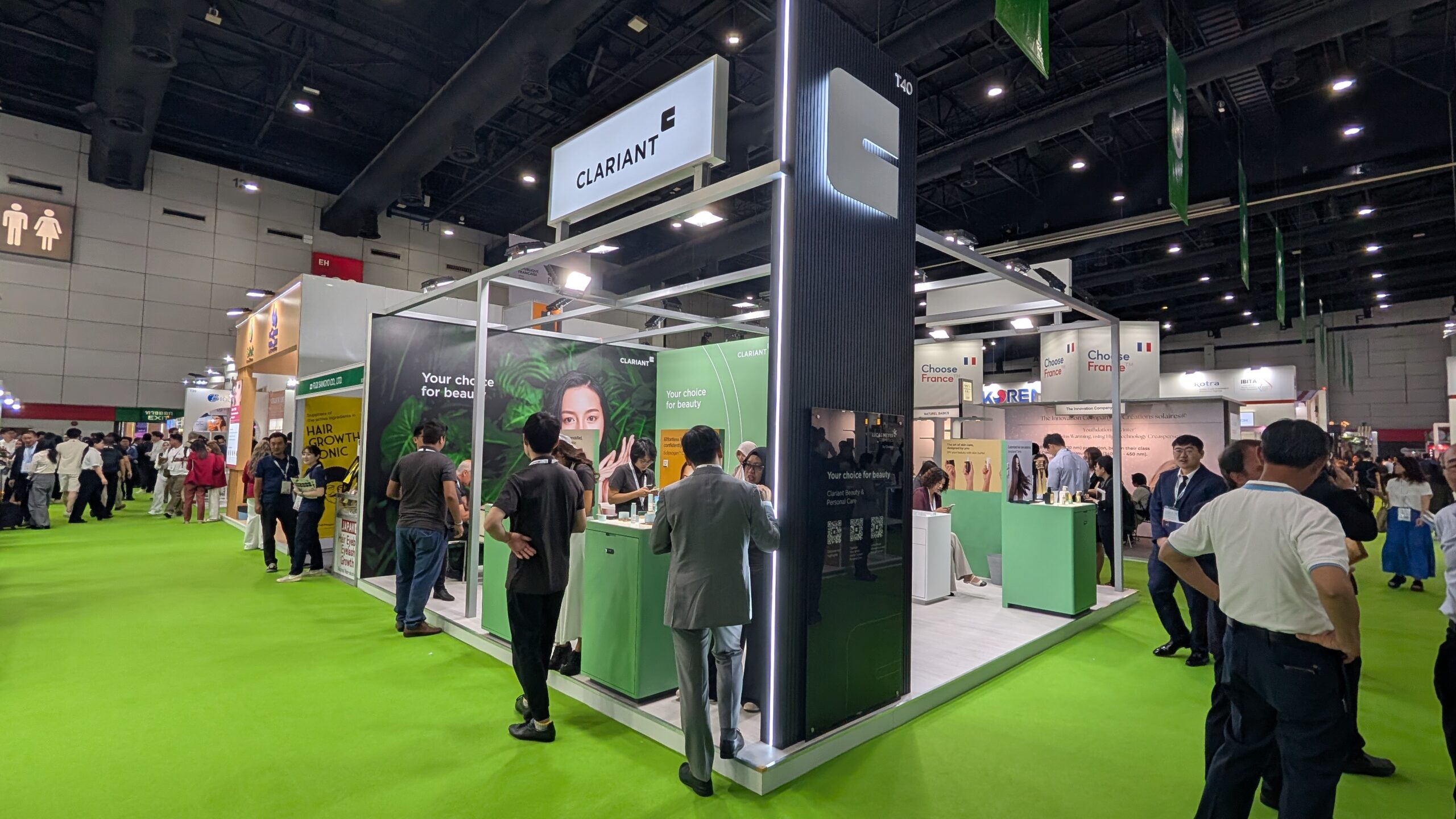
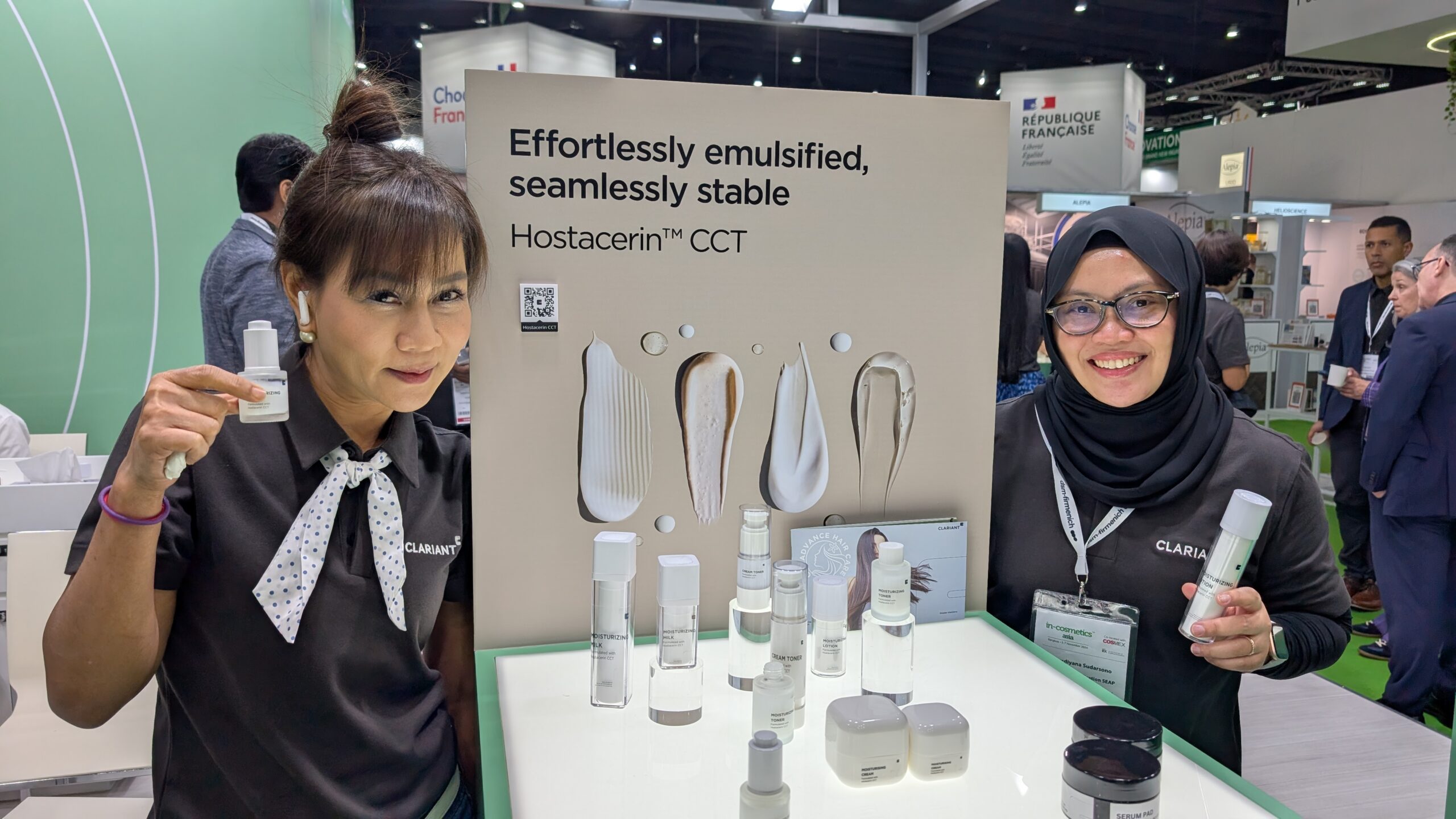
Clariant had returned to the leading personal care ingredient and formulation show in Asia – in-cosmetics Asia, with a strong line-up of high-performance ingredients. The three-day exhibition, held in Bangkok, Thailand from November 5-7, 2024, spotlight innovative products manufactured at Clariant’s facility in Tangerang, Indonesia: Clariant’s Hostacerin™ CCT and Eclipsogen™ CAP series with Nanocon™, their patented encapsulation technology. Together they demonstrate how the less is more beauty concept is perfectly executed with the highest degree of simplicity thanks to breakthrough innovation and years of formulation expertise.

Clariant Clariant

Under the latest minimalist beauty trend, more and more consumers have their eyes set on fewer high-quality products that can help them achieve the desired results on their skins through simplified skincare routines while maintaining maximized efficacy. With this less-is-more concept of beauty quickly gaining momentum, innovative ingredients that focus on enhanced performance and consistency with maximum effectiveness will undoubtedly be able to generate more demand from the market.

Clariant

One of the featured products from Clariant, the versatile Hostacerin CCT™, taps right into this emerging minimalist trend. This easy-to-use emulsifier has a wide application area with cold mixing, enabling the creation of stable low viscosity skincare and wet wipes. Skin moisturization could be lifted significantly with as little as 10% of Hostacerin CCT™.

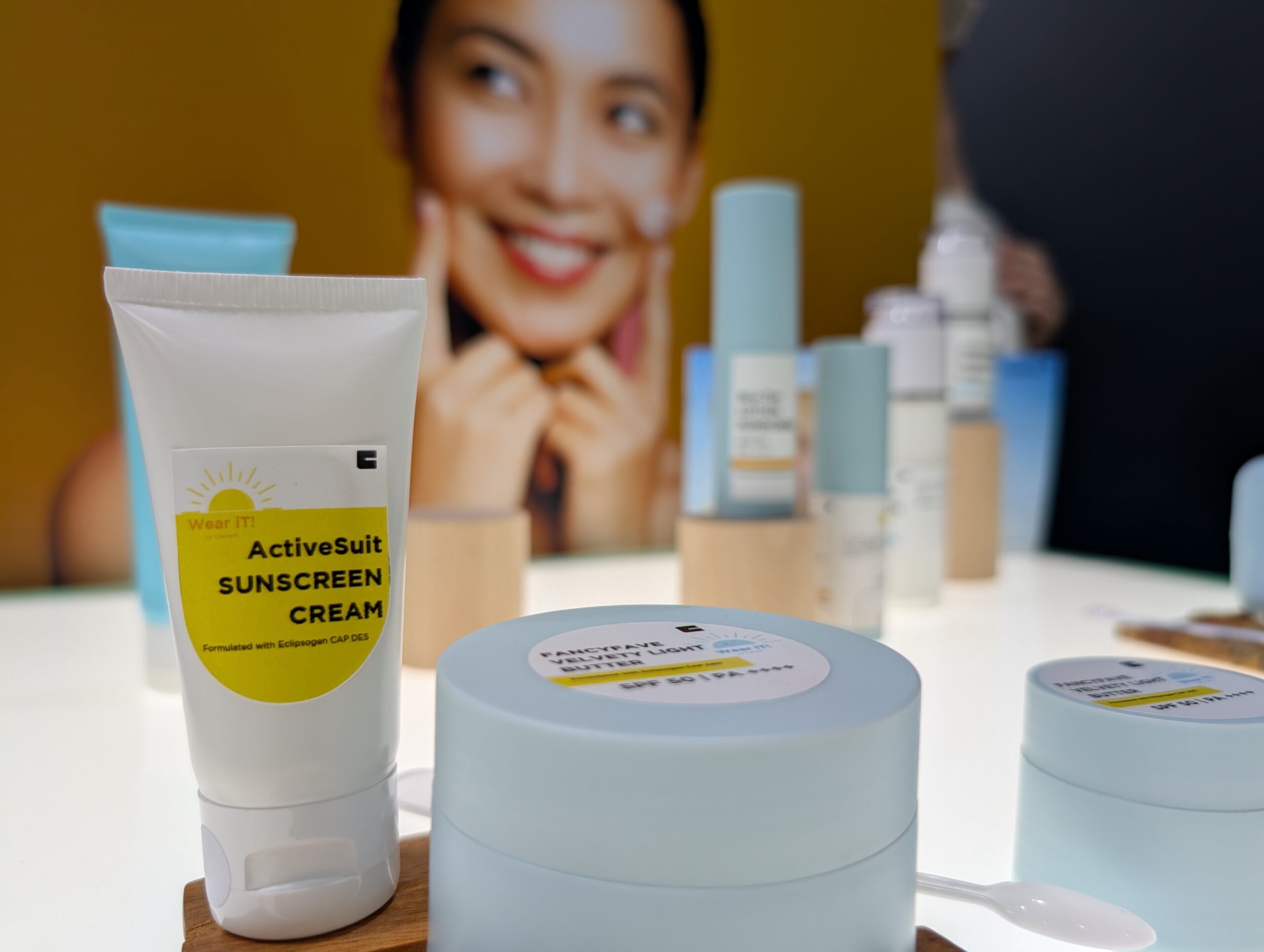
Another featured product from Clariant is the Eclipsogen™ CAP series, it’s the first encapsulated UV filters blends produced with Clariant’s Nanocon™ technology in Tangerang site. Even at low concentrations in formulations, Eclipsogen™ CAP helps achieve a high SPF value in sun care products.

Being cold processable, allowing the ease of formulation and readily compatible with sunscreen ingredients to enable light skin sensory with no white cast.

clariant

“Our highlighted ingredients, proudly manufactured in Tangerang, are designed to meet the everyday skincare needs with the complexity element taken out of the beauty equation – meaning that personal care products are there to perform with simplicity but without a compromise on performance” says Vipul Bhatt, Head of Personal & Home Care Asia Pacific.

Landscape-Members-AchivementUpdate-2-min

SKF to showcase innovative solutions at the Tech and Innovation summit

SKF

This publication is authored by and reflects the views and opinions of PT SKF Industrial Indonesia. More information about SKF is available at www.skf.com.


Gothenburg, 4 December 2024: SKF to unveil a broad range of products and solutions to continue serving customers with more efficient, reliable, and sustainable technologies. You are welcome to join the webcast on December 11 – 12. The Tech and Innovation summit, a one-hour virtual event, themed “Turning motion into meaning”, puts the spotlight on innovations essential for addressing urgent global issues like climate change and resource scarcity.

Innovation and technology development is core at SKF. The Group’s strategy is designed to create significant customer value in targeted markets through sustained innovation leadership and increased efficiency. With a focus on empowering customers to transform their operations and drive greater sustainability, SKF has during the last years transformed its R&D portfolio so that more than 90% of the projects are focused on high-growth segments

image 0 “Today, customers across industries are looking for solutions that promote greater decarbonization and sustainability. We will showcase technologies that pave the way for customers to meet their evolving needs and accelerate sustainable growth. By doing so, we are advancing our strategy through enhanced innovation in high-growth segments”, says Rickard Gustafson, President and CEO.


The Tech and Innovation summit focuses on tailored solutions aimed at enhancing energy efficiency and reducing emissions for customers in industries like railways, machine tools, metals, mining, industrial electrical systems, and HVAC (Heating, Ventilation, and Air Conditioning).


image 1

“Exploring and maximizing the immense possibilities of technology to develop intelligent and clean solutions is what we do at SKF. We accelerate our efforts to develop and bring to market innovative solutions that enhance productivity, efficiency, reliability, and cost-effectiveness, and deliver sustainable value for industries and societies”, says Annika Ölme, CTO and Senior Vice President, Technology Development.


Read more on the Tech and Innovation Summit

The live webcast of the event will be available via this link – Join event

  • Dec 11: 10 am CET (EMEA),
    10 am IST (India and Southeast Asia),
    9 am PT / 12 pm ET (Americas)
    11:30 – 12:30 WIB
  • Dec 12: 12 pm CST (China and Northeast Asia)

A replay of the summit will be available after the event’s conclusion on the website for on demand watch.

For further information, or to book interviews please contact:  Aparna Srivastava, Head of Communication, Technology Development, +46 707 576 468; aparna.srivastava@skf.com


Products and solutions showcased at the Tech & Innovation summit

SKF Infinium – the next generation of bearings

SKF is transforming the manufacturing and use of bearings with a revolutionary model that maximizes material use through a circular approach. This model enables SKF Infinium – the next generation of bearings, where products have multiple lifecycles with significantly less energy consumption and raw materials compared to new manufacturing, reducing CO2 emissions through a circularity-focused design. Not only is this approach feasible, but it is also profitable for customers, as evidenced by SKF Infinium performing in some of the toughest operating environments. Link to press release


Innovative HVAC solutions to address climate change

Buildings are responsible for approximately 40% of global greenhouse gas emissions, making energy-efficient HVAC solutions crucial for reducing environmental impact. High speed electric motors on Magnetic bearings have emerged as a leading technology in addressing the energy efficiency and environmental challenges of the HVAC industry. Magnetic bearings eliminate friction and wear, needing no oil lubrication and ensuring a clean, pollution-free operating environment. Already used in energy, semiconductor, and machine tool industries, this technology can boost energy efficiency by over 95%, far exceeding standard motors. Magnetic bearings provide a reliable, efficient, and sustainable solution in response to concerns about climate change and energy use.


Improved reliability in railways

SKF’s new range of tapered roller bearings, developed in close collaboration with the customer, enhances performance and durability for demanding track conditions. They can handle up to 1.5 times higher dynamic loads and reduce friction by up to 20% in output shaft bearings, leading to lower energy consumption and improved sustainability.


Performance-enabling solution for industrial electrical systems

With global businesses aiming for net zero, the need for electric solutions is increasing. At the summit, a key highlight is SKF Hybrid ceramic bearings designed for the evolving needs in electrification and automation. SKF Hybrid ceramic bearings, which integrate steel rings with engineered ceramic rolling elements, can reduce friction by up to 50% with an optimized machine design and boost operating speeds by up to 25% compared to all steel bearings. The bearings’ longevity, reduced energy use, and minimal maintenance requirements make them an efficient and sustainable choice for superior performance in many applications.


Advancing innovation with real-time load sensing in the mining sector

Mining companies need reliable data to optimize operations and meet growing demand for minerals. One of the most remarkable innovations introduced for the rapidly evolving mining industry is SKF Insight sensor-bearing system, providing real-time load data to the machine’s control system. This helps customers to increase output, efficiency, and productivity, thereby maintaining their competitiveness.


Innovative solutions for increased machine tool productivity

As precision, automation and miniaturization evolve, the demands on machine tools keep growing. Productivity is boosted by speed, so SKF has developed the innovative UltraFast series of Super-precision bearings, delivering a perfect balance between speed and stiffness for faster machine performance. These bearings also offer significantly reduced frictional torque and other features to support the drive towards reduced energy use.


Aktiebolaget SKF
       (publ)

SKF is a world-leading provider of innovative solutions that help industries become more competitive and sustainable. By making products lighter, more efficient, longer lasting, and repairable, we help our customers improve their rotating equipment performance and reduce their environmental impact. Our offering around the rotating shaft includes bearings, seals, lubrication management, condition monitoring, and services. Founded in 1907, SKF is represented in approximately 129 countries and has around 17,000 distributor locations worldwide. Annual sales in 2023 were SEK 103,881 million and the number of employees was 40,396. www.skf.com

image

The Resident and the reality of healthcare fraud

image

This publication is authored by and reflects the views and opinions of PT Integrity Indonesia. More information about PT Integrity Indonesia is available at www.integrity-indonesia.com.


The Resident, a gripping medical drama that aired on Fox starting January 2018, has recently gained attention on Netflix, finding its way into many viewers recommended watchlists. Set within the bustling corridors of Chastain Park Memorial Hospital, the series offers an intriguing behind-the-scenes look at the healthcare system, highlighting the day-to-day lives of doctors, nurses, and administrators.

At its core, the show dives deep into the ethical and personal challenges faced by medical professionals, often portraying dilemmas involving corrupt practices, medical malpractice, and the tension between profit-driven hospital policies and patient care. While fictional, The Resident draws attention to some harsh realities that mirror the real-world challenges of the healthcare industry, one of which is healthcare fraud.

Healthcare fraud is a growing issue that significantly impacts the healthcare sector, causing both financial and non-financial damage. The scale of material losses is staggering, with approximately $455 billion lost annually out of the $7.35 trillion spent globally on healthcare services.

In Indonesia, the situation is equally concerning. According to Alexander Marwata, Deputy Chairman of the Corruption Eradication Commission (KPK), healthcare fraud accounts for about 10% of public health expenditure, translating to roughly IDR 20 trillion in losses. These figures underscore the immense burden fraud places on already stretched healthcare resources.

The sophistication and complexity of healthcare fraud make it increasingly difficult to detect and prevent. Fraudulent activities range from overbilling and unnecessary treatments to more elaborate schemes involving falsified claims and kickback arrangements. Globally, the healthcare fraud analytics market is projected to expand exponentially, with forecasts estimating its value will reach $9.66 billion by 2028


Connecting Fiction to Reality

While dramatized for entertainment, the series vividly portrays how doctors and hospital management manipulate patient’s cases, ranging from billing fraud to unnecessary medical procedures.

These scenarios, though fictionalized, reflect common forms of healthcare fraud seen in real life, including:

  • Billing Schemes: Overcharging patients or insurers by claiming for services never provided or upcoding procedures to higher-paying ones.
  • Unnecessary Treatments: Performing excessive or irrelevant medical procedures to inflate costs.
  • Kickback Arrangements: Accepting incentives for patient referrals or prescribing specific drugs and treatments.
  • Credentials Fraud: Employing unlicensed professionals or falsifying qualifications.


A real-world fraud case

Just recently, The Malaysian Social Security Organisation (SOCSO), also known as Perkeso, uncovered a significant healthcare fraud scheme. Intelligence gathered by Perkeso’s Anti-Fraud, Ethics, and Integrity department led the Malaysian Anti-Corruption Commission (MACC) to expose a sophisticated operation run by a cartel.

The Jemaah Doktor (JD), or medical board, was arrested on suspicion of colluding with the cartel. For years, this group allegedly exploited false disability claims to siphon millions of ringgits—equivalent to hundreds of thousands of US dollars—from the organization.

Central to the fraud was the practice of upcoding, where doctors submitted false claims with fabricated diagnoses, falsely indicating that claimants had sustained fractures in their hands or legs. To make these claims appear credible, the doctors issued medical certificates granting the claimants 90 days of medical leave.

Moreover, a panel of doctors was complicit in verifying these fraudulent claims. However, upon further investigation, including visits to the hospitals and examinations of actual X-rays, it was revealed that no fractures existed at all.

In this scheme, the claimants received 50% of the money, while the remaining half was distributed among the doctors and agents involved. Perhaps the most distressing aspect of this case is the involvement of medical professionals. Their profession is fundamentally reliant on public trust, and when that trust is broken, the consequences can be far-reaching


Combating healthcare fraud

Combating healthcare fraud requires a multi-faceted approach involving prevention, detection, and enforcement. Here are some key strategies to effectively tackle healthcare fraud:

  1. Strengthening Regulation and Oversight

Government and regulators must enforce strict rules on billing, claims, and medical procedures. Regular audits and clear reporting requirements ensure compliance with ethical and legal standards

  1. Whistleblowing Systems

Enhancing transparency and accountability by holding staff at all levels responsible for their actions. Clear and accessible whistleblowing systems, help detect fraud early.

  1. Advanced Technology and Data Analytics

Leveraging technology can help identify anomalies or unusual patterns in claims and billing. 

  1. Education and Awareness

Educating healthcare providers and staff on the legal, ethical, and financial impacts of fraud is key. Regular training raises awareness of common fraud schemes and the importance of ethical practices.

Just as The Resident entertains, it also serves as a reminder of the real-world challenges fraud poses, not only to healthcare systems but in many other forms.

As the year draws to a close and you enjoy your well-deserved holiday break, take a moment to reflect on the importance of honesty and integrity in all aspects of life. Let’s make this season joyful and fraud-free by staying mindful and making ethical choices each day.