background zoom - 1

Annual General Meeting 2025

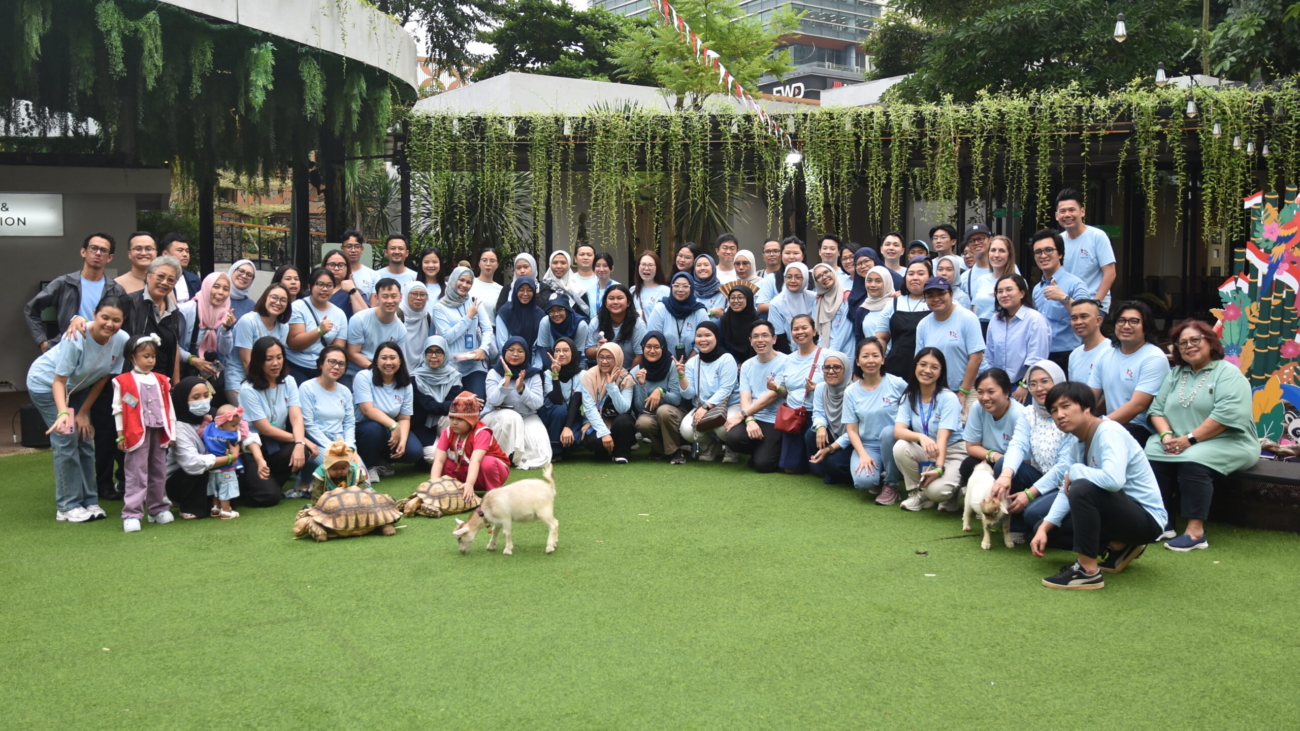
Indonesia SwissCham successfully held its Annual General Meeting (AGM) on 6 November 2024. The current leadership team will continue to guide the Chamber with stability, commitment, and a shared vision for sustained growth and excellence. Thank you to all Indonesia SwissCham members for their participation in this year’s AGM, and to all SwissCham members for your continued trust and support. 


Our appreciation to the members of the Board of Supervisors: 

Our gratitude to the members of the Board of Management: 

Here’s to another year of progress, collaboration, and excellence for Indonesia SwissCham!

WATCH MORE

5fa0a9_fe7cdb336328400481eec8333aa683a1mv2

Beyond the Bar: How KOLTIVA’s Traceability Solutions Enable Puratos to Build a Sustainable and Ethical Cocoa Supply Chain

This publication is authored by Koltiva and reflects its views and opinions. More information about Koltiva is available at www.koltiva.com.


Executive Summary:

  • Puratos has partnered with Koltiva to strengthen its cocoa supply chain, aligning innovation with ethical sourcing and sustainability to address evolving global regulations and stakeholder expectations.

  • Koltiva provides a comprehensive digital ecosystem, KoltiTrace MIS, delivering end-to-end supply chain visibility, deforestation monitoring, child labor risk assessment, certification readiness, and greenhouse gas emission tracking.

  • Through this collaboration, Puratos and Koltiva are building a deforestation-free, transparent, and inclusive cocoa supply chain that safeguards farmer livelihoods, protects ecosystems, and sets a benchmark for sustainability in the chocolate industry.


Every bite of chocolate begins with a choice—onethat can either uplift farming communities and protect forests or perpetuate harm. The future of cocoa depends on our ability to meet global demand without compromising human dignity or planetary health. As consumer expectations rise and sustainability regulations become more rigorous, companies are no longer asked just to commit to ethical sourcing—but to demonstrate it, transparently and tangibly.  

This is the story of how Puratos, a global innovator in food ingredients for the bakery, patisserie, and chocolate sectors, has selected Koltiva to transform its cocoa supply chain. Together, we are strengthening traceability, ensuring ethical practices, enabling carbon emission calculation and GHG monitoring, streamlining certification audit processes, and building a resilient sourcing model that guarantees both environmental integrity and long-term livelihoods for cocoa farmers.  

At Koltiva, we’re proud to stand alongside Puratos in creating meaningful impact for both people and the planet. Through our integrated technology solutions, we’re helping to ensure a cocoa supply chain that is deforestation-free, transparent, and grounded in ethical practices. From monitoring labor conditions and supporting remediation, to enhancing traceability with detailed farmer mapping and real-time, data-driven insights—our tools are designed to turn sustainability goals into measurable action.  

Female cocoa farmer working with harvested cocoa beans – Koltiva.com

A Shared Vision for a Sustainable Cocoa Industry  

From chocolate factories to smallholder farms in, the cocoa supply chain is long and complex. It spans thousands of miles, involves countless transactions, and touches the lives of millions of farmers—many of whom face persistent poverty, labor violations, and the effects of climate change.  

Puratos has long recognized that true innovation in the chocolate sector goes beyond taste and texture—it requires transformation at the source. This belief laid the foundation for its resilient supply chains, assisted by us, a trusted technology and agritech partner that delivers end-to-end traceability, compliance, and sustainability solutions tailored for complex global supply chains.  

Selene Scotton, Puratos Global Cocoa Sustainability Manager said, “At the heart of Cacao-Trace is our commitment to quality, transparency and farmer income. True progress depends on strong collaboration with partners who share our values. Our partnership with Koltiva enables us to scale ethical sourcing practices and meet growing global demands for traceability and compliance—while continuing to empower cocoa farmers and strengthen the communities that are the cornerstone of everything we do.” 

koltiva

Transforming Intent into Action: The Power of Integrated Traceability Solutions for Cocoa Supply Chain  

Since the start of its project, we support Puratos closely to build a supply chain that is traceable, inclusive, and fully compliant with evolving regulations such as the EU Deforestation Regulation (EUDR).  

At the core of this transformation lies KoltiTrace MIS, Koltiva’s digital ecosystem that connects every stakeholder—from farmers and field technicians to exporters and buyers—through a real-time, data-driven platform. Here’s how Puratos is leveraging our tech-enabled solutions:  

  • End-to-End Visibility Across Cocoa Supply Chain 

    Traceability is no longer a luxury—it’s a license to operate. Through KoltiTrace, Puratos gains end-to-end visibility across its cocoa supply chain. Every transaction—from crop procurement to final deliveries—is digitally recorded and verified using FarmXtension, Koltiva’s mobile app for field teams. 

    This transparency empowers Puratos to ensure integrity at every step, validate supplier practices, and report confidently on compliance to customers, regulators, and stakeholders.  


  • Deforestation Monitoring: Protecting Forests, Supporting Regeneration  

    With the global spotlight on deforestation, companies must do more than promise—they must prove. Puratos uses KoltiTrace’s Land Use Tracker to monitor land-use changes. 

    Satellite data, farmer geolocation, and historical land records come together to form a clear picture of risk— enabling not just the identification of risks, but also the avoidance of harmful ones. 


  • Child Labor Risk Monitoring: A Human-Centered Approach  

    One of the most pressing issues in cocoa production is the risk of child labor. With KoltiTrace’s Child Labor Risk Monitoring System (CLRMS), Puratos is able to continuously assess working conditions, flag at-risk households, and coordinate tailored interventions.  

    Beyond detection, this system supports remediation—connecting families with support services, facilitating access to education, and working with local communities to shift social norms around child labor.  


  • Streamlined Certification: From Compliance to Continuous Improvement  

    Meeting certification standards can be time-consuming and resource-heavy. Koltiva’s Certification Audit Tool, integrated into KoltiTrace MIS, streamlines this process with real-time compliance dashboards and automated alerts.  

    For Puratos, this means being able to manage certification readiness across multiple farmer groups, conduct gap assessments, and implement swift corrective actions—turning compliance from a checkpoint into a continuous journey.  


  • Climate Action: Quantifying Emissions, Unlocking Nature-Based Solutions 

    Addressing climate impact starts with accurate data. To support Puratos in tracking its net carbon balance, Koltiva quantifies both greenhouse gas (GHG) emissions and removals across the supply chain. The Land Use Change tool uses remote sensing and farmer polygon data to estimate land-based emissions. Complementing this, the Cool Farm Tool (CFT) Assessment—based on the globally recognized methodology from the Cool Farm Alliance—collects detailed on-farm and off-farm emission data through extensive farmer surveys. Finally, Koltiva’s Agri-Carbon Tracker leverages satellite imagery to assess above-ground biomass, laying the groundwork for Nature-Based Solutions (NbS) and future carbon credit initiatives. 

“Our journey with Puratos is rooted in shared values—sustainability, transparency, and innovation,”said Manfred Borer, CEO & Co-Founder of Koltiva.“Since the start of our collaboration, we’ve delivered tailored solutions that go beyond compliance and create lasting impact. We’re proud to support Puratos in building a resilient cocoa supply chain that uplifts farmers, empowers businesses, and protects the planet.”  


Grounding Technology in Human Connection  

Technology alone doesn’t solve supply chain challenges—people do. What makes this model truly effective is the combination of robust digital platforms with in-person field facilitation. In this collaboration, Puratos’ local agronomists and field agents work side-by-side with farmers to map plots, train on good agricultural practices, ensure ethical labor standards, and capture accurate data directly from the field —all using Koltiva’s integrated traceability tools. This human-centric approach bridges the digital divide and ensures no one is left behind in the traceability journey.  


Real Impact, Real Results  

Together, Koltiva support Puratos in building a cocoa supply chain that delivers:  

✅ Verified traceability from farm to export  

✅ Ongoing monitoring of child labor risk and ethical working conditions  

✅ Transparent reporting to customers and regulators  

✅ Improved livelihoods for farmers through access to training, data, and digital tools  


From Compliance to Leadership  

As more global regulations emerge and consumers demand ethical assurance, companies like Puratos are showing what’s possible when traceability becomes a strategic advantage—not just a reporting requirement.  

By embedding sustainability at the heart of its cocoa sourcing strategy, and choosing Koltiva as a trusted partner, Puratos is not just adapting to change—it is leading it.  

And at Koltiva, we remain committed to helping responsible brands navigate complexity with confidence—combining cutting- edge technology with field-based insight to build transparent, inclusive, and future-ready supply chains.  

Together, Koltiva is not just improving how cocoa is sourced. Koltiva is shaping the future of sustainable chocolate.   


Thailand’s Rubber Company (G T Rubber) and Indonesia’s AgriTech Firm Map Over 15,000 Plots and Verify 4,500 Farmers to Ensure Deforestation-Free Supply Chain

This publication is authored by Koltiva and reflects its views and opinions. More information about Koltiva is available at www.koltiva.com.


Executive Summaries:

  • Over 90% of the world’s natural rubber is grown by smallholders, yet many remain invisible in formal supply chains. Thailand leads production at 34%, followed by Indonesia (26%), Vietnam (8%), China (7%), and India (7%). 

  • More than 4 million hectares of forest (an area as large as Switzerland) have been cleared for rubber plantations since 1993, primarily in sensitive ecosystems. To stop further loss, traceability is now a priority across the industry. 

  • Over 15,000 rubber plots have been mapped, and 4,500 farmers have been verified as part of a traceability initiative by G T Rubber, in collaboration with Indonesia’s AgriTech Firm, KOLTIVA. The effort also trained 200 dealers on EUDR compliance to prevent unverified rubber from entering the supply chain.


Bangkok, 11 August 2025 – Thailand, one of the world’s top natural rubber enterprises, is undergoing a pivotal shift as regulatory and market forces converge around traceability and sustainability. At the forefront of this transformation is G T Rubber, a key industry player that has partnered with agritech firm Koltiva to implement a rigorous traceability and risk management system designed to align with the European Union’s Deforestation Regulation (EUDR).

To implement a comprehensive traceability system that captures, verifies, and monitors rubber production from smallholder farms to export.


Fragmentation, Aggregation, and the Traceability Challenge

More than 90% of global natural rubber is produced by smallholders in Southeast Asia, most of whom operate outside formal supply chains and have limited links to processors or buyers (SPOTT, 2022). Thailand leads production at 34%, followed by Indonesia (26%), Vietnam (8%), China (7%), and India (7%). While the sector supports millions of livelihoods, its rapid expansion has fuelled deforestation, biodiversity loss, and land tenure conflicts. A fragmented network of intermediaries—traders and aggregators—adds further opacity, making traceability and sustainability difficult to enforce.

A 2023 study published in Nature Journal underscores the urgency: more than 4 million hectares of forest (an area as large as Switzerland) have been cleared for rubber plantations since 1993—half of that since 2000—much of it in ecologically sensitive areas. The sector’s environmental footprint is significant, yet rubber remains absent mainly from global deforestation discourse.

As trade regulations evolve, the capacity to verify sourcing origins—down to the farm level—will determine which exporters can continue accessing premium global markets.


Data-Driven Infrastructure at the Farm Level for Deforestation Free Supply Chain

G T Rubber is advancing traceability and risk management by deploying a digital system from Indonesia’s AgriTech Firm Koltiva that verifies land legality, assesses deforestation risk, and links farm-level data to sourcing transactions. This granular dataset forms the backbone of G T Rubber’s compliance framework, enabling real-time monitoring and risk flagging. Crucially, this system prepares the company for seamless integration with forthcoming EU Information Systems (EUIS), which will require detailed geolocation and due diligence disclosures.

To date, over 15,000 smallholder plots have been polygon-mapped, across Thailand with more than 4,500 rubber farmers verified through geospatial analysis, land tenure checks, and deforestation risk assessments. These validated data points are directly connected to sourcing transactions within a centralized Management Information System (MIS), providing G T Rubber’s compliance team with the ability to track, assess, and respond to risks in real time.

Designed to align with upcoming EUIS, the system supports detailed geolocation tracking and due diligence reporting; key requirements under the EU Deforestation Regulation (EUDR). By consolidating verification and monitoring into one platform, G T Rubber strengthens transparency and readiness as sustainability regulations evolve.

Deforestation linked to rubber is often underestimated in global discourse, yet the data is clear. Millions of hectares have been lost in the past two decades. If we want to maintain access to international markets, we must move beyond declarations and into systems that generate verifiable, actionable data from the field. That’s the only way to prove what’s really happening on the ground,” said Manfred Borer, CEO and Co-Founder at KOLTIVA. 

EUDR and similar regulations are not temporary hurdles—they’re signposts for where global trade is heading. For businesses, the ability to demonstrate traceability down to the farm level is now a core part of long-term resilience. This is about ensuring our supply chains can adapt—not just to today’s rules, but to tomorrow’s expectations.

The Dealer Bottleneck: Training and Segregation as Mitigation Tools

Dealers often represent a weak link in the compliance chain, operating in remote regions with limited digital infrastructure and a lack of knowledge about new regulatory demands. Over 200 dealers in G T Rubber’s network have undergone structured training through the capacity-building program. The training and coaching combine regulatory literacy with practical implementation, offering hands-on guidance and pre- and post-assessments to evaluate dealer understanding of both the EUDR and traceability practices. Additionally, labelling systems are provided for compliant segregation (for both compliant and non-compliant rubber), and sourcing protocols are implemented to reduce contamination of verified supply.

Farm data alone won’t secure compliance. If a dealer adds unverified rubber into the supply, the entire batch—and the credibility of the traceability system—comes into question. That’s why we emphasize capacity building and verification at every level—especially where aggregation happens,” said Olivier Barents, Senior Head of Marketing APAC at KOLTIVA.

“The risk is real: one non-compliant shipment can result in costly penalties or shipment rejections. That’s why we prioritize traceability not only at the farm level but also among dealers—through targeted training and traceability tools. A single undocumented shipment can jeopardize market access. Our role is to equip suppliers with systems that identify and resolve these risks before they escalate into regulatory violations.”


Three-Tier Traceability Engagement Framework

A recent initiative in southern Thailand from G T Rubber offers a practical model for advancing deforestation-free rubber supply chains. The program is structured around a three-tier engagement framework that begins with strategic alignment at the corporate level, followed by targeted training for local dealers, and continuous coaching for smallholders in key sourcing regions. This layered approach reinforces data integrity and improves traceability at critical aggregation points—often the weakest links in supply chain transparency.

What sets this model apart is its integration of multiple risk-detection systems. Satellite imagery, national land-use records, and deforestation alert platforms are combined to generate dynamic, georeferenced profiles of sourcing areas. These profiles support more accurate risk assessments and enable pre-emptive interventions.

G T Rubber plans to expand the traceability initiative to more provinces in 2025, aiming to onboard at least 10,000 Smallholder Producers by 2027 and increase the share of verified rubber in its total output. The company is also working closely with Koltiva to strengthen the traceability framework further, leveraging new digital features and analytics to identify sourcing gaps and monitor field-level performance.

This is about long-term competitiveness,” said Tanaphon Tanunpatcharapol, Managing Director at G T Rubber Company Limited. “Buyers are no longer just asking for quality—they’re demanding proof that materials are traceable and deforestation-free. That’s the future of global trade.

image-20250829145537-1

Enhancing Farmer Capacity, Syngenta Indonesia Launches Rice Cultivation Guidebook and Drone Learning Center

image-20250829145537-1

This publication is authored by and reflected the views and opinion of Syngenta Indonesia. More information about Syngenta Indonesia is available on www.syngenta.co.id.


  • Syngenta Indonesia launched the “Achieve Optimal Results in Rice Cultivation” guidebook to support increased productivity and achieve national rice self-sufficiency.
  • The inauguration of the Drone Learning Center at the R&D Center in Cikampek, West Java, is a strategic step towards modern and precision Indonesian agriculture.
 

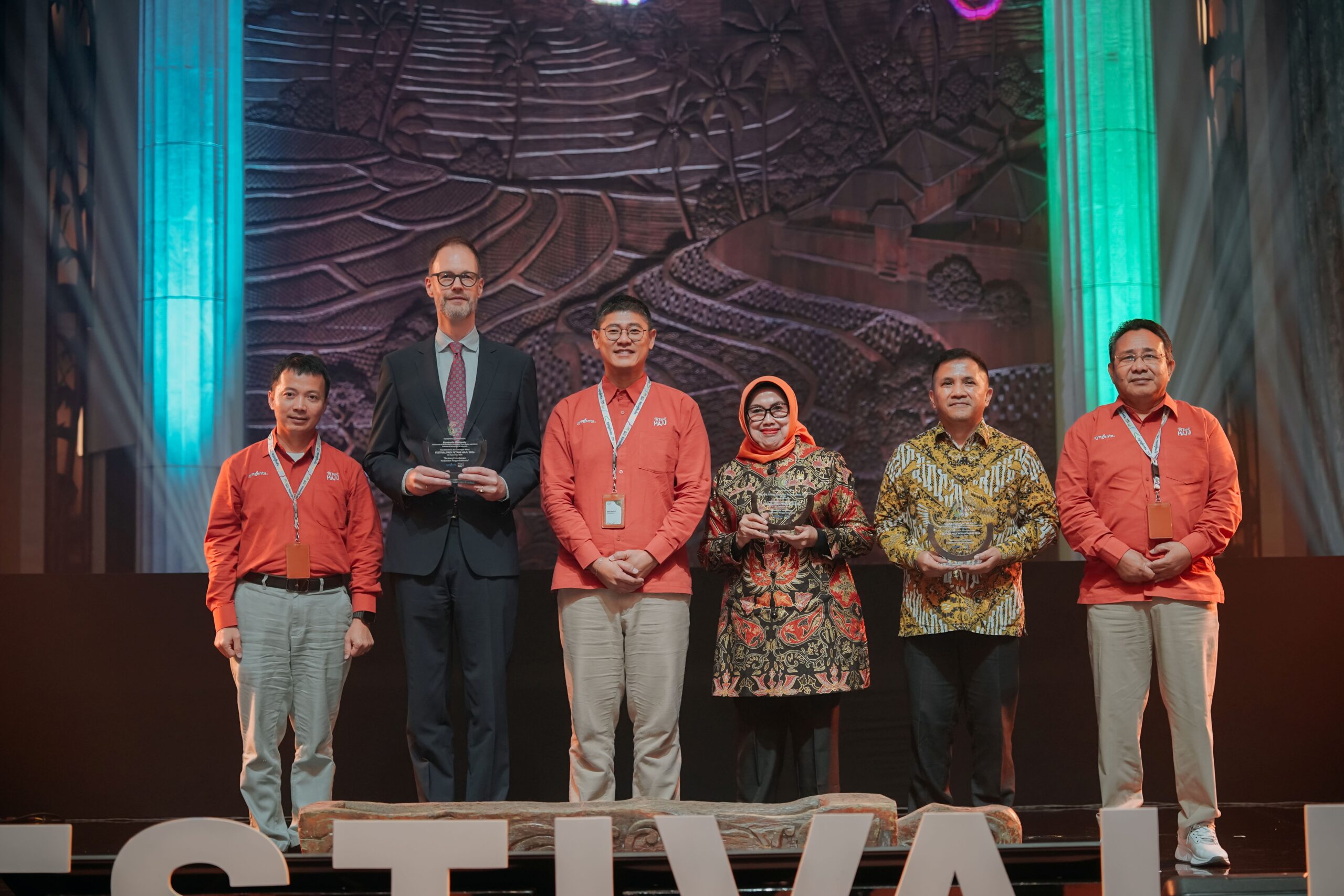
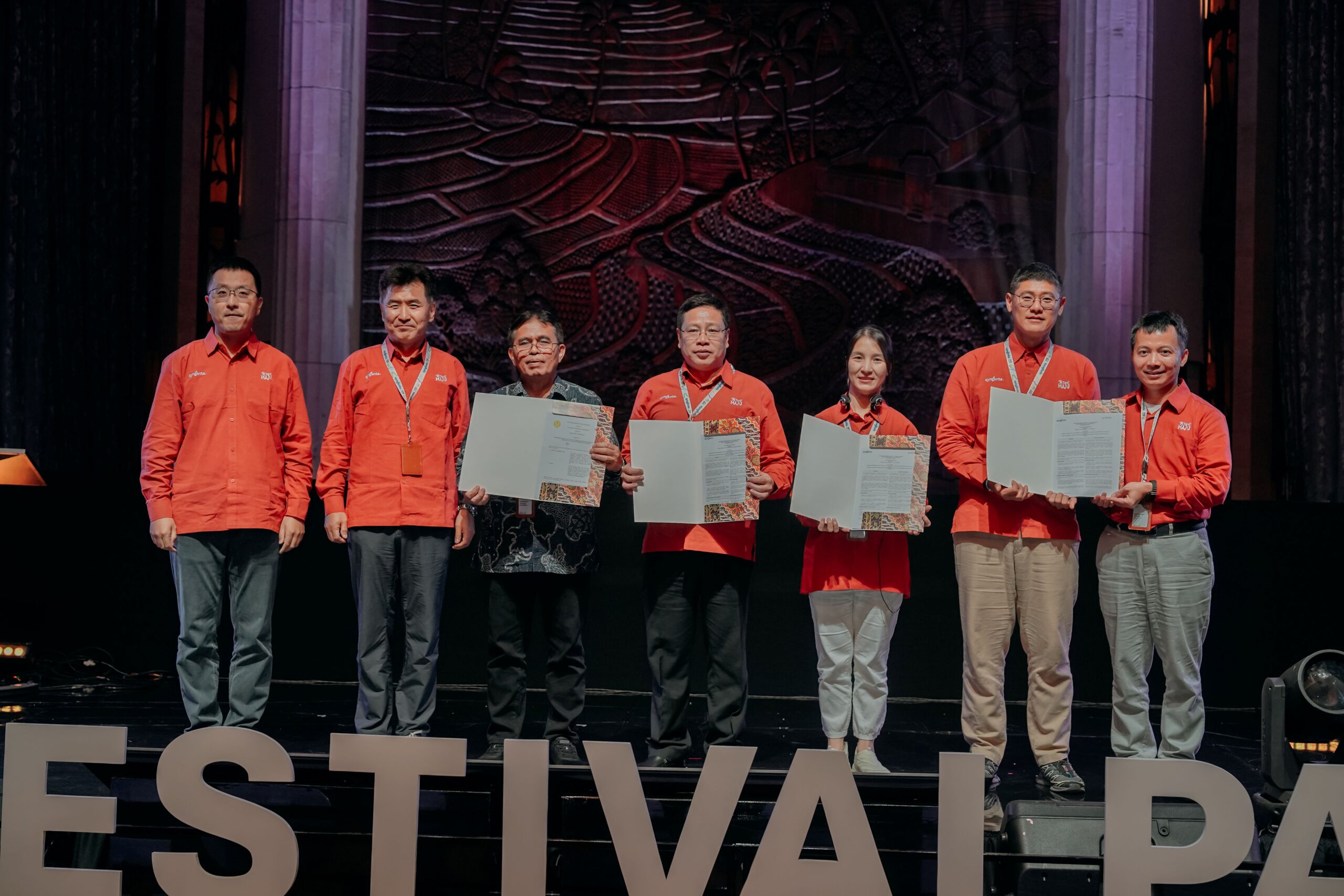
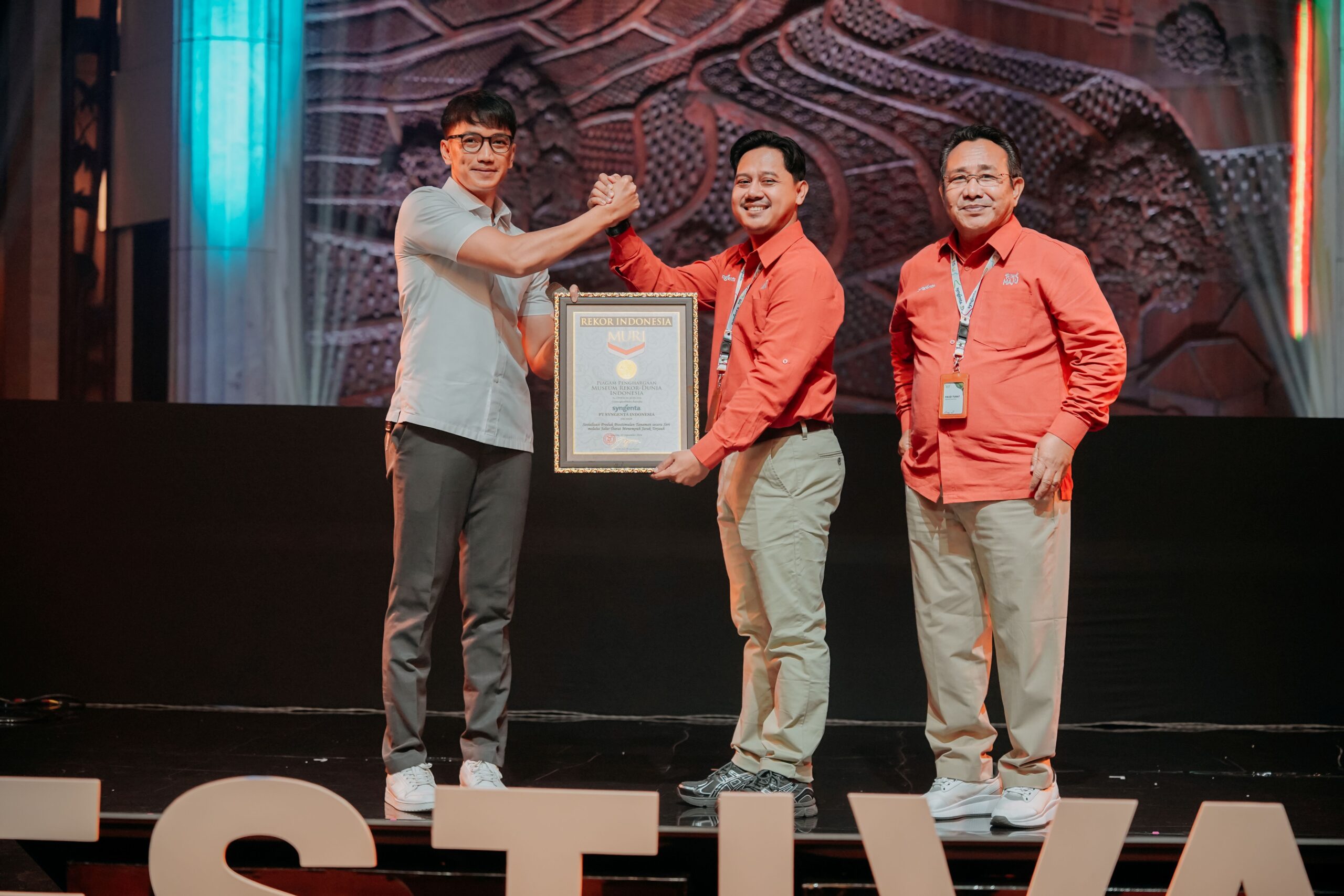
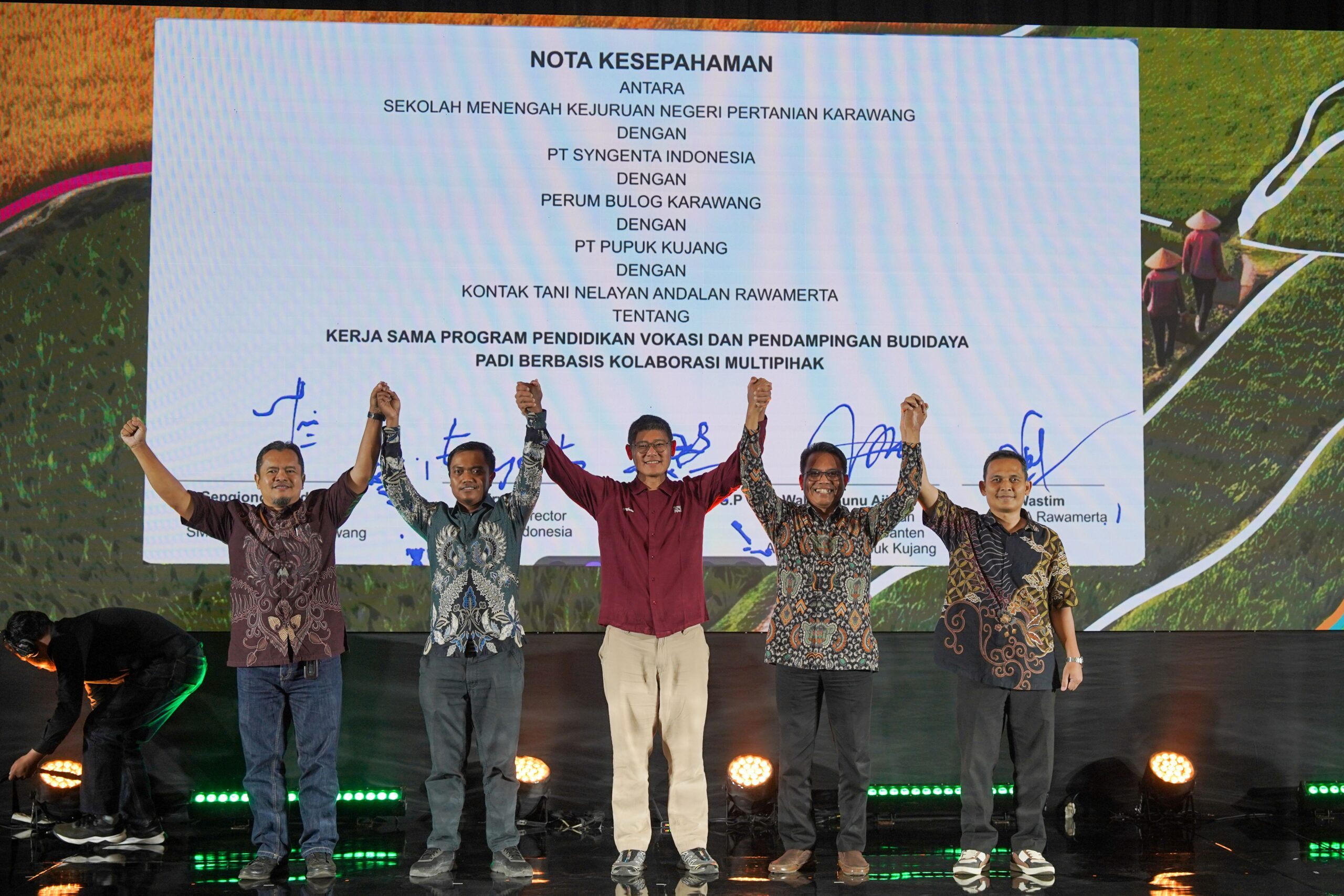
Syngenta Indonesia launched two strategic innovations to support the transformation of rice cultivation and strengthen national food self-sufficiency. The innovations are the “Achieve Optimal Results in Rice Cultivation” guidebook and the Drone Learning Center, which were inaugurated at the Syngenta Research and Development (R&D) Center in Cikampek, West Java, on August 27, 2025.

These two innovations demonstrate Syngenta Indonesia’s commitment to supporting national food security. With Indonesia’s population now exceeding 280 million, the demand for rice continues to rise, necessitating innovative solutions to optimize production. National rice production currently reaches 34 million tons per year, but this figure needs to increase in line with population growth. Responding to these challenges, Syngenta Indonesia is committed to supporting farmers to increase rice productivity through innovation and sustainable agricultural practices.

A Comprehensive Guide to Rice Cultivation

image-20250829150821-1

The “Achieving Optimal Rice Cultivation Results” guidebook summarizes Syngenta’s experience and knowledge in assisting rice farmers in achieving optimal productivity. This comprehensive guidebook has received input from farmers, extension workers, and academics. This guide to optimal rice cultivation covers all aspects, from land preparation and water management, seed and nursery selection, rice planting, plant spacing, fertilization and soil health, integrated crop protection, and harvesting. From a sustainability perspective, Syngenta has innovated in straw management, compost, and biochar, the use of drones, and IoT in agriculture. Farmer safety is also a key focus, providing information on the six rights, calibration of crop protection product use, and Syngenta’s five golden rules.

“The presence of this guidebook is one of Syngenta Indonesia’s concrete steps to continue increasing rice productivity. Syngenta also has a fostered farmer community, the 10 Ton Community, which has successfully achieved productivity of more than 10 tons per hectare. The combination of the innovative rice cultivation guidebook and the 10 Ton Community will help increase farmers’ profits and welfare, as outlined in the “Petani MAJU” (Advanced Farmers) vision, said Eryanto, President Director of Syngenta Indonesia.

Coordinating Minister for Food, Zulkifli Hasan (Zulhas), represented by Mrs. Widiastuti, S.E., M.Si., Deputy for Food and Agriculture Business Coordination, stated in her remarks that the government highly appreciates companies like Syngenta Indonesia for their efforts to support national food security and sovereignty. “Syngenta Indonesia, with its agricultural innovations and technology, is a crucial partner in the journey to realizing an advanced Indonesia.” This guidebook will be helpful to the broader public, including farmers and extension workers, in cultivating rice.

This guidebook is expected to provide practical solutions for various stakeholders in the agricultural sector. For farmers, this book serves as a quick reference for addressing field challenges and simplifying complex technical information. For agricultural extension workers, this book provides more precise and consistent guidance, facilitating effective two-way communication with farmers.

Drone Learning Center: Modernizing Indonesian Agriculture

image-20250829145621-2

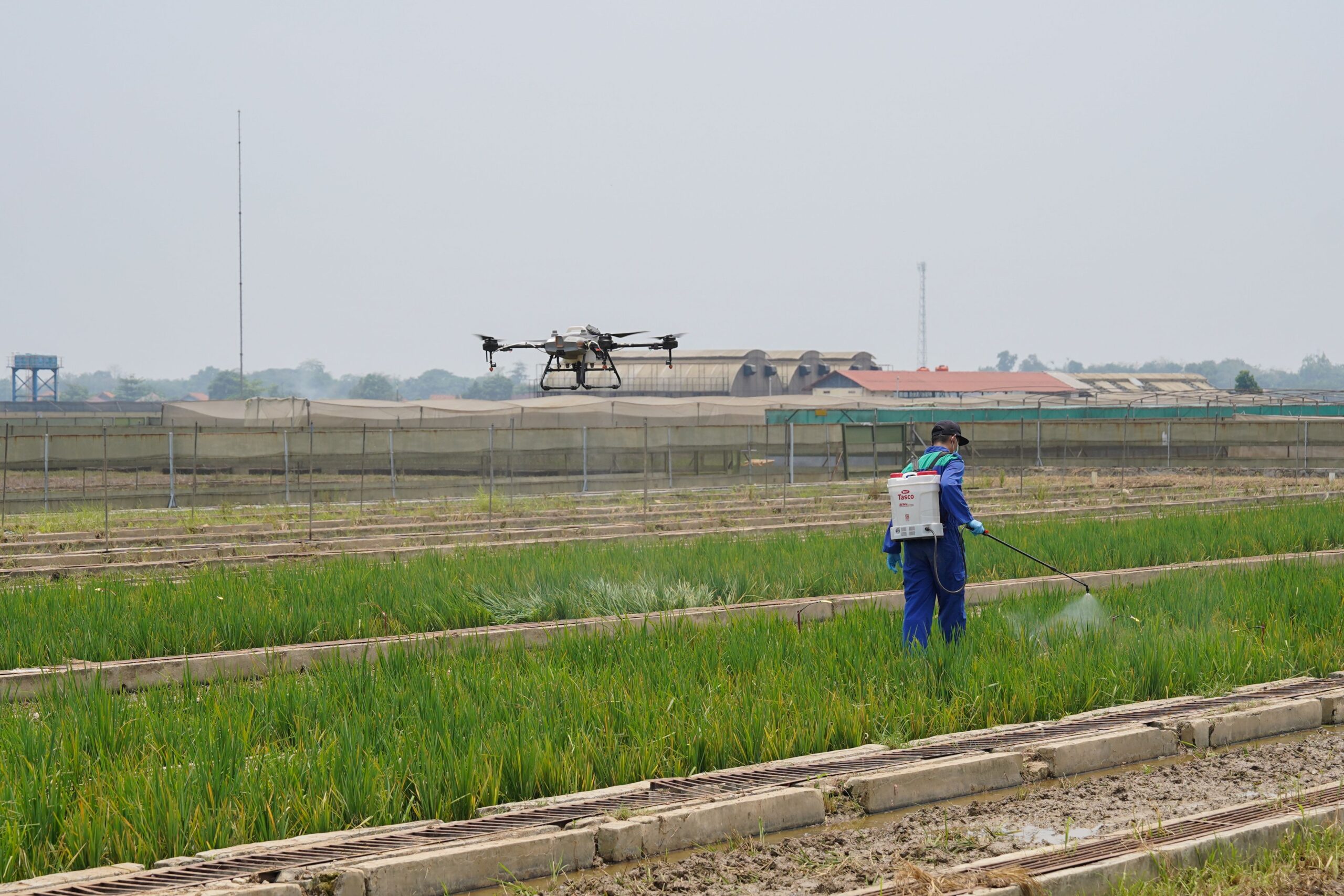
In addition to the guidebook, Syngenta Indonesia also inaugurated a Drone Learning Center. This facility allows farmers to gain hands-on experience in using drones to support agricultural efficiency through more precise application of fertilizers and crop protection products (prolintan), saving time and production costs, and minimizing environmental impact.

Through this Drone Learning Center, Syngenta Indonesia affirms its commitment to promoting the modernization of Indonesian agriculture. Drone technology not only increases efficiency but also supports more environmentally friendly agricultural practices.
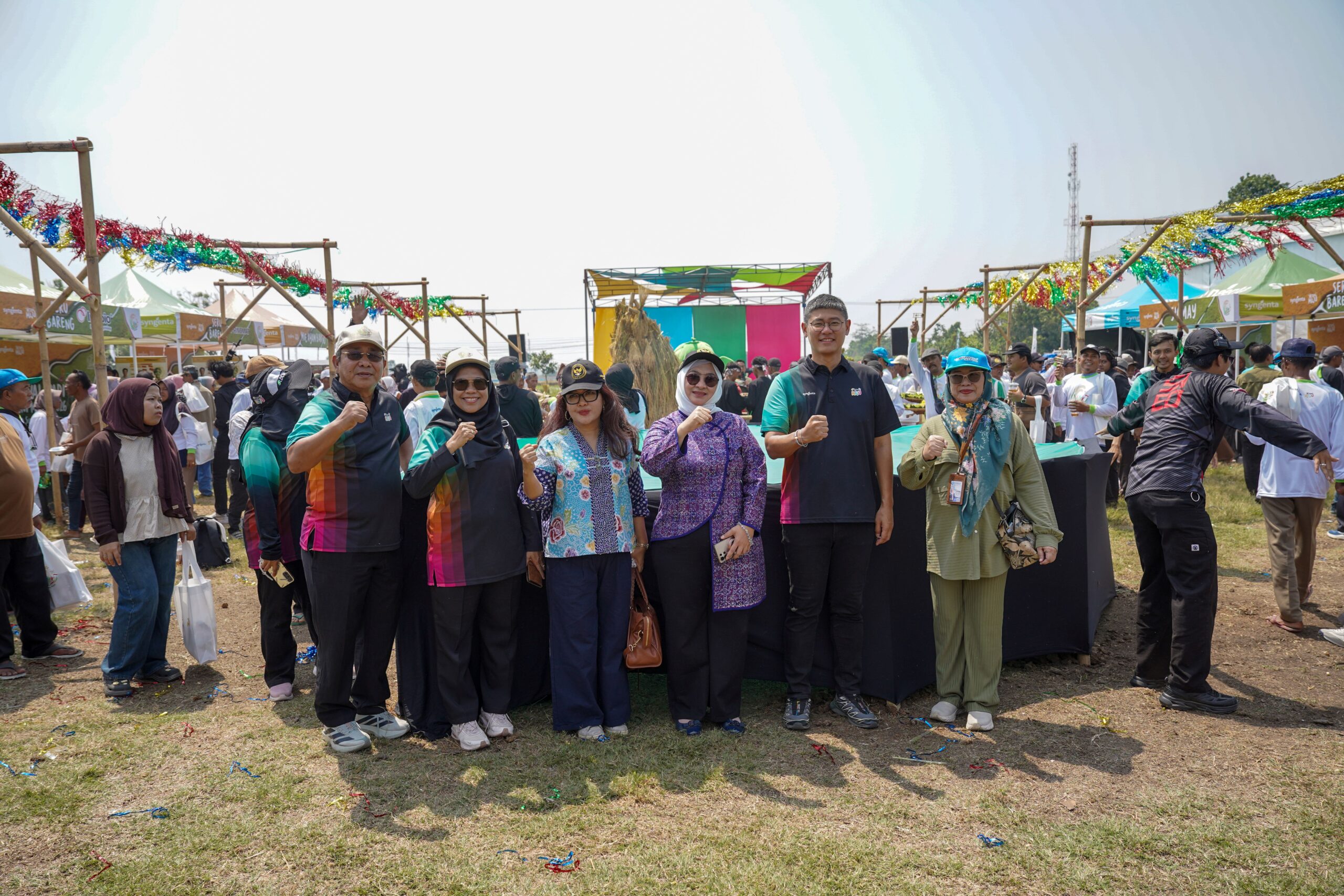
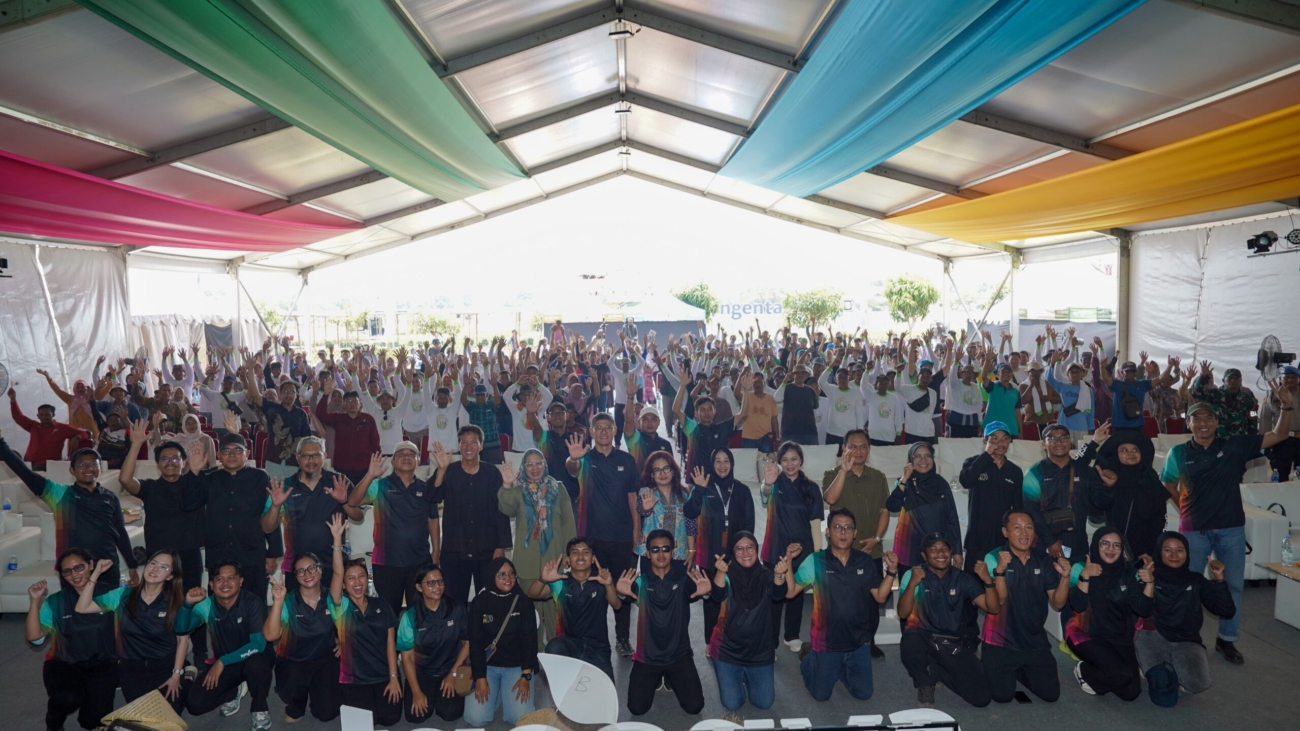
The launch event was attended by approximately 700 rice farmers from the Syngenta Indonesia 10 Ton Community, from West Java, East Java, and Central Java. Their presence demonstrated that the 10-ton-per-hectare production target can be achieved with the proper knowledge and technology.

The farmers welcomed the rice cultivation guidebook and the Syngenta Drone Learning Center. “This book is very useful in assisting farmers when planting rice. Today we can also learn about drones, which will help save time using the Syngenta Drone Learning application,” said Rokim, a farmer from Sukamekar Jatisari and head of the Karawang 10 Ton Community.

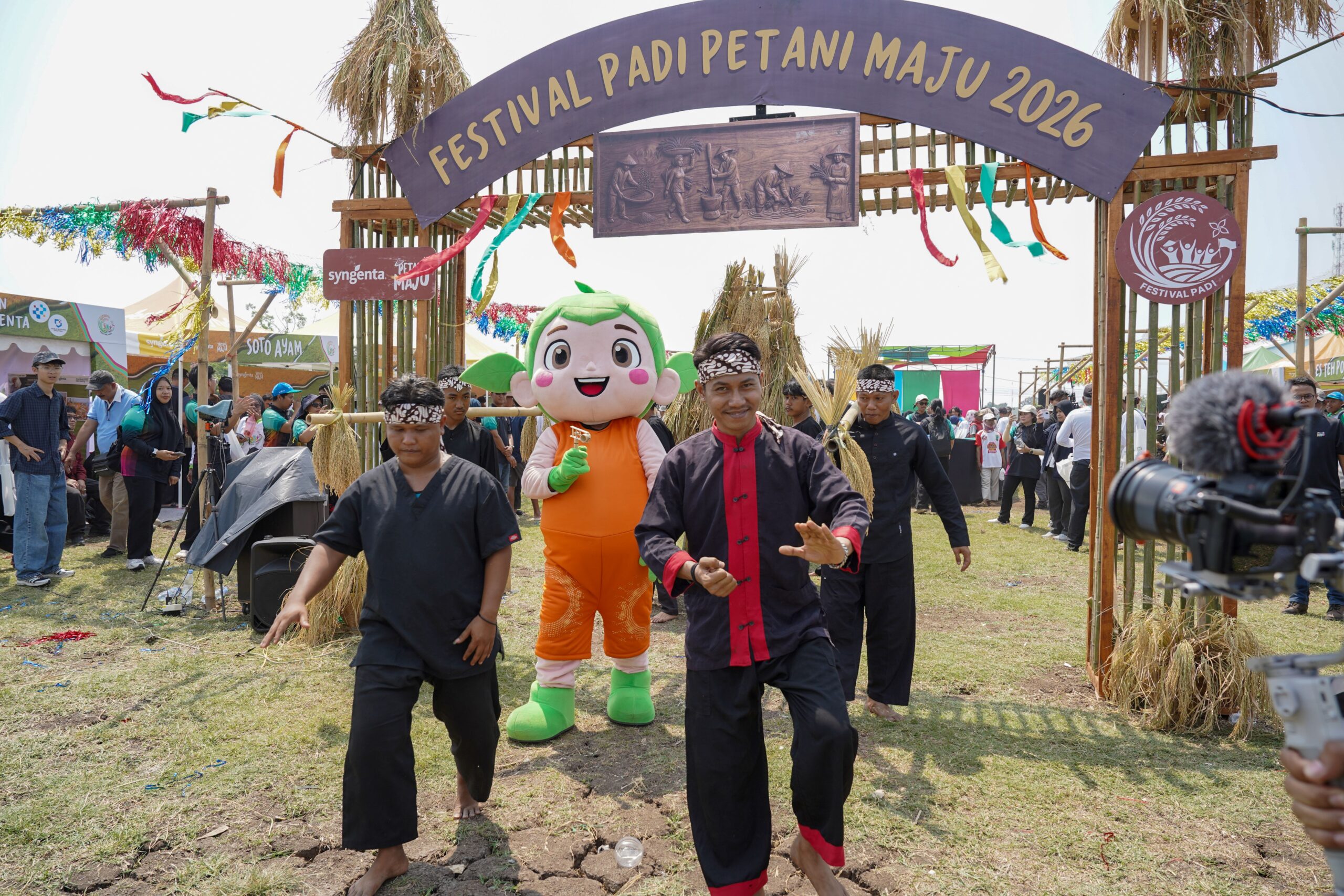
The implementation of this activity demonstrates the solid synergy and collaboration between the government, the private sector, and farmers in advancing sustainable Indonesian agriculture (a joint effort in sustainability) as one united team, as stated in Syngenta Indonesia’s Advanced Farmers vision. As a continuation of Syngenta’s 25th anniversary innovation and celebration series, Syngenta Indonesia will launch the Ningrat hybrid rice seed (NK2133) and inaugurate a quarantine laboratory on August 28, 2025 in Pasuruan, East Java.


Media Contacts


Web Resources

Web Resources

Corporate Communications
Indonesia.Communication@syngenta.com


image_3

Uncovering Hidden Truths Through Investigative Interview

image 3

This publication is authored by and reflects the views and opinions of Integrity Indonesia PT. More information about Integrity Indonesia PT is available at www.integrity-indonesia.com.

One morning in a corporate meeting room, the tension was almost tangible. An employee sat across from two interviewers. There were no raised voices, no accusations, only questions delivered calmly yet with clear direction. Each answer was listened to intently, every shift in posture noted, and small details double-checked. This was one form of an investigative interview, a professional interviewing method that often serves as the key to untangling the complexities of corporate fraud and internal misconduct cases.

In the business world, moments like these happen more often than people realize. Investigative interviews are not limited to law enforcement, they are widely used by companies to uncover suspected internal violations, conflicts of interest, and fraudulent practices that can quietly erode both reputation and revenue.

More Than Just Asking Questions

Many assume that an investigative interview is simply another word for interrogation, but the two are different. Interrogations are typically conducted by law enforcement and may be confrontational, whereas in a business context, investigative interviews are conducted with professionalism, structure, with the aim of gathering information objectively.

“Why professional? Because in an investigative interview, we uphold the rights of the interviewee. They have the right to feel at ease, they may drink, take a restroom break, and if they feel tired, they can pause. This is the difference between an investigative interview and an interrogation,” explained one of the seasoned Investigators at Integrity Indonesia PT.

“The process is also highly systematic because there is a planning stage, including subject profiling, drafting questions, and determining the execution strategy. We even consider small details such as the place of interview, sitting arrangement, the order of subjects to be interviewed and whether the interview will be conducted one on one or two on one,” he continued.

Thorough planning is crucial. Before a single question is asked, interviewers must understand the context of the case, identify witnesses or related parties, and map out possible information pathways. In many cases, interviews open unexpected doors, revealing people and facts that were never on the original list.

Reading Beyond Words

In an investigative interview, the spoken answer is just one layer of information. Tone of voice, pauses, body language, and even fleeting microexpressions can hold valuable clues. “The consistency of answers and non verbal cues are often important indicators for assessing honesty,” he said.

The greatest challenge comes when there is little initial information or when the case is already ‘burnt’, a term of situation when witnesses or subjects have already been interviewed by another party such as the company’s internal team and have become defensive. In such situations, the skill of building rapport becomes crucial. Questions must be open ended and free of an accusatory tone.

The PEACE method (Planning, Engage & Explain, Account, Clarify & Challenge, Evaluation) is often used as a framework. From building initial communication to final evaluation, each stage is designed to ensure the interview is effective, ethical, and yields information that can be accounted for.

Revealing More Than Expected

One of the strengths of an investigative interview is its ability to uncover unexpected information. In a case involving suspected misuse of company funds, the initial interview focused on one violation. However, from the statements obtained, another practice emerged: manipulation of leave entitlements by several employees. This finding never appeared in documents or internal reports but became important for management to take corrective action.

For companies, there are several advantages to having an investigative interview conducted by a third party. First, the results are more objective because they are carried out by a neutral party, avoiding conflicts of interest.

“Often, our team finds there is a close relationship, for example, a subject from the HR department being friendly with purchasing, or the legal department with sales, making them reluctant to provide statements if the investigation is conducted internally,” he noted.

Second, seasoned interviewers possess trained analytical skills and intuition, especially when dealing with subjects who hold high positions or wield significant influence. “Sometimes the ‘posture’ of an internal interviewer is outweighed by the subject, especially if they are senior executives. This is where neutrality, expertise, and experience from professional interviewers are essential,” he added.

Beyond resolving current issues, investigative interviews also help prevent future losses. By uncovering patterns, motives, and relationships between parties, companies can improve systems, strengthen policies, and build a stronger culture of integrity.

Landscape Members Achivement/Update  - 1

Switzerland Celebrates National Day with a Tribute to Longstanding Partnership with Indonesia

Embassy


Jakarta, 1 August 2025 – The Embassy of Switzerland in Indonesia marked Swiss National Day 2025 with a vibrant celebration in Jakarta, paying tribute to the enduring friendship and multifaceted cooperation between Switzerland and Indonesia. Held at hotel Ayana Midplaza Jakarta, the event brought together over 800 guests, including high-level government officials, business leaders, diplomats, the Swiss community and friends of Switzerland.

The Guest of Honour for the evening was Prof. Dr. Ir. Rachmat Pambudy, M.S., Minister for National Development Planning / Head of Bappenas, who underscored the close ties and shared aspirations between the two nations.

embassy

In his speech, Swiss Ambassador Olivier Zehnder emphasized Switzerland’s strong and evolving engagement in Indonesia:
“We are especially proud of Switzerland’s broad engagement in Indonesia – rooted in shared values and a commitment to long-term partnership. From vocational education and skills development, to human rights and disaster risk management, to fostering responsible and innovative business, our efforts reflect a deep respect for each other and a belief in working together to build resilient, inclusive, and sustainable societies.”

embassy

The celebration featured a special performance by Jane Callista, a rising Indonesian talent who charmed the audience with a joyful Swiss-Indonesian yodelling medley. This performance, delivered by the Indonesian artist mastering a traditional Swiss singing style, beautifully captured the spirit of Swiss-Indonesian friendship and cross-cultural appreciation.

embassy

Guests were also treated to a selection of authentic Swiss culinary delights, including warm, melty Swiss cheese raclette, the beloved Carac pastry which is especially popular in the French-speaking part of Switzerland, and other traditional dishes that offered a taste of Switzerland’s rich gastronomic heritage.

The success of the evening was made possible thanks to the generous support of 27 Swiss and Indonesian companies and institutions, whose contributions reflect the strength of our bilateral economic and cultural ties. These sponsors include PT Clariant Indonesia, PT Endress+Hauser Indonesia, SICPA-PERURI SECURINK, PT Nestlé Indonesia, ON Indonesia, Novartis Indonesia, ABB Motion and PT ABB Sakti Industri, Georg Fischer, PT Andritz Hydro, Switzerland Tourism, Indonesia SwissCham, Regal Springs Indonesia, Gran Meliá Jakarta, OMYA, PT Sika Indonesia, Time International, PT Tunas Tasik, Zurich Indonesia, Hilti, the Swiss Committee of the Indonesian Chamber of Commerce and Industry KADIN, Givaudan Indonesia, GE Vernova, MSC, Louis Dreyfus Company (LDC), PT Syngenta Indonesia, Roche, and Additiv.

Swiss National Day is celebrated on 1 August each year to mark the founding of the Swiss Confederation in 1291. In Indonesia, the occasion provides an opportunity to highlight the historic partnership between the two countries as well as Switzerland’s long-standing commitment to collaboration, innovation, and mutual respect.

image-20250725154843-1

Time International Receives HR Asia’s “Best Companies to Work For in Asia” 2025 Award: A Tribute to Our People

This publication is authored by and reflected the views and opinion of Time International. More information about Time International is available on www.timeinternational.co.id.


Time International is honored to once again be recognized by the HR Asia Awards as one of the Best Companies to Work For in Asia. This accolade is a powerful affirmation of the company’s continued efforts to build a workplace culture defined by purpose, excellence, and above all, people.

image-20250725154843-1


This year’s award holds a deeper meaning. More than a recognition of programs or policies, it is a celebration of the individuals who form the foundation of Time International. From boutique teams and warehouse staff to head office functions, it is their dedication, creativity, and resilience that have shaped a company culture worth honoring.

“At Time International, we’ve always believed that people are our greatest strength. This award belongs to every single person who brings our vision and values to life every day,” said Irwan Danny Mussry, President & CEO of Time International. “I am incredibly proud of our team and grateful for the spirit of collaboration and integrity they continue to uphold. This recognition is theirs.”


image-20250725154843-2


HR Asia launched the Best Companies to Work For in Asia award to spotlight organizations that excel in employee engagement, workplace culture, and HR practices. To be listed among other respected companies across Asia is an honor; to earn this recognition through the voices and experiences of our employees makes it even more special.

Time International’s win stands alongside other highly respected organizations across Asia and Indonesia. It is a testament to the company’s unwavering commitment to its core values, which serve as guiding principles in both internal culture and external partnerships.


image-20250725154843-3


With a legacy that began in the 1960s, Time International has grown to become Indonesia’s foremost curator of luxury and lifestyle brands. Representing over 40 leading global brands and operating more than 100 stores across the country, the company continues to uphold the balance between heritage and innovation, professionalism and heart.

Winning Best Companies to Work For in Asia in 2025 is not just a badge of honor, it’s a reflection of a culture built on trust, mutual respect, and a shared ambition to always raise the bar. This award is a reminder that when we invest in people, people give back tenfold, through their ideas, their loyalty, and their drive to make every experience memorable.

As we continue on our journey, this recognition will serve as a compass to strengthen our employee experience and reinforce our belief: people make the brand.


MEDIA CONTACT

Jessica Jade

Corporate Marketing

Email: jessica.jade@time.co.id


FOR MORE INFORMATION

Website: www.timeinternational.co.id

Instagram: @time.international

2b1e78_b113fc74f298446c93e31a20ba7dcd7fmv2

REA Empowers Over 600 Smallholders in East Kalimantan to Produce Sustainable Palm Oil with EUDR Compliance and RSPO Certification, Supported by KOLTIVA

This publication is authored by Koltiva and reflects its views and opinions. More information about Koltiva is available at www.koltiva.com.


Executive Summaries

  • REA initiated SHINES programme to support over 600 independent smallholders in Kutai Indonesia with RSPO certification and EUDR compliance through traceability and farm assessment tools.

  • KOLTIVA’s KoltiTrace platform map and verify farm polygons across 10 cooperatives in East Kalimantan as a part of its support for SHINES programme.

  • The programme protects up to 10,000 hectares of forest and supports 6 target villages through biodiversity and livelihood initiatives and will allow smallholders to receive market incentives, digital training, and partial payment support to meet EU regulations and secure long-term market access.


Jakarta, 14 July 2025 – PT REA KALTIM PLANTATIONS (REA), continues to advance its SHINES (SmallHolder INclusion for Ethical Sourcing) programme to improve the livelihood of smallholders through RSPO certification and European Union Deforestation Regulation (EUDR) compliance. Launched in October 2024, SHINES brings together corporate partners to drive transformative changes and foster shared responsibility across the value chain.

REA is a leading palm oil producer committed to sustainable, traceable, and inclusive production since 1991. A subsidiary of R.E.A. Holdings PLC, listed on the London Stock Exchange, REA operates in Balikpapan and East Kalimantan, Indonesia. Their operations span oil palm plantations, palm oil mills, and kernel crushing plants, complemented by forest conservation efforts covering approximately 18,000 hectares. Through initiatives like the SHINES programme, REA aims to enhance RSPO-certified supply chain compliance, improve productivity, and secure long-term market access for smallholders, aligning with evolving international regulations such as the EUDR.

“Smallholder inclusion is key to sustainable development,” said Bremen Yong, Group Chief Sustainability Officer of REA. “SHINES presents a strong business case that brings together stakeholders across the value chain to drive transformative change, improve livelihoods, and strengthen supply chain integrity,” added Bremen.

Through targeted interventions, REA ensures that producers comply with international regulations and gain improved access to economic opportunities. Smallholder cooperatives in Kutai Kartanegara, namely Koperasi Perkebunan Belayan Sejahtera, Gotong-Royong, Tunas Harapan, Bina Wana Sejahtera, and Karya Penoon are provided with training, technical support, and market incentives for those meeting EUDR requirements and industry standards, ensuring long-term compliance and market access.

KOLTIVA Supports SHINES with Mapping and Traceability Expertise for Sustainable Palm Oil

As part of the programme’s traceability and compliance component, REA engaged KOLTIVA, a Swiss-Indonesian agritech company, to provide technical support for polygon mapping, farm assessments, and the deployment of its traceability platform, KoltiTrace. This comprehensive solutions will facilitate more than 600 independent smallholders in ensuring full compliance with EUDR requirements.

“KOLTIVA’s work with REA underscores our shared commitment to building a resilient and sustainable palm oil supply chain. By integrating farm assessments, technological adaptation through KoltiTrace and training on Good Agricultural Practices (GAP), we are enabling producers to meet the evolving regulatory landscape while improving their long-term economic prospects,” said Manfred Borer, CEO of KOLTIVA. Its approach combines innovative digital solutions with on-the-ground interventions, ensuring that producers can seamlessly navigate the complexities of global sustainability standards.

Related to this project, KOLTIVA is currently rolling out its KoltiTrace platform across 10 cooperatives in East Kalimantan, aiming to map and verify farm polygons. This digital traceability infrastructure provides the baseline for legal land verification and ongoing monitoring required under RSPO and EUDR standards.

Indonesia’s smallholder readiness for EUDR remains limited. Roughly 41% of Indonesia’s oil palm plantations—around 6.7 million hectares—are managed by independent smallholders, yet studies show only 1% of these smallholders are “cleanly and clearly” certified, meaning they meet traceability and legality requirements aligned with the EUDR. Major obstacles include inadequate geolocation data, unclear land tenure, and lack of digital systems. Without urgent action, many smallholders face exclusion from EU markets under the new regulation (Palm Oil Monitor, 2023 ).

The SHINES programme directly responds to this readiness gap by providing smallholders with the tools and support necessary to achieve traceability, certification, and compliance. It represents a tangible step toward closing these gaps, offering smallholders a viable pathway to meet regulatory requirements and secure long-term market access.

In the next phase, KOLTIVA will support the implementation of a segregation feature requested through the KoltiTrace FarmGate system update. This will allow suppliers to distinguish between EUDR-compliant and non-compliant Fresh Fruit Bunches at the point of delivery. This feature responds to a core requirement of the EUDR, which mandates that commodities from land plots with verified compliance must remain physically separated from those without supporting evidence (European Commission, n.d.).


Beyond Compliance: Landscape Impact and Livelihoods

As regulatory frameworks like the EUDR become more stringent, initiatives like SHINES play a crucial role in ensuring that producers are well-prepared to meet evolving compliance demands. Readiness for EUDR compliance significantly improves producer access to premium markets, highlighting the strategic importance of such programs in securing long-term sustainability and economic resilience.

Beyond compliance, SHINES also supports broader landscape-level outcomes. This includes protecting up to 10,000 hectares of forest areas beyond the concession, improving biodiversity connectivity, and launching livelihood programmes across six target villages. The programme is also structured to ensure fair value distribution across the supply chain by supporting price premiums for certified palm oil from smallholders.

“The SHINES programme has a transformational impact on smallholder livelihoods and sustainable palm oil production by bridging the gap between producers and global market demands,” said Jusupta Tarigan, Impact Program Manager Palm Oil, KOLTIVA.


About PT REA KALTIM PLANTATIONS

PT REA KALTIM PLANTATIONS (REA) is a leading palm oil producer committed to sustainable, traceable and inclusive palm oil production since its establishment in 1991. A subsidiary of REA Holdings PLC (“REA Group”) listed on the London Stock Exchange, REA operates in Balikpapan and East Kalimantan, Indonesia. Our commitment to sustainable development in our operations drives our efforts in climate action, forest conservation, and supporting smallholders while delivering high-quality palm oil products.  The company manage palm oil mills, kernel-crushing plants and oil palm plantations. Conserving up to 18,000 hectares of forests and protected areas, it has been an RSPO-certified member since 2007 and achieved RSPO certification for all of its palm oil mills in 2023. REA has two methane capture facilities that generate electricity for over 99% of its operations and employee housing, as well as supply power to the villages in the vicinity of the group’s operations. www.rea.co.id


About KOLTIVA

Offering human-centered technology and boots-on-the-ground solutions that digitize agribusinesses and help smallholder producers transition to sustainable practices and traceable sourcing, KOLTIVA is recognized as the leading global sustainable agriculture and supply chain traceability company. As a global technology provider, it constructs ethical, transparent, and sustainable supply chains, assisting enterprises in fortifying their resilience and transparency. The company helps businesses and their suppliers comply with ever-changing regulations and consumer demands worldwide with traceability solutions. Operating in more than 65 countries and fortified by a network of customer support offices in 20 countries, KOLTIVA is committed to supporting over 19,000 enterprises in establishing transparent and robust supply chains while empowering over 1,900,000 producers to increase their annual income. www.koltiva.com


Press contacts

Daniel Prasetyo

Head of Public Relations & Corporate Communication

+62 8111 671 919 

daniel.prasetyo@koltiva.com 

Ariza Zainudin

Sustainability Communications & Programme Manager

+62 8118 777756

ariza.atiqah@rea.co.id

Press contacts

alpenreich

Strategic Partnership Brings Patients from Saudi Arabia to Switzerland’s Medical Centers of Excellence

Alpenreich

This publication is authored by and reflects the views and opinions of PT Alpenreich Travel Concierge. More information about Alpenreich is available at www.alpenreich.ch 


ALPENREICH (Tangerang), the premier Health & Longevity Concierge for Switzerland, and SAGE Healthcare Concierge Services (Riyadh), a leading Saudi-based healthcare concierge firm specializing in structured, cross border patient navigation and personalized access to the Kingdom’s top hospitals and specialists, have formed a strategic partnership to expand cross-border healthcare access between the Kingdom of Saudi Arabia and Switzerland’s leading medical insitutions.

This mutual partnership creates a two-way bridge:

  Affluent and high-acuity patients from Saudi Arabia will gain streamlined, concierge guided access to Switzerland’s most prestigious medical, rehabilitation, longevity, and mental health clinics, including consultations with leading specialists, advanced diagnostics, tailored recovery programs, and luxury wellness integration.

  ALPENREICH’s international clientele, especially from Indonesia, Malaysia, and other Muslim-majority countries, will benefit from direct access to Saudi Arabia’s world-class healthcare system, including its Centers of Excellence in oncology, transplantation, cardiology, and complex surgery; all with personalized concierge coordination from SAGE.

This partnership is built on shared values: trust, discretion, clinical excellence, and cultural sensitivity. By combining SAGE’s regional expertise with ALPENREICH’s comprehensive Switzerland network, the alliance sets a new benchmark for patient first, cross border medical travel, supporting both inbound and outbound medical tourism with integrity and precision.


00-Facade-Nightlight

Swissôtel Living Debuts in Asia with the Opening of Swissôtel Living Jakarta Mega Kuningan

Swissotel

This publication is authored by and reflects the views and opinions of Swissôtel Living Jakarta More information about Swissôtel Living Jakarta Jakarta is available at https://all.accor.com/hotel/B764/index.en.shtml


JAKARTA, 03 JUNE 2025 – Swissôtel, a globally recognised symbol of Swiss excellence and purposeful living, proudly introduces Swissôtel Living Jakarta Mega Kuningan, marking the debut of Swissôtel Living in Asia. Located in the prestigious Mega Kuningan business district, the new address offers a refined sanctuary for extended stays, where wellness, sustainability and culture converge.

Developed in partnership with PT Tokyu Land Indonesia, Swissôtel Living Jakarta Mega Kuningan reflects a shared commitment to thoughtful urban living. Blending minimalist Japanese aesthetics with timeless Swiss sophistication, the property draws on both partners’ strengths: Swissôtel’s mastery of hospitality craftsmanship and PT Tokyu Land Indonesia’s visionary approach to innovative urban development.

image-20250605122623-1 image-20250605122720-2

Swissôtel Living provides long-term homes and short-term stays that elevate apartment living through the trusted service of Swissôtel. Each residence offers fully equipped kitchens, spacious living areas, and functional bedrooms, allowing guests to focus on what matters, whether work or rest, in a space that feels like home. This concept embodies the future of extended stays – rooted in intention, wellbeing and thoughtful design.

The brand’s Jakarta address will offer 240 thoughtfully curated serviced apartments, ranging from studios to one- and two-bedroom layouts. The spacious apartments include in-room washing machines, and premium Pürovel bath amenities, as well as kitchenettes and functional living areas. Guests also benefit from excellent connectivity, with direct access to major roads leading to Soekarno-Hatta International Airport and Halim Perdanakusuma Airport, ensuring smooth connections for both international and domestic guests.

Embodying vitality and inspiring purposeful living, the property enhances guests’ well-being with a dedicated wellness centre, complete with a sauna, and serene outdoor swimming pool nestled within lush gardens, providing spaces for relaxation and rejuvenation.

image-20250605122858-3 image-20250605124133-4

Gastronomy takes centre stage at Embers, an all-day dining destination that celebrates the art of grilling through an open kitchen concept, with panoramic views of Jakarta’s skyline. Embers transforms every meal into a memorable moment, showcasing a curated menu inspired by the finest ingredients. The experience is elevated by a bar that redefines traditional drinking with its open, interactive design. It creates an inviting space where guests can engage freely, observe the drink-making process up close, and enjoy a more personal and immersive atmosphere. Each visit becomes a dynamic journey that celebrates connection, craftsmanship, and creativity.

A pioneer in sustainability, Swissôtel Living Jakarta Mega Kuningan is among Indonesia’s first serviced apartments powered entirely by renewable energy, significantly reducing CO₂ emissions while reinforcing its commitment to environmental responsibility. Beyond its walls, the project contributes to Jakarta’s broader urban development, including new bicycle lanes along Sudirman Road and infrastructure enhancements to the Mega Kuningan precinct.

Members of ALL, Accor’s all-in-one booking platform and award-winning loyalty program, can enjoy exclusive benefits and earn reward points during their stay at Swissôtel Living Jakarta Mega Kuningan. These points can be redeemed for future stays, dining, and unique experiences across Accor’s global network.

For more information or to make a reservation, please visit https://all.accor.com/hotel/B764/index.en.shtml


# # #


About Swissôtel

One of the best-known Swiss brands in the world, Swissôtel Hotels & Resorts offers contemporary hotels infused with the freshness and vitality of alpine energy, rooted in the tradition of Swiss hospitality. Respected for its intelligent design, quality craftsmanship and mindful approach to sustainability, Swissôtel gives its guests peace of mind to explore the world, discover life’s true rewards and embrace opportunities to ‘live it well’. The Swissôtel brand was founded in 1980 and today numbers more than 30 hotels globally, including flagship properties such as Swissôtel The Bosphorus in Istanbul, Swissôtel The Stamford in Singapore, Swissôtel Chicago and Swissôtel Jakarta Pik Avenue. Swissôtel is part of Accor, a world leading hospitality group counting over 5,500 properties throughout more than 110 countries, and a participating brand in ALL, a lifestyle loyalty program providing access to a wide variety of rewards, services and experiences. 


swissotel.com | all.com | group.accor.com


Press Contact:

Etienne de Villiers

Director PR & Communications, Asia

Accor

Etienne.DEVILLIERS@accor.com


Chrisna Rianti

Communications Manager, Indonesia & Malaysia

Accor

Chrisna.RIANTI@accor.com


Novel Andreas Karundeng

Marketing Communications Manager

Swissôtel Living Jakarta Mega Kuningan

Novel.KARUNDENG@accor.com