
Battling the Fake Cheese

This publication is authored by and reflected the views and opinion of PT Integrity Indonesia. More information about PT Integrity Indonesia is available on www.integrity-indonesia.com.

Have you ever pondered the authenticity of the cheese gracing your pasta? Surprisingly, the cheese world is not immune to the rise of counterfeit foods.  

In recent years, the culinary world has witnessed a concerning rise in counterfeit foods, and one particular victim of this deceptive trend is cheese. The proliferation of fake cheese products has become a serious issue, leaving consumers grappling with the challenge of differentiating between genuine artisanal cheeses and their synthetic counterparts. 


The original, fake Parmigiano-Reggiano 

Imagine, the iconic Parmigiano – Reggiano, a 90-pound wheel of cheese, celebrated for its unrivaled quality and rich heritage. Rooted in the Middle Ages, this cheese earned the prestigious Protected Designation of Origin (PDO) status from the European Union in 1996.  

Stringent regulations dictated that Parmigiano-Reggiano, the only variation that was rightfully labeled as “Parmesan” within Europe, must be crafted exclusively in a specific region of northern Italy, adhering to precise weight and maturation processes in the provinces of Parma and Reggio Emilia. 

With just three ingredients – milk (produced in less than 20 hours), salt, and rennet – Parmigiano-Reggiano boasts a meticulous production process that, while maintaining quality, inevitably results in higher costs. 

This, in turn, creates an opportunity for counterfeiters to replicate the cheese at a lower price, often with the addition of ingredients like potassium sorbate, cheese cultures, and cellulose (wood pulp). 

The Parmigiano Reggiano Cheese Consortium, the governing body overseeing production, estimates the global turnover of counterfeit Parmesan to exceed $2 billion, underscoring the lucrative nature of this deceptive trade. 


Chip in the cheese 

In response to the escalating demand for authenticity, brands are deploying cutting-edge technologies to safeguard their products. 

Microchips, discreetly embedded within cheese wheels, serve as a potent weapon against counterfeiters. Although consumers may not directly encounter these microchips, hidden within discarded labels, their significance lies in the security they provide.  

Rigorous testing, including exposure to simulated stomach acid for three weeks, ensures that these microchips pose no harm to consumers, highlighting the commitment of brands to protect their products and reputation. 


Safeguard prestigious brands 

Parmigiano-Reggiano is not alone in leveraging technology to ensure authenticity. Across Europe, various food producers are exploring tech-driven strategies. One such innovation involves DNA fingerprinting of milk bacteria, enabling precise identification of cheese varieties and guaranteeing consumers receive what they pay for. 

As advanced technologies like microchips, holograms, and DNA fingerprinting become the new norm for certifying products, a collective effort from consumers, producers, and regulatory bodies becomes imperative in battling fake cheese. 

By staying informed, scrutinizing labels, and supporting authentic producers, we can play a pivotal role in preserving the rich tradition and quality that genuine cheese brings to our tables. Let us not allow the fake cheese to cast a shadow on the true artistry and flavor of this beloved culinary delight.


This publication is authored by and reflected the views and opinion of PT Integrity Indonesia. More information about PT Integrity Indonesia is available on www.integrity-indonesia.com.

janosch-diggelmann-lEDre7sw99E-unsplash

Empowering Whistleblowers and Strengthening Protections: A European Perspective with Swiss Implication

This publication is authored by and reflected the views and opinion of PT Integrity Indonesia. More information about PT Integrity Indonesia is available on www.integrity-indonesia.com.
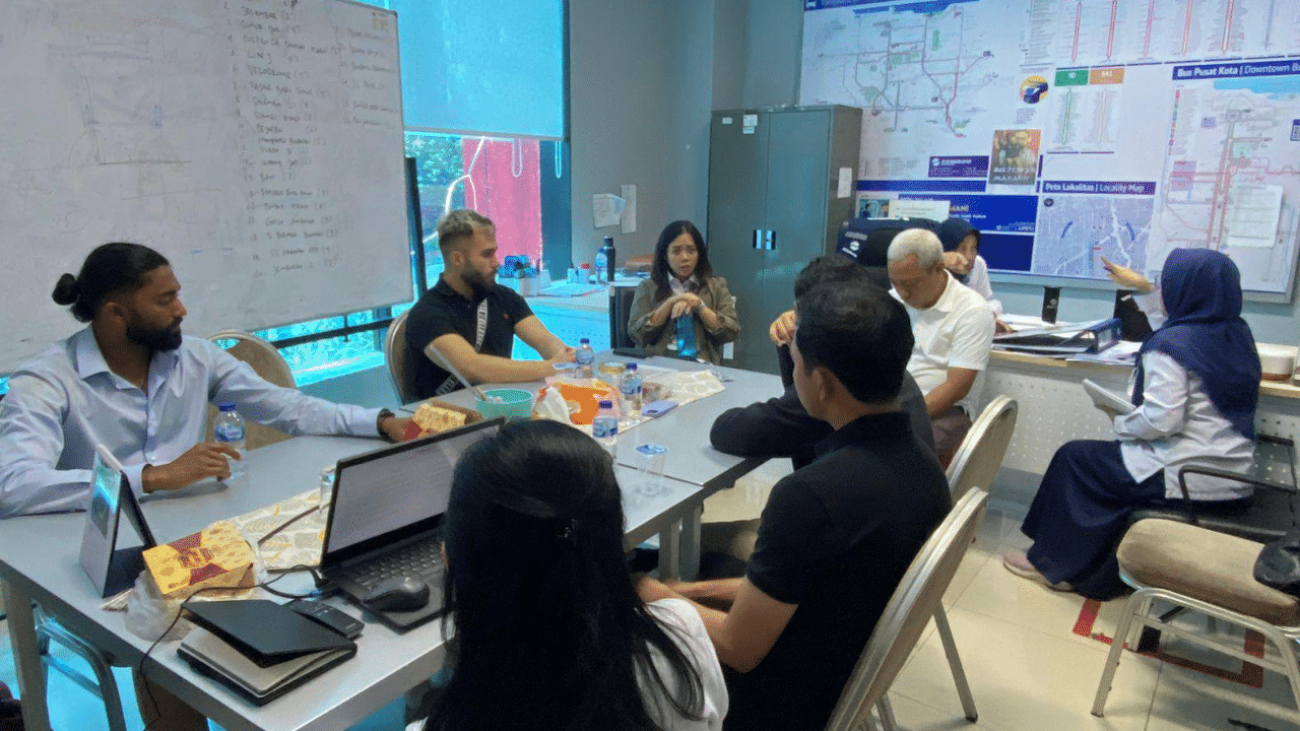
Photo by Janosch Diggelmann on Unsplash

The European Union has indeed made significant strides in acknowledging the vital role played by whistleblowers. A pivotal development in this regard is the enactment of the EU Whistleblower Directive.  

The primary objective of this directive is to encourage EU Member States to establish resilient mechanisms that facilitate confidential reporting of regulatory violations by whistleblowers in both the public and private sectors. The directive seeks to shield these individuals from any form of retaliation. 

Following the directive’s implementation, EU Member States are mandated to integrate these provisions into their national legal frameworks, ensuring effective whistleblower protection. For instance, Germany has introduced the HinSchG, which imposes stringent confidentiality and anonymity requirements on organizations dealing with whistleblowing cases. 

It’s important to note that the impact of the EU Whistleblower Directive transcends the borders of the European Union, even reaching Swiss businesses.


Whistleblower Protection in Switzerland 

Switzerland, known for its numerous multinational corporations, especially in finance, pharmaceuticals, and technology sectors, is currently considering the implementation of robust whistleblower protection laws, particularly pertinent when they collaborate with entities in EU Member States or operate within the EU’s jurisdiction. In such cases, Swiss companies may be required to provide whistleblower protection in line with the HinSchG and other EU regulations. 

Several Swiss cantons have adopted legal frameworks designed to protect whistleblowers in the context of public institutions. The most recent addition to this list is Geneva, Switzerland’s second-most populous city. Through the implementation of the Loi sur la protection des lanceurs d’alerte au sein de l’Etat (LPLA) (12261), the cantonal government has established specialized protections for all public institution employees reporting wrongdoing. These measures shield whistleblowers from potential professional retaliation. To further support individuals who come forward, the government has established an independent body called the Groupe de Confiance (GDC). 

In addition, anonymous reporting channels have been created to ensure the safety of whistleblowers and foster their trust. These channels allow whistleblowers to report wrongdoing while maintaining complete anonymity. In cases where individuals believe their anonymity has been compromised and they face adverse professional consequences, they have the option to contact the GDC or the designated protective body mandated by their employer or governing authority, provided they reveal their identities. 

The establishment of effective whistleblowing systems and protections is not just a matter of legality but also a reinforcement of an organization’s overall integrity and long-term sustainability. This, in turn, enhances the company’s reputation among stakeholders, including customers, investors, and employees. 

This publication is authored by and reflected the views and opinion of PT Integrity Indonesia. More information about PT Integrity Indonesia is available on www.integrity-indonesia.com.
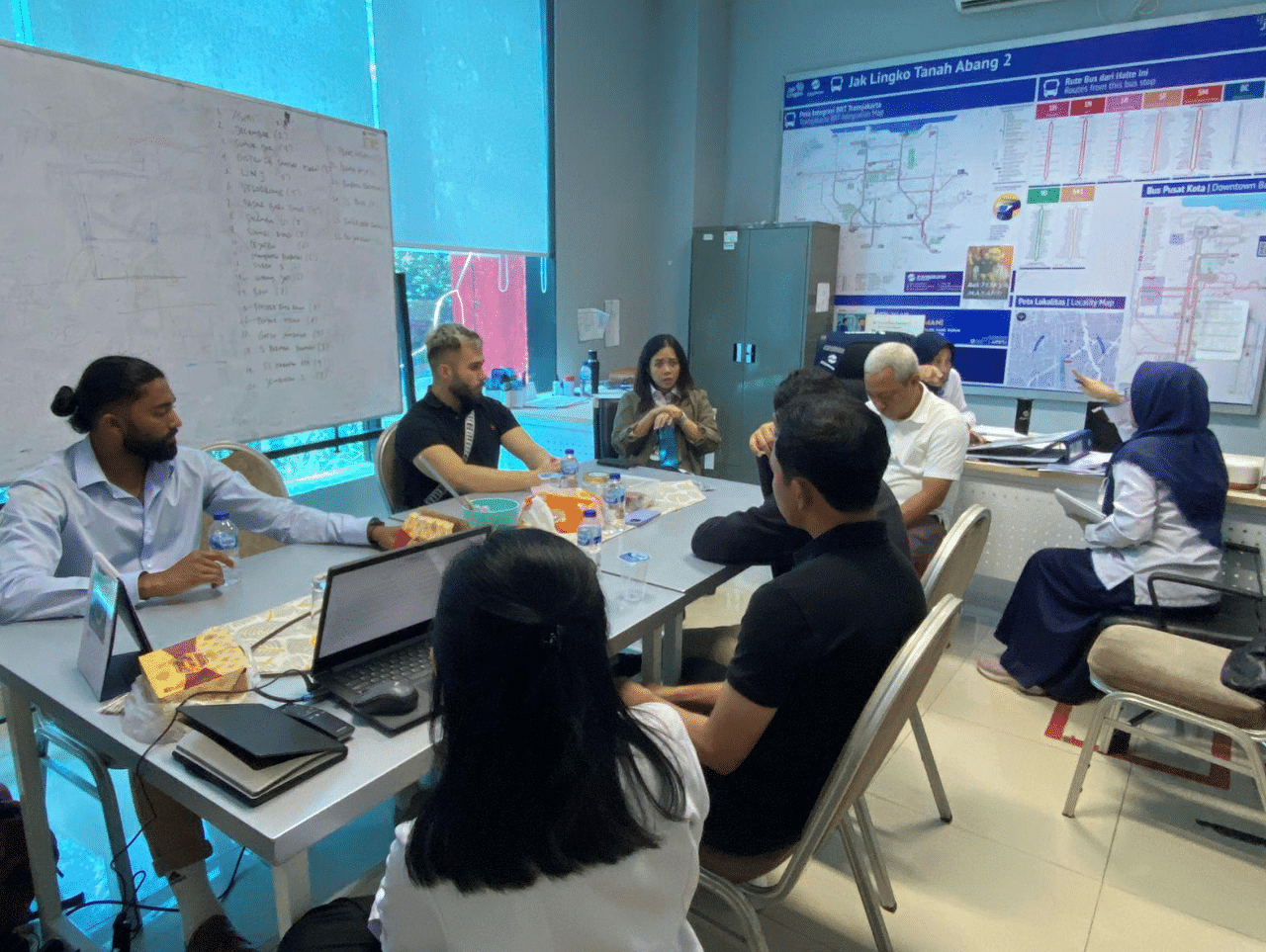
image-20230926235735-1

Real-world Projects, Meaningful Impact with International Internships

image-20230926235735-1 image-20230926235819-2

This publication is authored by International Internships. More information about International Internships is available on www.internationalinternships.com.au

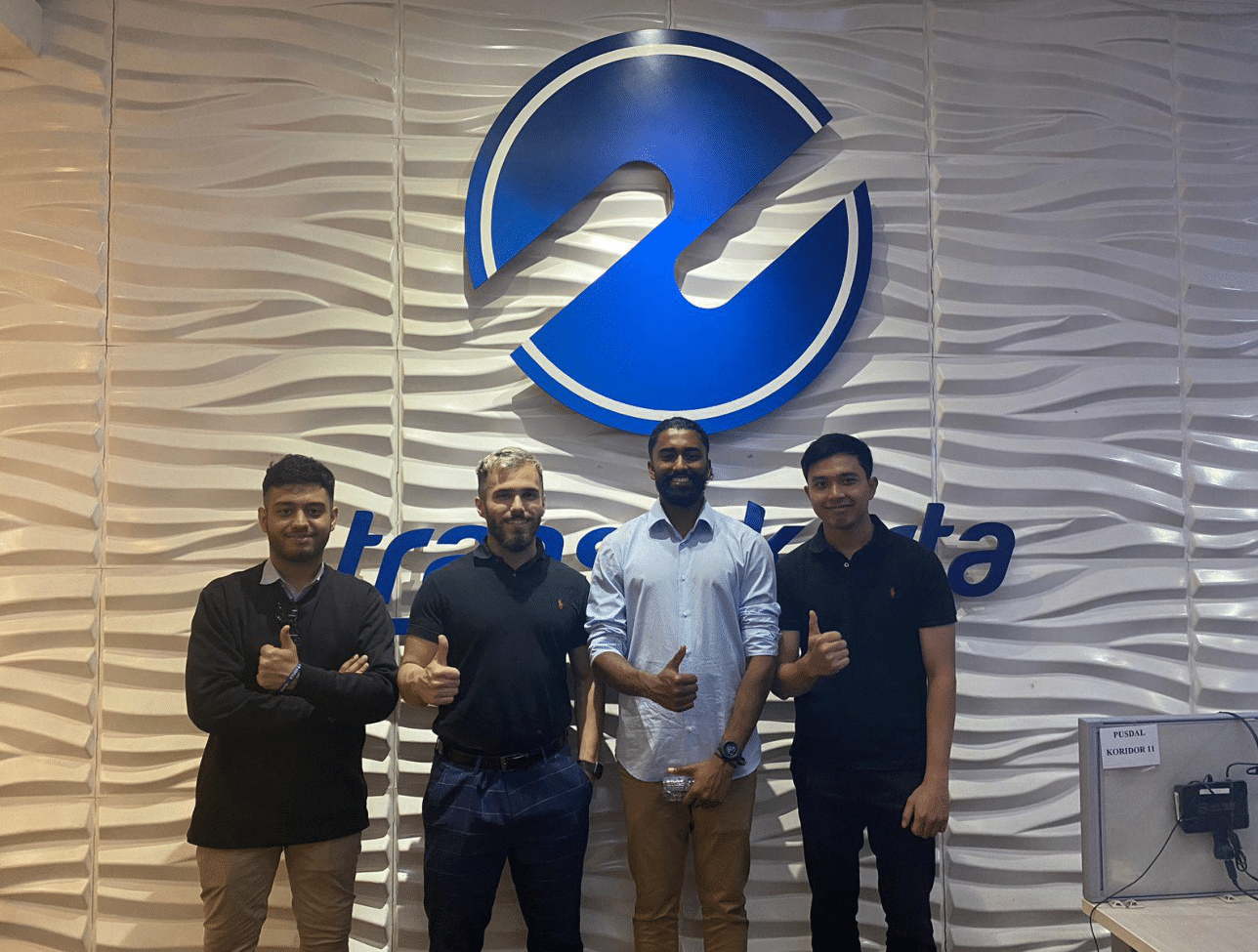
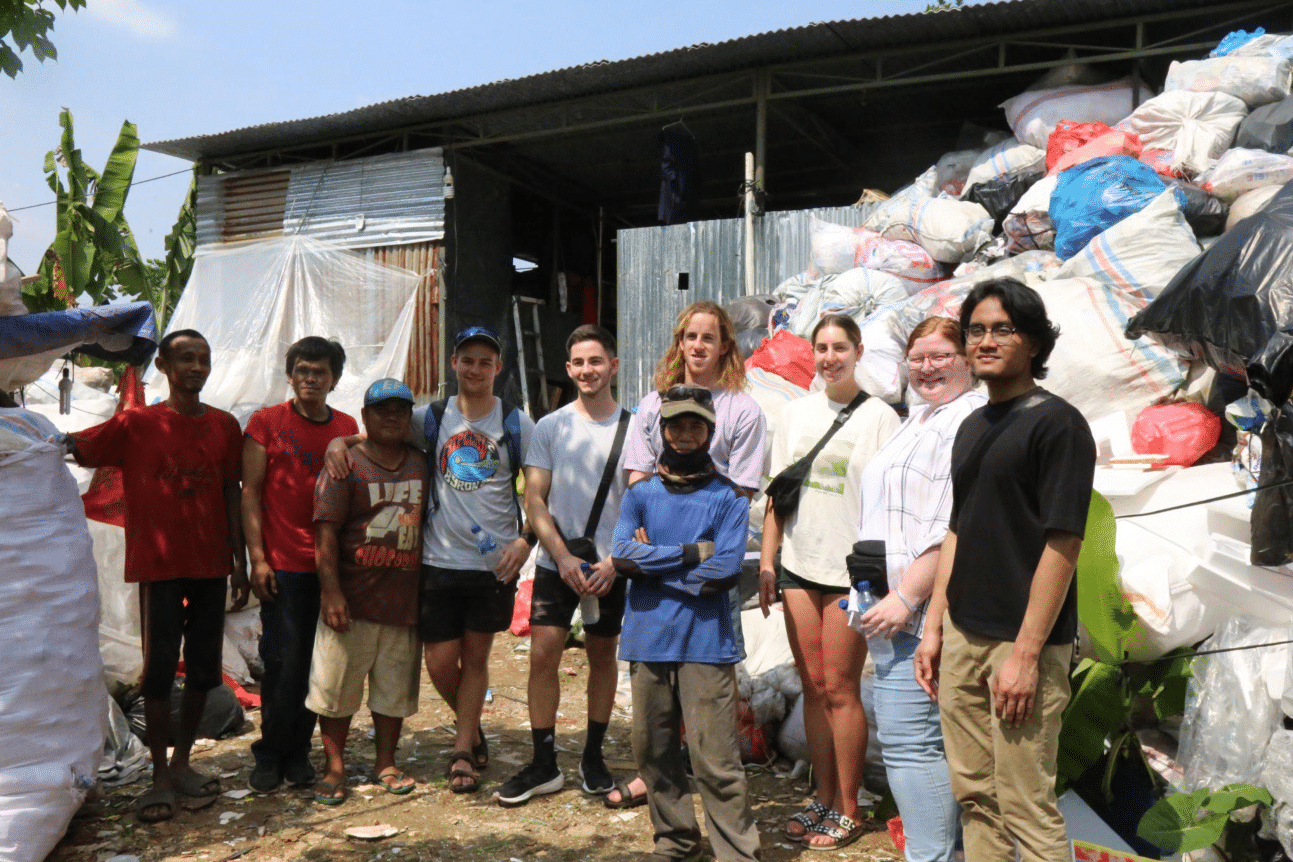
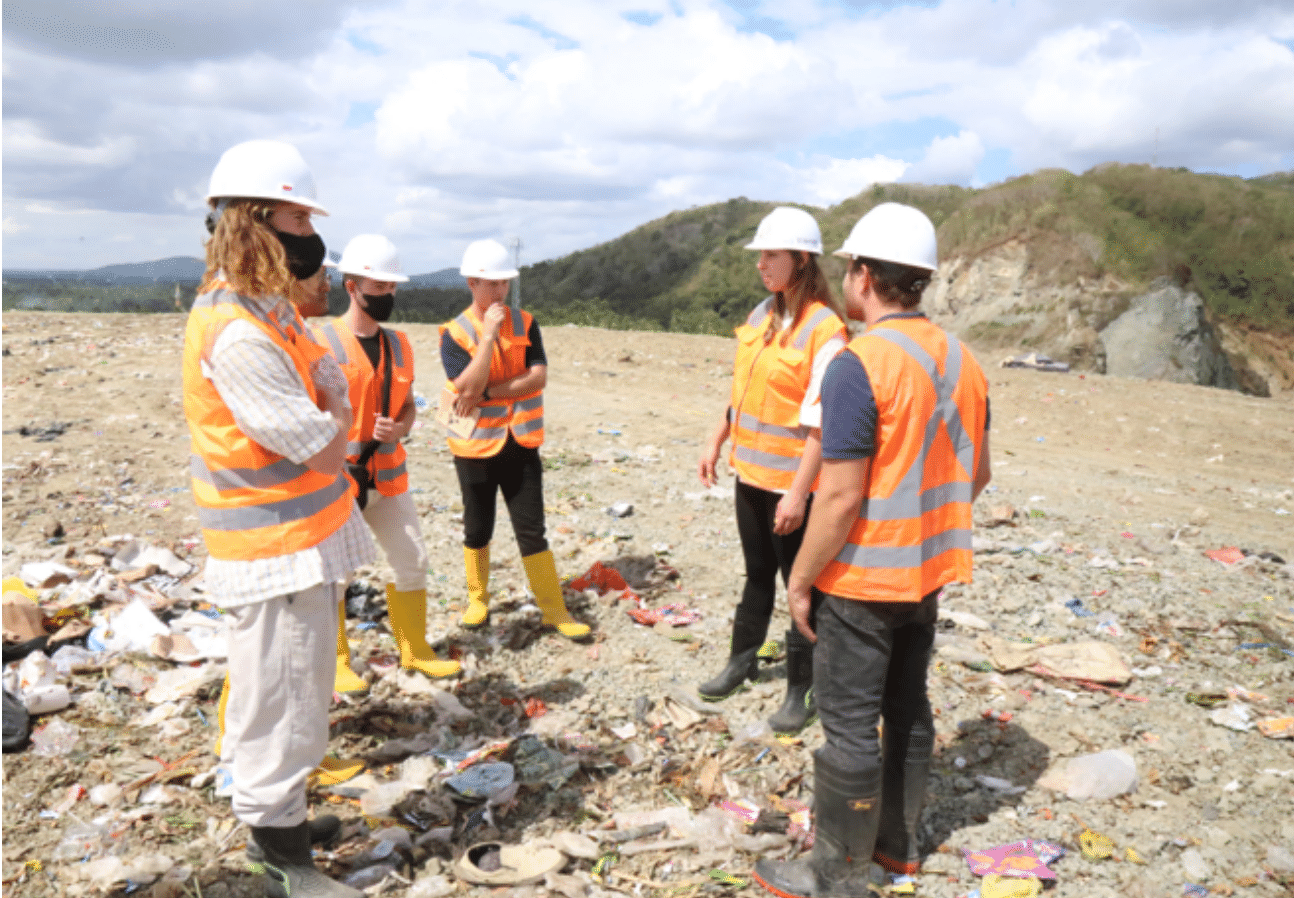
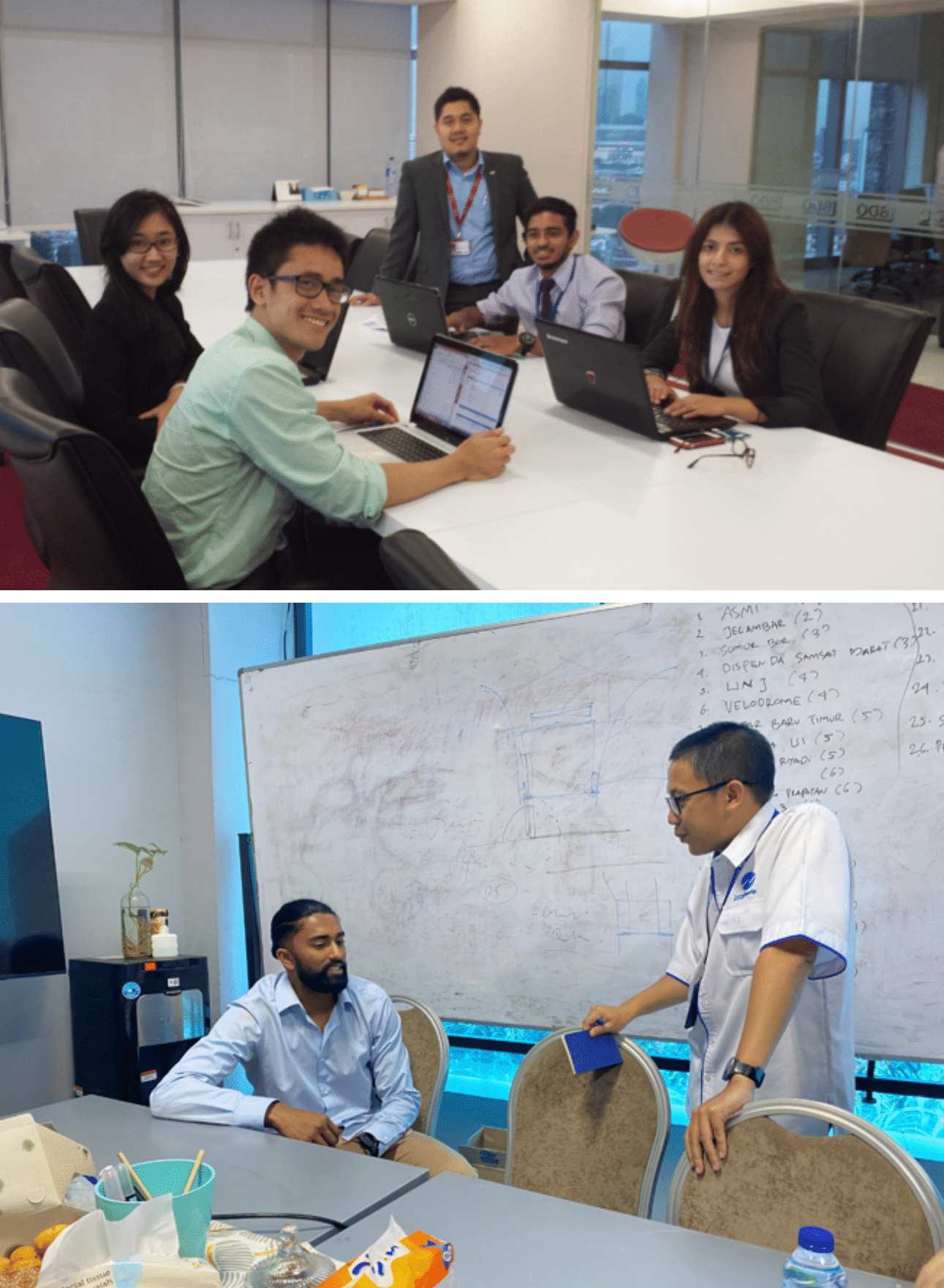
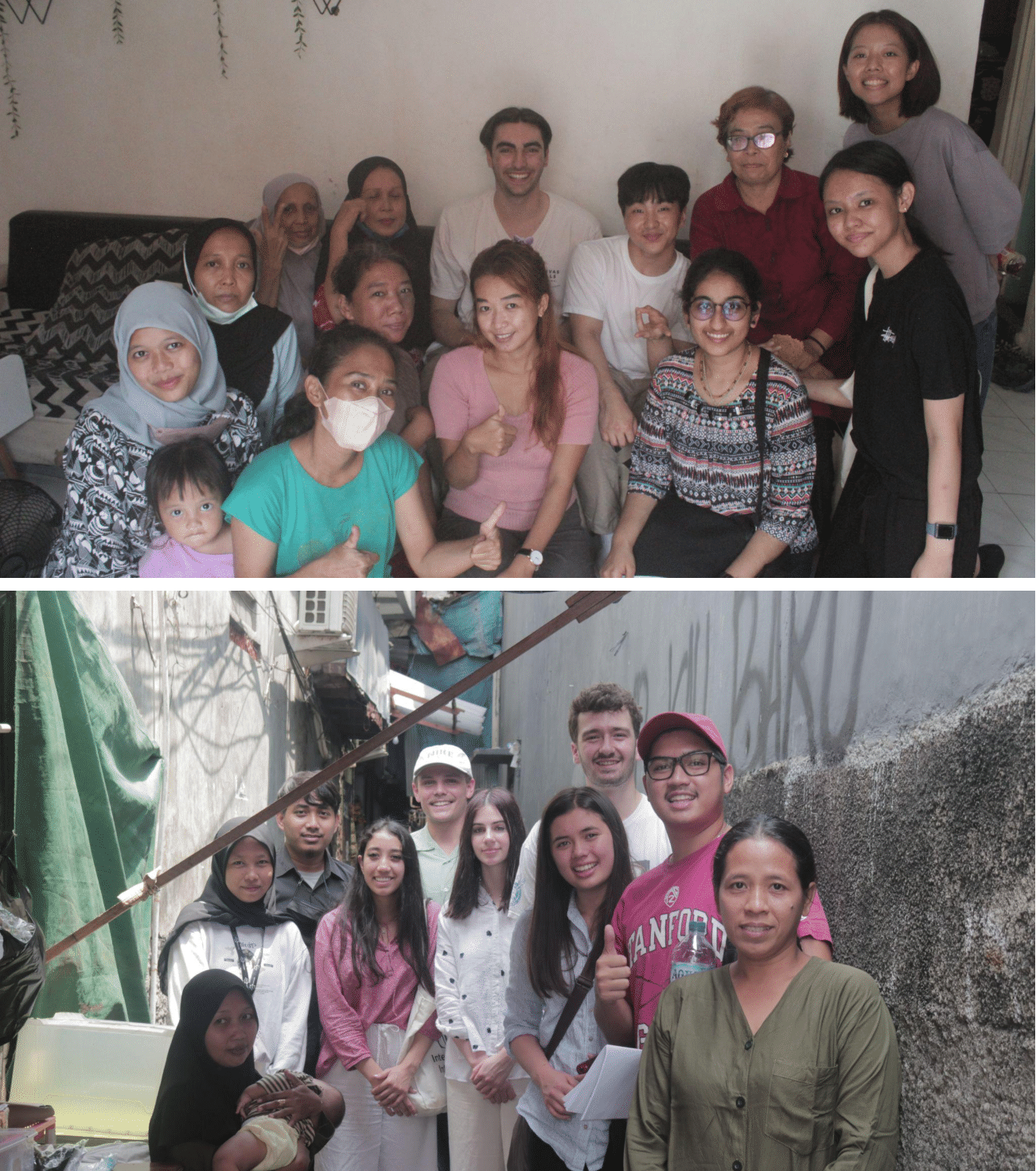
International Internships organises internships and study intensives with host organisations in Indonesia, for Australian university students across all subject areas. We work with individual students, as well as educational institutions, commercial organisations, and NGOs, to facilitate internships, study intensives, immersion and unit-based programs, along with providing career mentoring, professional skills development, cross-cultural communication and language training.

Join Us as A Host

Joining our network of host organisations gives your organisation the opportunity to welcome and work with high calibre Australian and Indonesian interns. We facilitate both online and in-country internships to cater the different needs of work setting in your organisation. Our interns are from top universities in Australia and Indonesia. Our team conducts initial interviews and only selects engaged and enthusiastic candidates that will make a great contribution to our partners. The internship and intensive programs that we create have received long-standing support from the Australian government with funding provided though New Colombo Plan grants.

Types of Internships that We Arrange

image-20230927000217-5 image-20230927000302-6 image-20230927000426-7

We work across a wide range of industries and sectors, with big and small businesses, divisions of corporate multi-nationals, Indonesian and Australian government agencies, universities, nonprofits, and NGOs. Previous hosts have included MRT Jakarta, BTPN Syariah, Transjakarta, Garuda Indonesia, Ogilvy & Mather, Indonesia Corruption Watch, Edelman Indonesia, Badan Riset dan Inovasi Nasional (BRIN), Indonesia Australia Business Council, Lippo Karawaci, HOPE Indonesia, Grab Indonesia, Yayasan Cinta Anak Bangsa, Moonshot Ventures, Surbana Jurong, University of Indonesia, Yayasan Lembaga Bantuan Hukum Indonesia, AECOM, BlueScope Steel, the Eijkman Institute for Molecular Biology and many, many more.

The participants for our online and in-country internships, as well as the study intensives, come from a range of study areas and skill-sets, including:

  • Business disciplines like accounting, finance and management
  • Economics, trade and international relations
  • Engineering (mechanical, civil, automotive and aeronautical)
  • Media, communications, PR and creative services
  • Health, medical and science fields
  • Arts and law

Contact Us

Have further questions? Drop us an email at indonesia@internationalinternshps.com.au
or fill out this form and we will contact you as soon as possible.

image-20230926235941-3 image-20230927000005-4

image-20230927154844-1

Revitalization of Sustainability: Indonesia Sustainability 4.0 Network Connecting Corporates and SMEs through Visionary Collaborative Efforts

image-20230927154844-1

  • The Indonesia Sustainability 4.0 Network connects corporates and small to medium enterprises, with a focus on sustainable development. These efforts are aligned to the SDGs, mainly, promoting women leaders in sustainability (SDG 5), improving access to clean water (SDG 6), clean energy transition/net zero (SDG 7), as well as reduction and/or reuse of plastic (SDG 12).
  • This initiative has a significant impact on Indonesia by driving economic growth, preserving the environment, and advancing social progress, promising a lasting positive influence on the nation’s landscape.

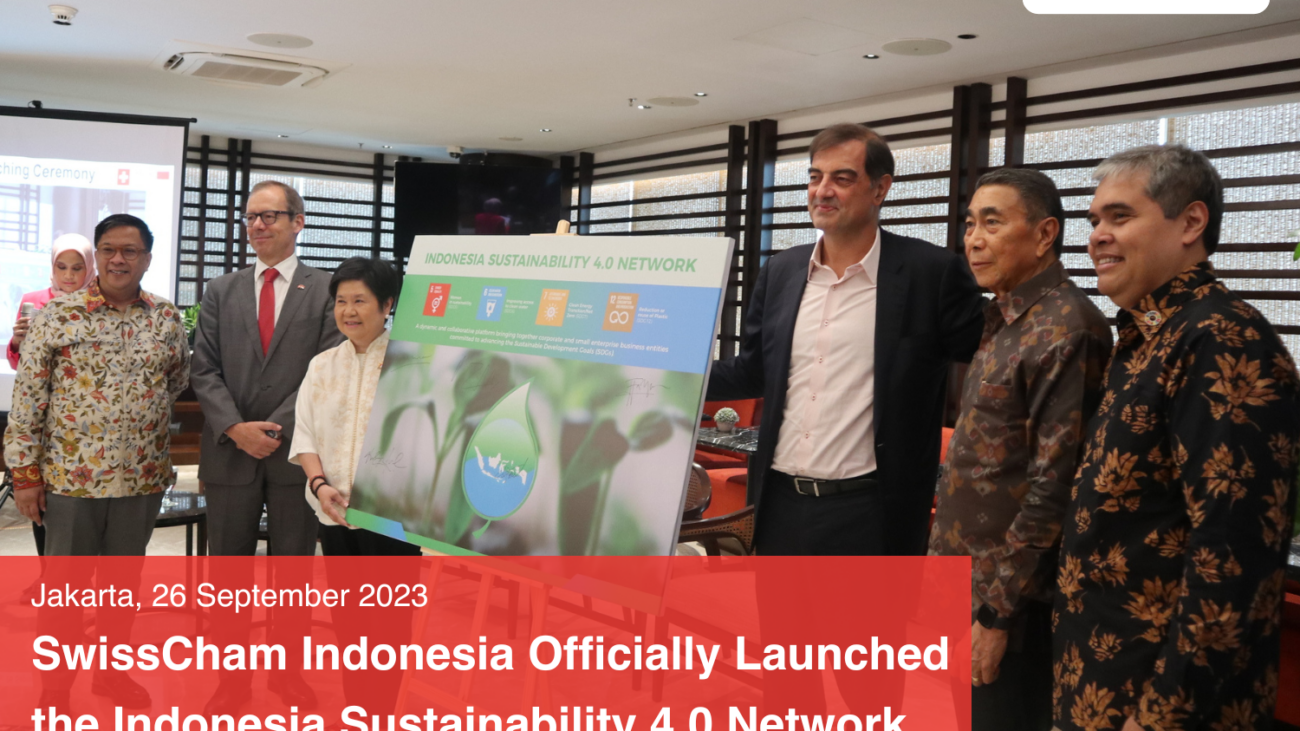
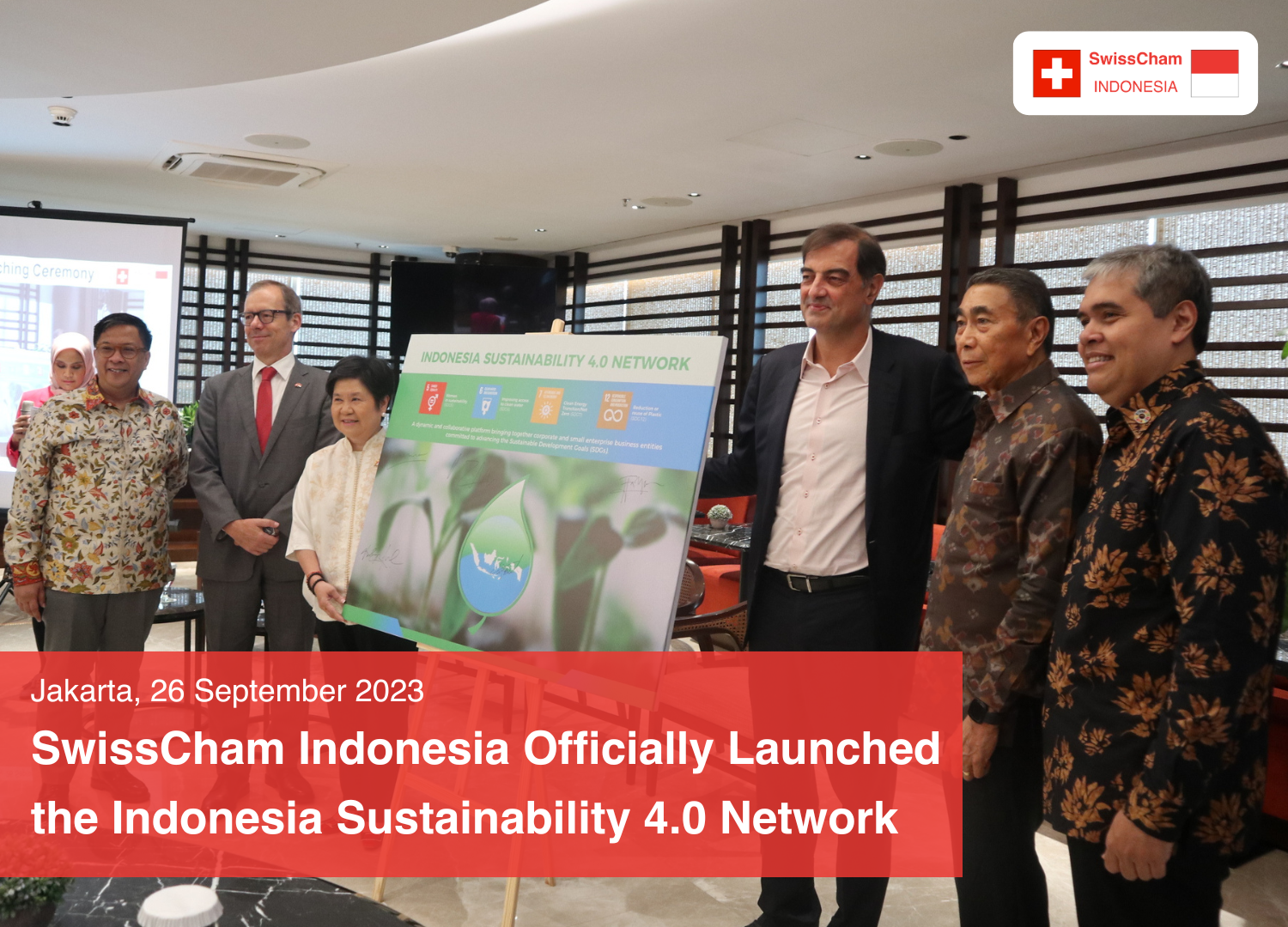
Jakarta, September 26, 2023 The Swiss-Indonesia Chamber of Commerce (Indonesia SwissCham) officially launched the Indonesia Sustainability 4.0 Network today at the Indonesian Chamber of Commerce and Industry (KADIN) Lounge (26/09/2023). The launch ceremony was attended by distinguished guests, including H.E. Olivier ZEHNDER, Ambassador of Switzerland to Indonesia, Timor Leste, and ASEAN, Yanuar Nugroho, Ph.D., Coordinator of the National Secretariat Expert Team for SDGs, Arsjad Rasjid, Chairman of KADIN who virtually provided a keynote speech, Catharina Widjaja, Chair of international relations of APINDO, and Christophe Piganiol, Head of Indonesia SwissCham’s Sustainability and Innovation Sectoral Group and President Director of PT Anugerah Pharmindo Lestari, and distinguished guests.

Around 90 companies and SMEs demonstrated their unwavering support and commitment to the Indonesia Sustainability 4.0 Network by participating in the ceremony and the pledge signing as its launching symbolic. This symbolic act signifies their dedication to sustainability and their visionary approach to collaboration.

The network will feature comprehensive and continuous programs, including educational sessions, training, workshops, project collaboration, and matching business needs. Indonesia Sustainability 4.0 Network will facilitate activities and initiatives related to the above-mentioned SDGs, including but not limited to recognition through awards programs, knowledge sharing, networking events, and collaborative projects. Bolstered by an unwavering commitment from all stakeholders, this network stands as a testament to the unyielding dedication towards sustainable development in Indonesia.

The outcomes of these activities will manifest in collaborations that drive positive and bigger impacts in four key areas: promoting women leaders in sustainability (SDG 5), enhancing access to clean water (SDG 6), advancing clean energy transition, and achieving net-zero emissions (SDG 7), as well as reducing and reusing plastic (SDG 12).

“Collaboration between all sectors, including civil society (academia, etc.), public sector, and the state is not only necessary but urgent to successfully achieve the universal 2030 SDG goals,” said H.E. Olivier Zehnder, Ambassador of Switzerland to Indonesia, Timor Leste and ASEAN.

Chairman of KADIN Indonesia, Arsjad Rasjid, who virtually provided remarks at the launching ceremony of the Indonesia Sustainability 4.0 Network, said that “today marked a significant stride forward for Indonesia and Switzerland as we inaugurate the Indonesia Sustainability 4.0 Network. The Swiss-Indonesian relationship, built on the shared principle of neutrality and prosperity of our people, serves as a testament to the possibilities when two great nations collaborate.”

Chairwoman of Indonesia Employers Association (APINDO) and Coordinating Vice Chairwoman III of KADIN Indonesia, Shinta Kamdani, also said that “sustainability is not a solo journey. Sustainability success can be supercharged through collective action, which is the key to a sustainable future. It is about shared responsibility, how we all work collectively, building networks, and action-oriented collaboration among industries as the implementation of SDGs 17: Partnership for the Goals. This network is the extended initiative of B20 Sustainability 4.0 Awards along with other partners with the objective of accelerating the implementation of SDGs. Through this network, KADIN, as the voice of business sectors, is committed to being part of the solution to bridge the substantial gap of the required funding to implement the SDGs.”

‘The concept of establishing the Indonesia Sustainability 4.0 Network is rooted in the unwavering commitment of the B20 Sustainability 4.0 Awards committee, a prestigious event held in the preceding year, which saw the participation of over 700 individuals from corporations and SMEs. Many SMEs possess brilliant ideas but lack funding and opportunities to scale, resulting in limited impact. Conversely, corporations have platforms and substantial funding. With this platform, we hope to bridge the gap and create an even more significant impact.’ said Christophe Piganiol, Chair of the Indonesia Sustainability 4.0 Network, serving as Head of Sustainability & Innovation at Indonesia SwissCham and the President Director of PT Anugerah Pharmindo Lestari.

As an example of such a collaboration, Lazada Logistics, the Winner of the SDG 12 Category from last year’s B20 Sustainability 4.0 Awards, has launched a Sustainability Academy with several key partners for their ecosystem of sellers. During the launch ceremony, Lazada Logistics signed an MoU with Modalku to be the financing partner for the Sustainability Academy, which aims to cultivate sustainable growth in the digital commerce ecosystem by empowering SMEs with the necessary mindset and knowledge to future-proof and transform their business towards sustainability.

The Indonesia Sustainability 4.0 Network extends a warm invitation to businesses of all sizes and industries to join this transformative movement. By becoming part of this community, your company can actively shape a future where sustainability prevails, prosperity knows no limits, and Indonesia emerges as a shining example of responsible and visionary leadership.

For further information and inquiries, please contact awards@swisscham.or.id or visit www.indonesiasustainability.com


ADVANCING SUSTAINABLE DEVELOPMENT IN INDONESIA: FOCUSING ON GOALS 5, 6, 7, AND 12  by Yanuar Nugroho, Expert Coordinator, National Secretariat for SDGs Implementation, Ministry of National Development Planning

ip-2_0

Collaboration between Directorate General of Intellectual Property (DGIP) and Swiss Cham Indonesia to Tackle the Rise of Counterfeit Products

SwissCham - DGIP


Tuesday, 19 September 2023
Jakarta – In the current era of globalization, increasingly advanced digital developments have provided convenience and comfort in meeting basic human needs. One of them is changing people’s habits from offline shopping to online. However, the increasing number of online transactions is directly proportional to the massive circulation of fake products on e-commerce platforms.

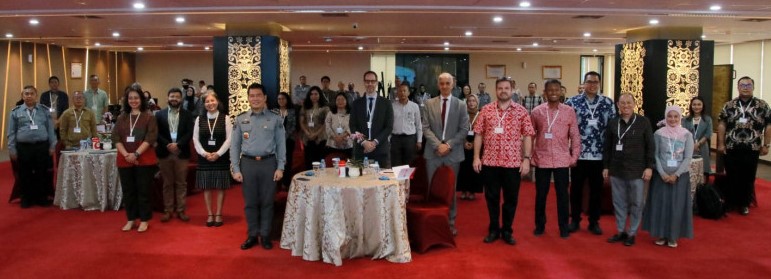
As a form of law enforcement in eradicating counterfeit goods, especially violations of intellectual property (IP) products in Indonesia, the Directorate General of Intellectual Property (DGIP) of the Ministry of Law and Human Rights of the Republic of Indonesia is collaborating with the Swiss-Indonesia Chamber of Commerce (Indonesia SwissCham).

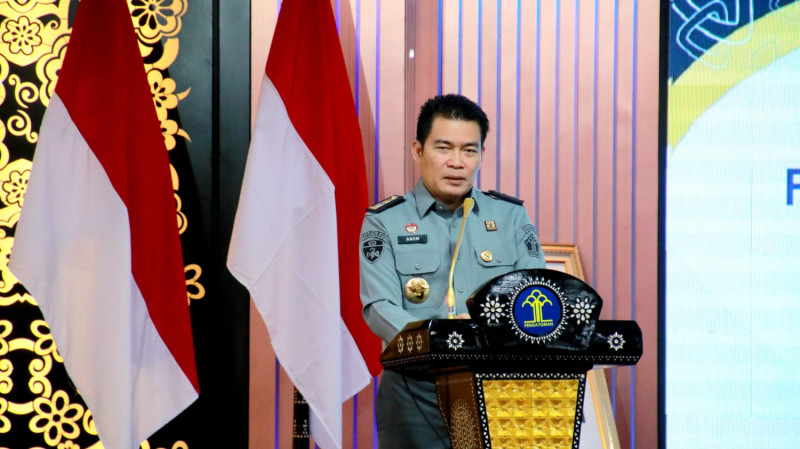
Director for Investigations and Dispute Settlement of Intellectual Property, Brigjen Pol Anom Wibowo, welcomed dialogues with businesses to share knowledge and experiences with the IP Task Force.

SwissCham - DGIP

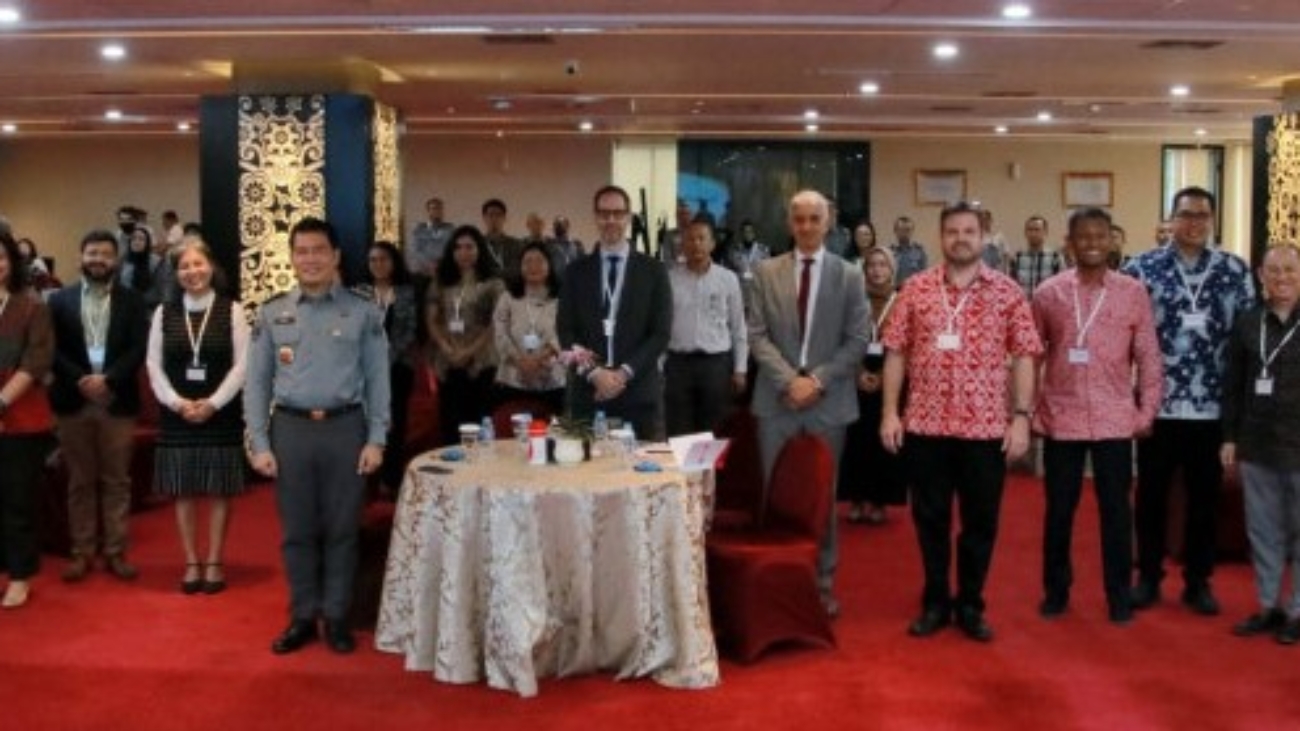
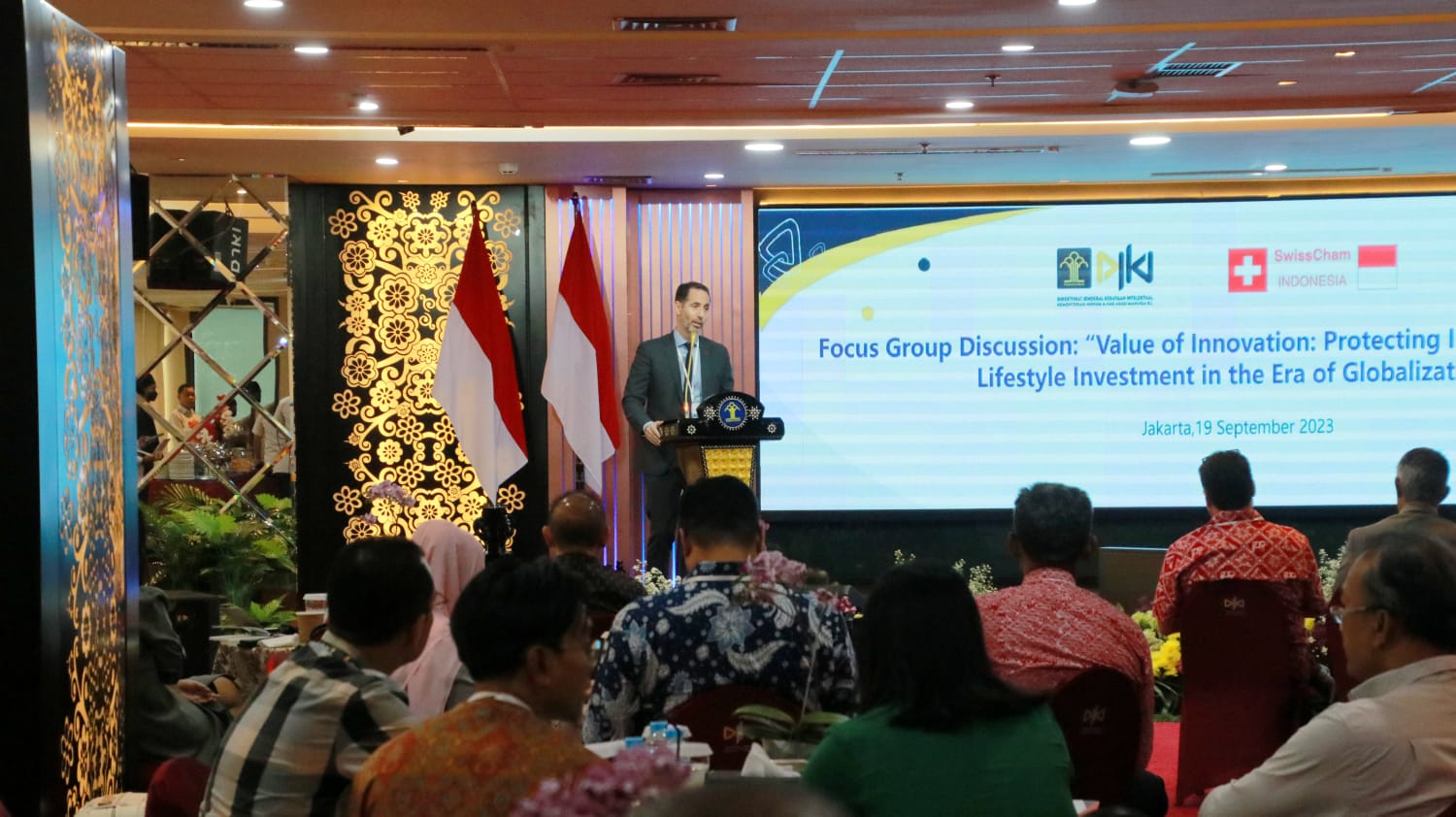
“DGIP is highly committed to protecting Indonesia’s intellectual property by forming a National IP Task Force, which was initially formed with five agencies in 2021,” said the Director of Investigation and Dispute Resolution, Anom Wibowo, in his remarks at the Focus Group Discussion (FGD) with the theme “Value of Innovation: Protecting IP of Lifesaving and Lifestyle Investment in the Era of Globalization” which was held at the Oemar Seno Adji Hall on Tuesday, 19 September 2023.

At the initial formation, five agencies members of the IP Task Force are: 
1. Criminal Investigation Agency (Bareskrim) of the National Police of the Republic of Indonesia (Polri), 
2. Directorate General of Customs and Excise – Ministry of Finance of the Republic of Indonesia,
3. Ministry of Communication and Information Technology, 
4. Drug and Food Control Agency (BPOM).

In its development, five task force members were added, including the Ministry of Trade, the Ministry of Health, the Ministry of Education, the Ministry of Foreign Affairs, and the Attorney General’s Office.

“Aside from aiming to protect Indonesia from the rise of counterfeit products, the National IP Task Force will also overcome the challenge of Indonesia in exiting the Priority Watch List (PWL) status, which will endanger Indonesia’s reputation in the eyes of foreign investors,” added Anom.

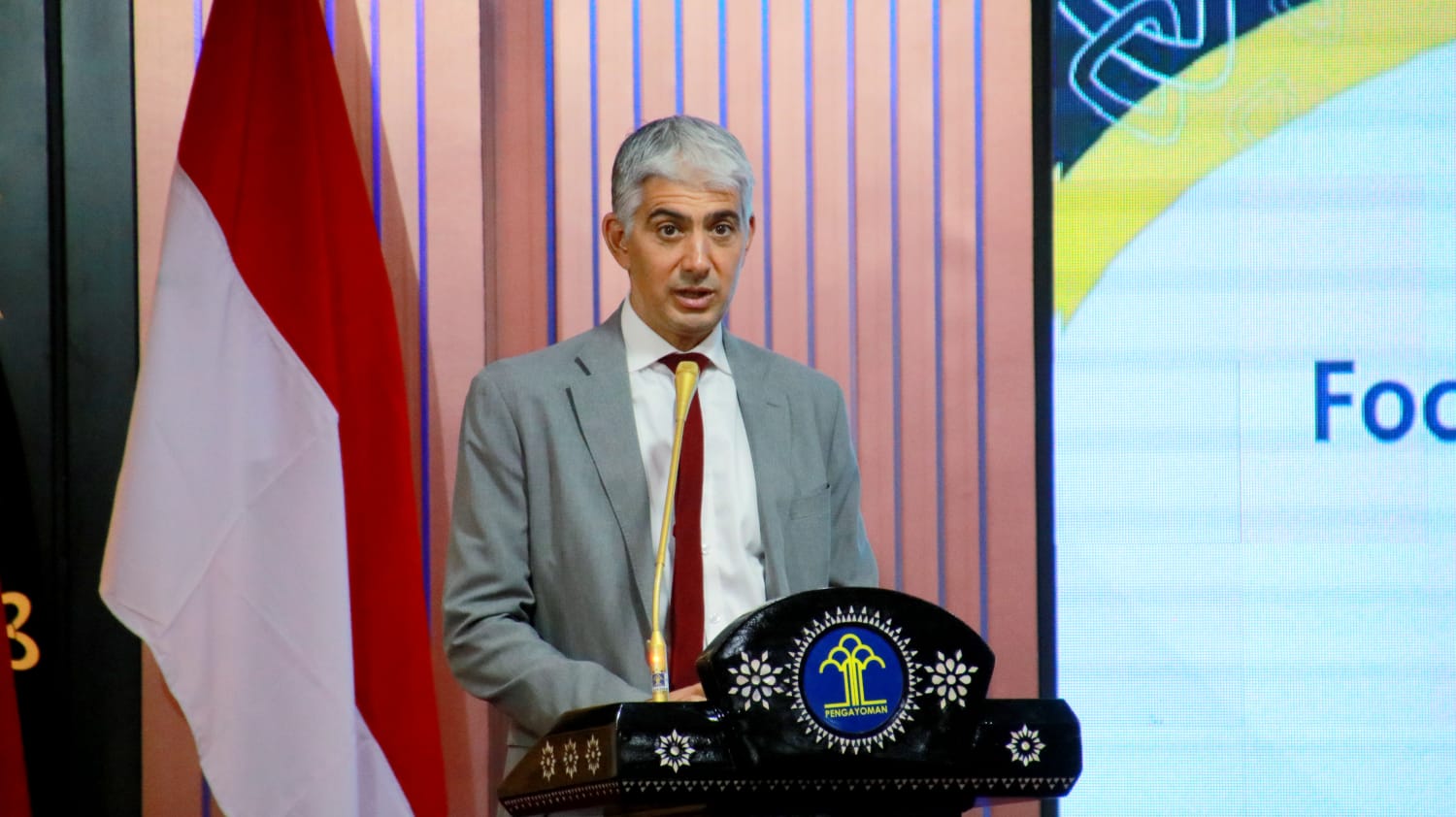
In line with this, Philippe Strub, Deputy Head of Mission of the Embassy of Switzerland in Indonesia, supports the enforcement of IP protection in Indonesia.

SwissCham - DGIP

“Switzerland is a country synonymous with intellectual property, so we value individual creative ideas as intangible assets that must be protected,” said Phillippe. 

For the past 12 years, Switzerland has been ranked first in the Global Innovation Index published by the World Intellectual Property Organization (WIPO). Therefore, the Swiss community in Indonesia supports the IP Task Force led by DGIP to enhance synergy between government agencies on IP protection and law enforcement in Indonesia.

On the same occasion, Khalid Ibrahim, Head of the Ease of Doing Business Sector Group at Cham Swiss Indonesia and President Director of Novartis Indonesia, also congratulated and commended the establishment of the National Intellectual Property Task Force.

SwissCham - DGIP

“Congratulations on the establishment of the National IP Task Force, which has committed to enforcing the law on IP violations. We, Indonesia SwissCham, will also contribute to protecting IP in Indonesia together with other stakeholders,” said Khalid.

The insightful discussion on protecting consumers from counterfeit products was participated by the Chairman of Indonesia SwissCham, Dr. Henry Chia.

The productive engagement with other SwissCham members during the discussion succeeded the event, as it was moderated by Edouard Helfand, Deputy of Indonesia SwissCham’s Ease of Doing Business Sectoral Group and Managing Director of PT Integrity Asia, together with speakers; Sahat Sagala, Head of Technical Team I of the Directorate of Drug Investigation and Food of BPOM, Pankaj Aseri, Novartis Global Security Anti Falsified Medicine South East Asia and India, and Sally Zulmadjdi, Legal and Compliance Director of Nestlé Indonesia. 

Heartfelt thank you from Indonesia SwissCham to DGIP and other agencies BPOM, National Police, Attorney General’s Office, the Ministry of Health, the Presidential Office, and esteemed members of Indonesia SwissCham for sharing valuable insights and feedback. 

We hope the event serves as a stepping stone for further cooperation and dialogues between the IP Task Force and Indonesia SwissCham.

1

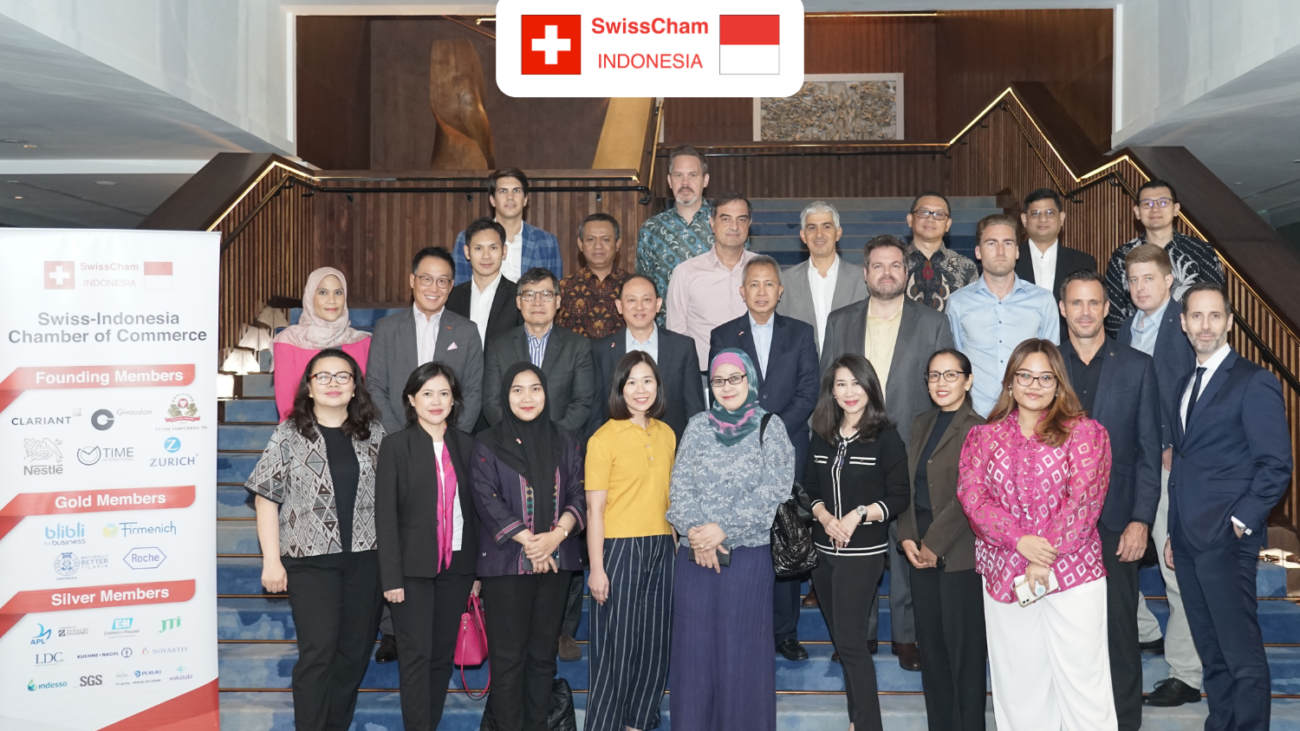
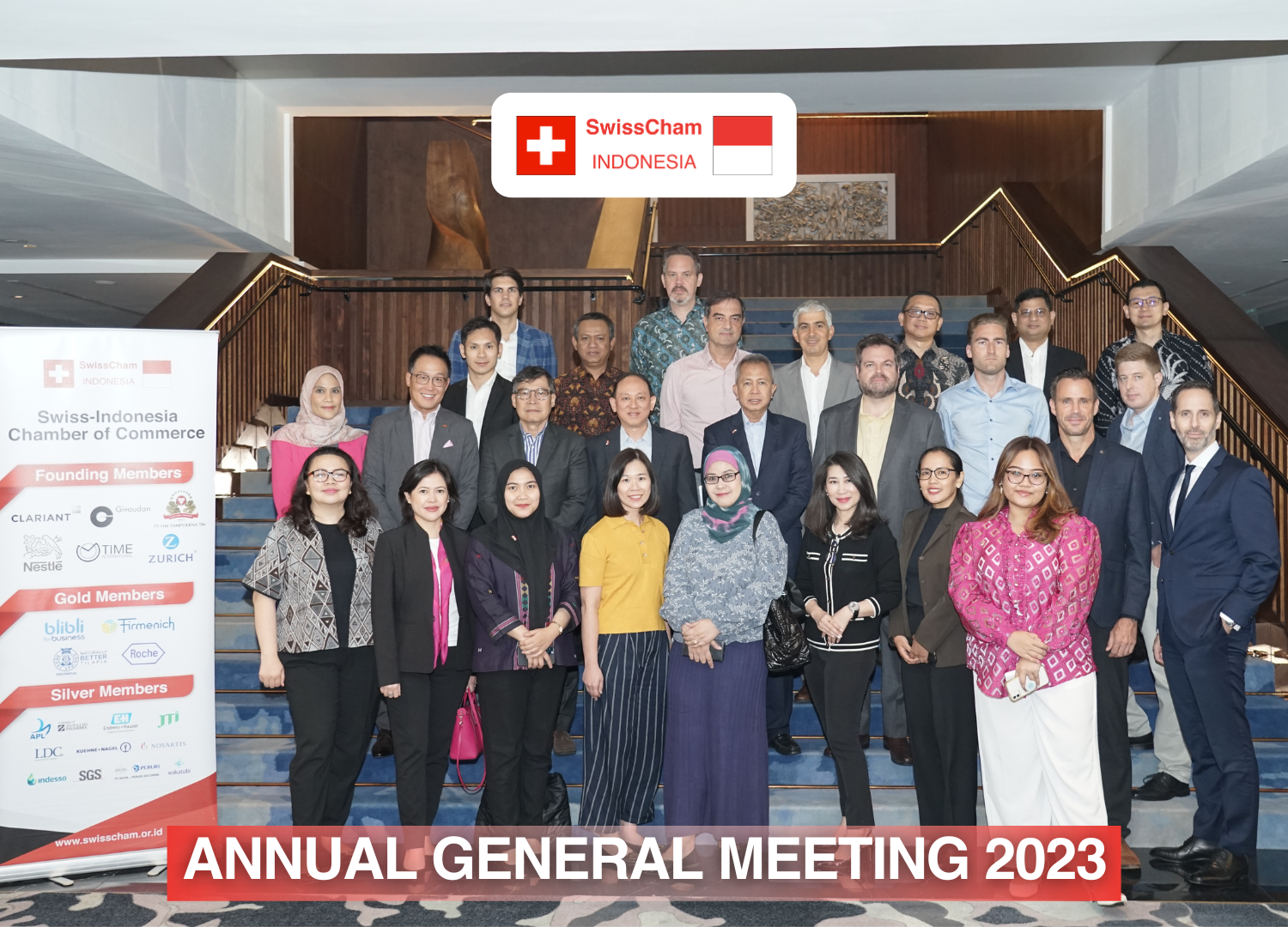
SwissCham Indonesia 2023 Annual General Meeting


AGM


14/09/2023 – St. Regis Hotel, Jakarta.

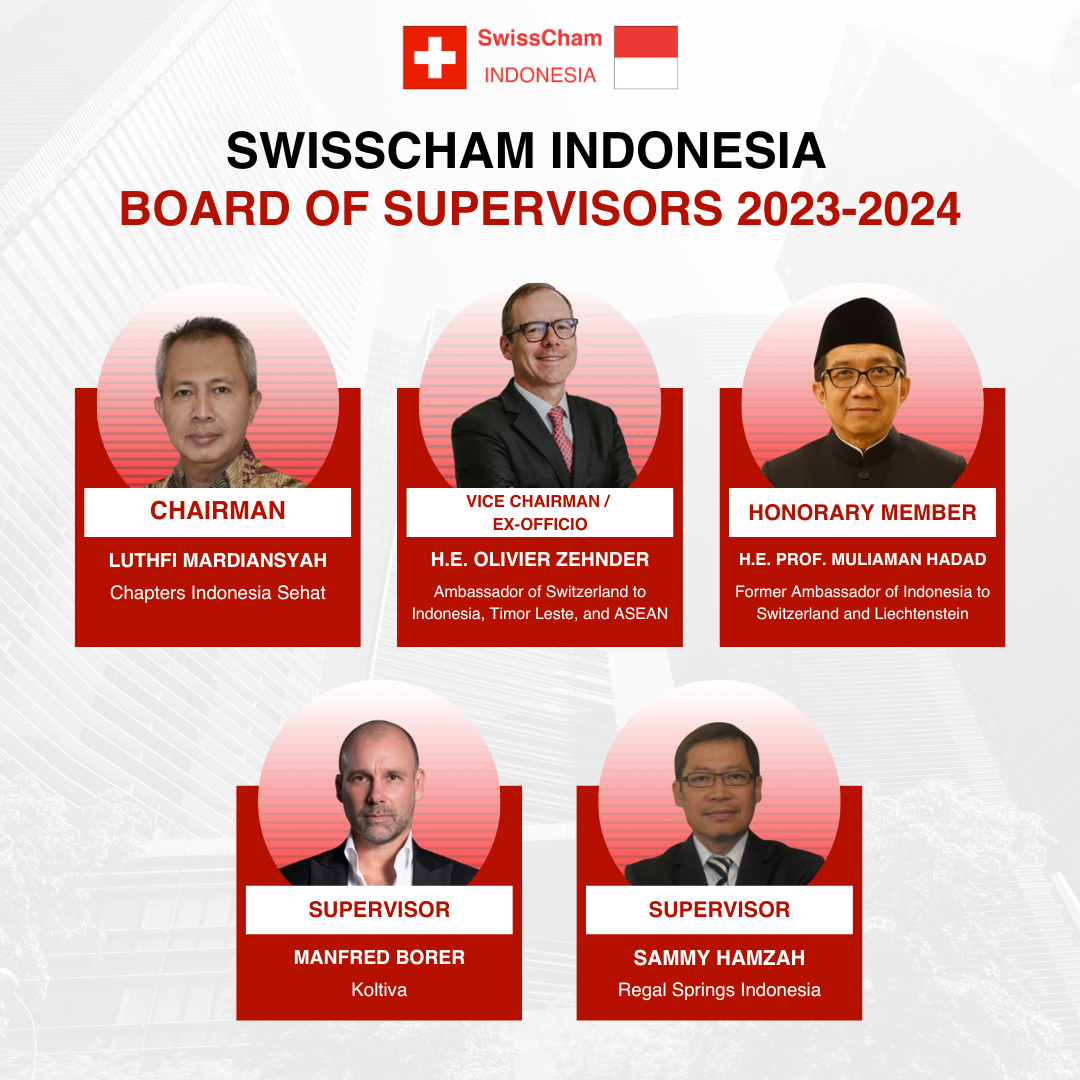
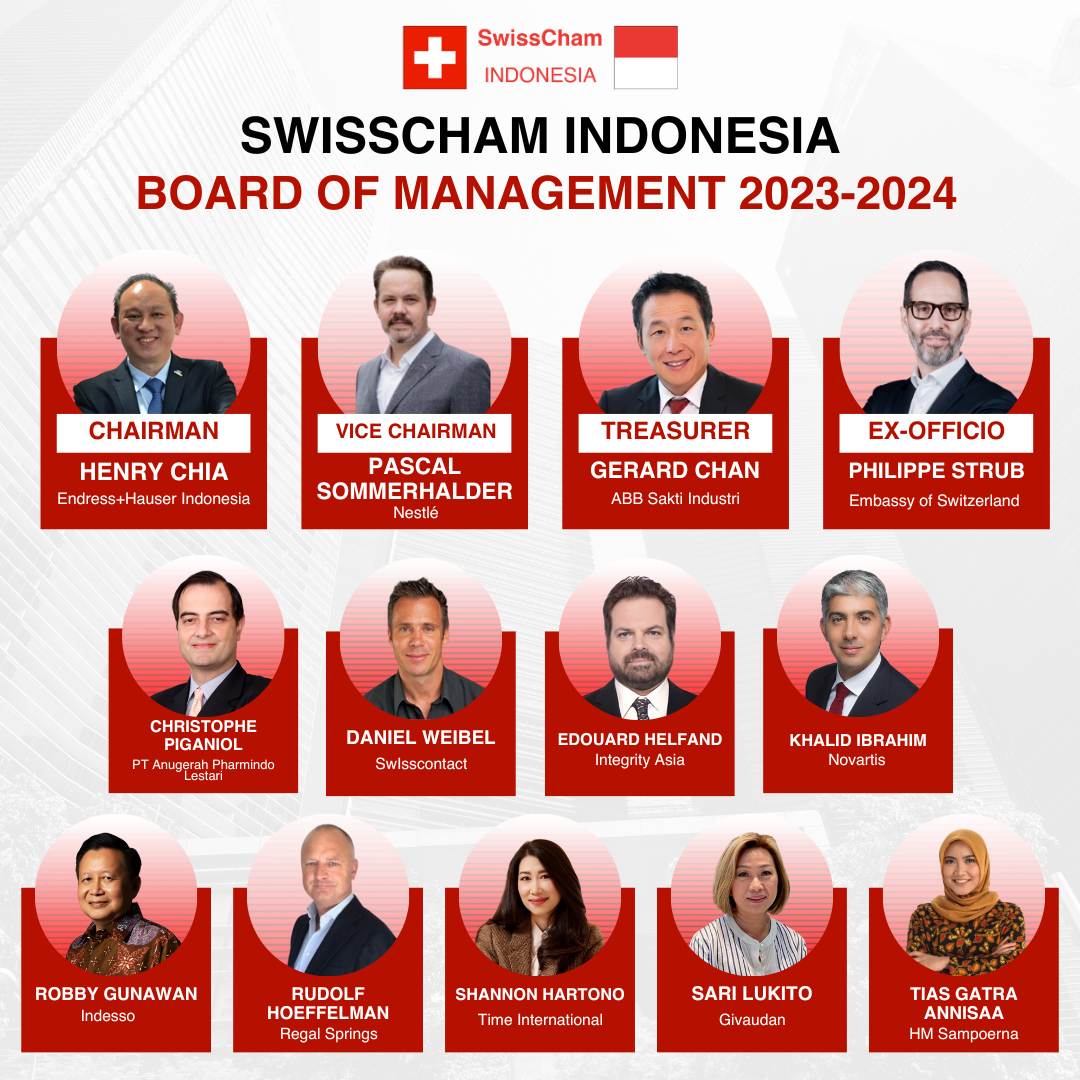
Chaired by Indonesia SwissCham Chairman, Mr. Henry Chia, the AGM approved and endorsed Indonesia SwissCham Annual Report 2022/2023 and appointed the Board of Supervisor and the Board of Management for 2023/2024.

We extend our most profound appreciation and gratitude to our esteemed members for their strong support and commitment to our chamber. Together, we grow and make a positive impact on the bilateral trade and investment between Switzerland and Indonesia.

With the successful Annual General Meeting, we are pleased to announce the following Indonesia SwissCham’s new board composition.

Board of SupervisorBoard of Supervisor


Indonesia SwissCham expresses sincere gratitude to the distinguished Board Members for their continuous support, and looks forward to another year of creating value for SwissCham members!


See Indonesia SwissCham Board and Team

image-20230908153345-1

Race Against Plastic Waste

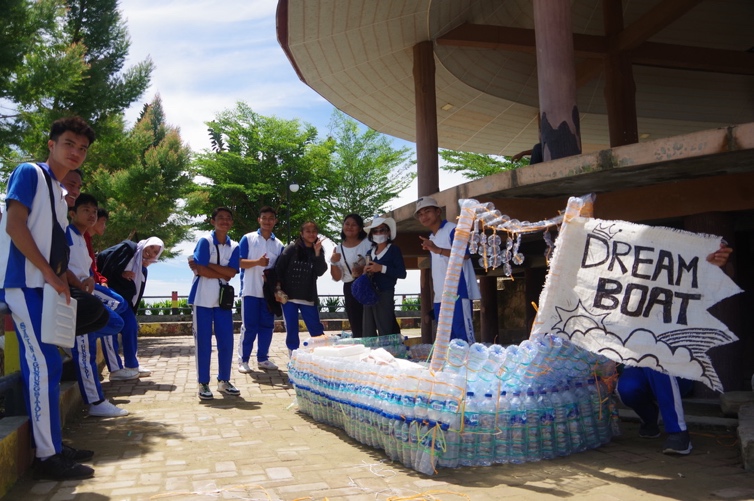
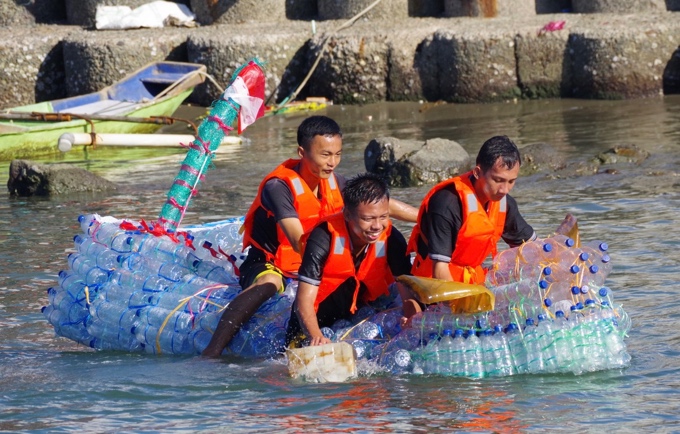
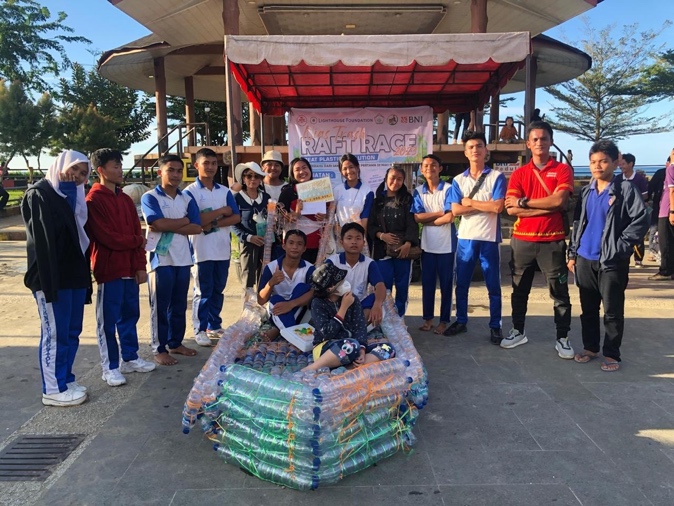
On July 3rd, 2023, Made in Nias successfully held the first Trash Raft Race in Nias. It was a sportive, unconventional, and lively event, which succeeded in winning and involving the public in environmental protection in a simple way. The race showed that having fun is a good starting point for sustainable environmental protection. The first Nias Trash Raft Race 2023 showed – creative and happy.

image-20230908153345-1   image-20230908153345-2

3,500 Plastic Bottles Processed

Young people from Nias collected in 6 teams over 3,500 used plastic bottles on the beach, in their schools, in the neighborhood, in parks, or public places. They built their own raft from the collected waste and competed against each other in teams with paddles. Together, they campaigned for a world without plastic waste under the slogan ‘Beat the plastic pollution.’ The race offered the participants one of the few opportunities to become socio-politically active in an easy way. The most important message was always that dealing with environmental problems can also be fun.

image-20230908153345-3 image-20230908153345-4

Encourage Creativity

Everyone can create new solutions for bad environmental habits. The race stimulated the creativity of young people in Nias and offered the opportunity for participation. Every raft had its own style and slogan. Each team published a video showing how the raft was built and why they participated. The videos were shared with friends and acquaintances on social media. The challenge of building a raft out of plastic waste was appreciated. The participants and the political representatives expressed the desire to continue the event next year.


Protect Environment – Share Joy

The race attracted many spectators. It was unusual and incredible for the spectators as well. Cheering on, joining in, and having fun – this is how sustainable environmental protection becomes easily accessible for everyone without a raised pointing finger. This is how the Trash Raft Race succeeded in raising sustainability awareness and building a community.


Nias Trash Raft Race 2024

We are doing everything we can to continue the event and are looking for sponsors for next year. Please support us and help us to make the Nias Trash Raft Race 2024 possible. We look forward to hearing from you for more information.


Made in Nias contact:

  • Gaby Ruppanner / Coordinator & Initiator of Made in Nias / gabyruppanner@gmail.com
  • Faozisökhi La’ia / Pusaka Nias Museum / www.museum-nias.org/en / ifaozisokhi@gmail.com
  • Yafaowoloo Gea / Organisa: Organizer of the Trash Raft Race and Founder of Yayasan Terang Nias Ehowu / www.terangnias.or.id /  yayasan.tne@gmail.com
  • Franziska Dürr / Leadership Kuverum / www.kuverum.ch / info@kuverum.ch

Swiss National Day Celebrations: Strengthening Bilateral Relations Between Switzerland and Indonesia


Jakarta, 2 August 2023  – The spirit of unity and friendship between Switzerland and Indonesia was celebrated at the Ayana Midplaza Hotel on the 1st of August, in commemoration of Swiss National Day. This year’s celebration held special significance as it marked the 175th anniversary of the federal constitution, established in 1848. The event, attended by over 800 guests, marked a significant milestone as the first major celebration held after the pandemic. Distinguished and important guests graced the occasion, including Federal Councilor and Minister of Foreign Affairs, Ignazio Cassis, Minister of Foreign Affairs of the Republic of Indonesia, Ibu Retno Marsudi, Deputy Secretary General of ASEAN for ASEAN Economic Community, Satvinder Singh, Deputy Secretary-General of ASEAN for Community and Corporate Affairs, Tran Duc Binh, and other esteemed personalities.

The highlight of the evening was the presence of Federal Councilor Ignazio Cassis, whose attendance added special significance to the celebration. His presence demonstrated the deepening and thriving relations between Switzerland and Indonesia, and allowed the Swiss community in Indonesia to meet Federal Councilor Cassis.

The celebration was further embellished by performances from renowned artists Raisa and Josh Kunze. Both artists enthralled the audience with their renditions of the national anthems of Indonesia and Switzerland, symbolizing the harmony and cultural exchange between the two nations.

The event showcased the generous support from 26 sponsors, whose invaluable contributions made this celebration a resounding success. Notably, PT. Eigerindo Multi Produk Industri, and Indonesia SwissCham members, PT. Endress+Hauser Indonesia, PT. KOLTIVA, PT. Nestlé Indonesia, and PT. SICPA Peruri Securink played a vital role in enriching the festivities by setting up booths as part of the celebration.

During the event, the Ambassador, Federal Councilor, and Indonesian Minister delivered speeches that emphasized the strong bilateral ties shared by Switzerland and Indonesia. They highlighted the common values and achievements that have been accomplished through mutual cooperation. The speeches emphasized the hope for even deeper and more positive bilateral relations in the future.

Swiss National Day, commemorating the signing of the Federal Charter of 1291, holds a significant place in the hearts of the Swiss people. The holiday became official throughout Switzerland following a 1993 referendum. Bonfires and fireworks illuminate the skies across Switzerland on 1st August, symbolizing the unity and resilience of the Swiss nation.

In conclusion, the Swiss National Day celebration at Ayana Midplaza Hotel served as a testament to the unwavering friendship between Switzerland and Indonesia. The event showcased the commitment of both nations to continue fostering good bilateral relationships, strengthening cultural ties, and achieving mutual prosperity.

There was also instrumental support from us, Indonesia SwissCham, and other SwissCham members, such as PT. ABB Sakti Industri, PT. Anugerah Pharmindo Lestari, Asia Green Real Estate, Bahar, PT. Berca Schindler Lifts, PT. Bühler Indonesia, PT. Clariant Indonesia, PT. Georg Fischer Indonesia, PT. Givaudan Indonesia, Gran Meliá Jakarta, Integrity Indonesia, PT. Novartis Indonesia, Regal Springs Indonesia, PT. Roche Indonesia, PT. SICPA PERURI SECURINK, Sika Indonesia, PT. Star Software Indonesia, Indonesia SwissCham, Time International, PT. TUNAS TASIK, and PT. Zurich, as well as KADIN Indonesia.

Safeguarding Whistleblowers: The German Whistleblower Protection Act (GWPA)

This publication is authored by and reflected the views and opinion of PT Integrity Indonesia. More information about PT Integrity Indonesia is available on www.integrity-indonesia.com

Recently, Germany enacted a new law, the German Whistleblower Protection Act (GWPA), aimed at protecting individuals who courageously report violations, corruption, or illegal activities within organizations. The inception of this law can be attributed to the mandate from the European Union, as Germany, being a member country, plays an important role in safeguarding whistleblowers.

A crucial aspect of the GWPA is providing robust protection to whistleblowers against retaliatory actions. The law establishes that individuals who report violations have the right to be shielded from dismissal, discrimination, forced transfers, or any other career obstacles that might result from their reporting. This assurance empowers whistleblowers to disclose violations with confidence, knowing their identities will be kept confidential unless they choose otherwise. 

As we explore the implications of GWPA, it’s worth exploring how this legislation might inspire similar initiatives in other countries.

Unlike Germany, Switzerland is not a member of the European Union, therefore, is not directly bound by the same obligation. Nevertheless, there has been a growing recognition of the importance of comprehensive whistleblower protections in the country. Some Swiss cantons have taken steps to provide a certain degree of protection for whistleblowers.

For instance, the canton of Basel-Stadt has enacted laws aimed at safeguarding whistleblowers employed in public institutions. Additionally, cities like Bern, Winterthur, and Zurich have recently established anonymous reporting facilities. A notable development occurred in January 2022 when the canton of Geneva adopted a legal framework that permits reporting anonymity and ensures the confidentiality of the whistleblower’s identity within territorial administration, parliament, judiciary, universities, public legal institutions, and municipal authorities.

Effective Mechanisms for Preventing Business Ethics Violations

To ensure ethical practices and prevent business ethics violations, companies, vendors, and supply chains must adopt effective measures in line with the GWPA. Some of the mechanisms that can be implemented to foster a culture of integrity and responsibility within organizations, include the following:

  1. Clear and Robust Code of Ethics

First and foremost, companies should establish clear and robust policies regarding their code of ethics. These policies need to be effectively communicated to all stakeholders through consistent socialization, whether through company newsletters, social media platforms, or training sessions. By making employees and partners aware of the ethical standards expected, the organization sets the groundwork for ethical behavior.

  1. Understanding Legal and Reputational Consequences

Companies must ensure that all individuals within the organization understand the potential legal and reputational consequences of engaging in harmful practices. This awareness instills a sense of responsibility and emphasizes the importance of acting ethically. Regular training sessions and workshops can be conducted to reinforce this understanding and keep employees informed about current ethical guidelines and regulations.

  1. Upholding Transparency and Accountability

Transparency and accountability should be core principles upheld at every stage of an organization’s operations. Companies need to ensure that every process is carried out diligently and based on objective assessments. Internal auditors can play a crucial role in verifying compliance with established procedures and policies, providing an unbiased perspective on the organization’s adherence to ethical guidelines.

  1. Implementing Rigorous Oversight Mechanisms

Companies should establish rigorous oversight mechanisms to prevent opportunities for violations and unethical practices. A clear division of responsibilities, segregation of duties, and an open reporting system should be integral to the organization’s supervisory practices. This not only deters potential violations but also facilitates timely disclosure of any unethical behavior that might occur.

Examining prominent cases, such as the bribery involving Goldman Sachs, fraud in the Vatican Landmark, and the Base Transceiver Station mega corruption case, provides valuable insights for companies to enhance their integrity, strengthen oversight mechanisms, and maintain accountability. By drawing lessons from these cases, organizations can promote transparency, encourage violation disclosures, and respond appropriately to such ethical breaches.

Preventing Retaliation: Strengthening Whistleblower Reporting

It is important for companies to adopt effective procedures to prevent retaliation against whistleblowers who report harmful violations within the organization. However, concerns such as distrust in the reporting process and fear of retaliation can hinder individuals from reporting such incidents.

One effective solution is to involve a third party. Canary Whistleblowing, for example, can offer secure and encrypted channels for whistleblowers to report violations anonymously. The main advantage of involving a third party lies in the independent investigation conducted on the received reports.

By involving an impartial third party, potential biases or conflicts of interest that may arise when handling internal incidents can be minimized. Internal reporting can sometimes lead to conflicts of interest or attempts to conceal violations. Involving an independent third party ensures objectivity and transparency throughout the investigation process, demonstrating a commitment to transparency and integrity. This approach provides whistleblowers with the assurance that their reports will be taken seriously and without fear of negative consequences.


This publication is authored by and reflected the views and opinion of PT Integrity Indonesia. More information about PT Integrity Indonesia is available on www.integrity-indonesia.com

The Art of Mobile SIM-Swapping: A Rising Scam Technique

This publication is authored by and reflected the views and opinion of PT Integrity Indonesia. More information about PT Integrity Indonesia is available on www.integrity-indonesia.com


Approximately 68.4 million Americans — in other words, almost one in every three — have lost money as a result of mobile phone scams. The total cost approximates to at least $40 billion. One notable scam technique that has recently come into the limelight is Subscriber Identity Module (SIM)-swapping.

Since mobile phones have evolved into extensions of our identities, used for everything from online banking and storing private information to conducting business and using services, it is paramount that we recognize the top three common strategies scammers employ to swindle mobile users to potentially safeguard our lives and livelihood.


Mobile scam techniques: Calls, texts messages, and more


1. Vishing

Vishing, also known as voice phishing, is a variation of phishing in which con artists call unwitting victims while posing as known companies or even close relatives. Attackers may employ a combination of fear-mongering and emotional blackmail to win the victim over and trick them into performing an activity.

Additionally, robocalls — scam calls that use recordings rather than real people — are a typical vishing technique. In 2021, Americans received 50.5 billion robocalls, the most often reported complaint to the Federal Communications Commission (FCC).


2. SMS Phishing

The trick most frequently used in mobile phone scams is SMS phishing. In SMS phishing, text messages typically begin with a link (using an abbreviated URL) to a survey, prize notice, sweepstake, or lottery, or even an “urgent message” regarding your bank account, credit card, or tax refund.

On a page that is under the control of attackers, victims are usually required to visit a website, download an application, input login information, or complete a form. Attackers seize the victim’s credentials, bank account, or other sensitive information when the victim takes the intended action, or they infect the device with malware to carry out their plan.


3. SIM Swapping

SIM swapping is a fraudulent practice in which a mobile SIM card is transferred to the possession of a con artist, who then uses it to steal the victim’s banking information or digital identity.


More about SIM-swapping

In this era of prevailing digital transactions, mobile phones are often used for authentication purposes by banks. If scammers can somehow gain access to a phone’s SIM card, they can possibly take control of text messages, emails, and other sensitive information.

The scam typically begins with the attacker obtaining personal information about the victim, such as their name, address, and phone number, through various means of open-source intelligence (OSINT), phishing attack, and/or data breaches. This way, the scammer can gather all the fundamental information necessary to SIM-swap your phone number. Armed with this information, the scammer then 

contacts the victim’s mobile service provider, posing as the victim, and requests the transfer of the phone number to a new sim card under their control. This process is often facilitated through the clever use of social engineering tactics.

Scammers employ various techniques to convince phone carriers to swap phone numbers, effectively bypassing supposedly extensive security measures. By manipulating call center representatives with false stories or urgent requests, scammers exploit human vulnerabilities to gain control over the victim’s phone number.

Once the SIM swap is successful, the fraudster gains access to the victim’s phone calls and text messages, and more importantly, the criminal can now receive text messages on behalf of the victim and take advantage of two-factor authentication (2FA) systems linked to the victim’s online accounts. In early 2022, the FBI issued a warning, detailing $68 million in damages linked to SIM-swapping.


OSINT: A danger and a savior

Due to the digital nature of the crime and the need for coordination between various entities, including law enforcement agencies, mobile service providers, and cybersecurity specialists, investigating SIM-swapping cases can be challenging. The investigation begins with the gathering of evidence, which may include analyzing phone records, obtaining SIM card information, and tracking financial transactions associated with the scam.

It has recently become the norm for large institutions to record phone calls between their customers and customer service department. This was initially intended for auditing purposes but is now also done for security reasons and used as proof for victims of such scam cases.

Law enforcement agencies and private investigators play a vital role in conducting thorough investigations, often requiring expertise in digital forensics and collaboration with international counterparts in cases involving cross-border criminal activities. The use of OSINT is invaluable during these investigations, as it allows investigators to gather publicly available information about the scammer, such as social media profiles or accounts/comments on online forums where they may discuss their activities.

OSINT also enables investigators to monitor these public platforms for discussions related to SIM-swapping techniques, potential targets, or even the sale of personal information. By identifying these discussions, investigators can proactively intervene, gather intelligence, and potentially prevent future attacks on unaware victims.


Preventing and protecting against SIM-swapping scams

Preventing SIM-swapping scams requires a combination of individual vigilance and industry-wide efforts. As individuals, we can take several proactive measures to protect ourselves.

First and foremost, it is crucial to safeguard personal information by practicing good cybersecurity hygiene. This includes using strong, unique passwords for all online accounts, enabling multi-factor authentication whenever possible, and being cautious of suspicious emails, calls, or text messages requesting personal information. It is important to note that if you are unsure of a call or message you are receiving, it is recommended to hang up right away and directly contact the concerned institution through their official phone number to see whether the received call or SMS is real and authorized.

Mobile service providers also have a responsibility to implement robust security measures to mitigate the risk of SIM swapping. This involves verifying the identity of customers more rigorously before approving any SIM card transfers and implementing additional security layers to protect customer accounts from unauthorized access.


This publication is authored by and reflected the views and opinion of PT Integrity Indonesia. More information about PT Integrity Indonesia is available on www.integrity-indonesia.com