image-9

Upholding Privacy in Indonesia’s Changing Landscape


Integrity Indonesia

This publication is authored by and reflected the views and opinion of Integrity Indonesia PT. More information about Integrity Indonesia PT is available on www.integrity-indonesia.com.


Since the introduction of Indonesia’s Personal Data Protection (PDP) law in October 2022 and its impending full implementation in October 2024, companies throughout the nation are grappling with the complexities of data protection. This shift brings about various challenges, spanning legal, operational, and financial aspects.

Amidst the landscape, Integrity Indonesia PT takes strides to safeguard our clients’ personal data by appointing certified Data Protection Officers (DPOs) to oversee a range of services, including Employment Background Screening, Whistleblowing System, and Due Diligence .

Their role is pivotal in ensuring the proper management of entrusted personal information, covering security, confidentiality, legality, and personal consent as mandated by law.

As of February 2024, only 570 DPOs are certified in Indonesia, and we take pride in being part of this selected group.

Rest assured, your data security is our top priority. We are unwavering in our commitment to protecting your information and ensuring compliance with the highest standards of data privacy and security.


Contact Integrity Indonesia PT for more information: contact@integrity-asia.com


Prisma - Integrity Asia

This publication is authored by and reflected the views and opinion of Integrity Indonesia PT. More information about Integrity Indonesia PT is available on www.integrity-indonesia.com.

IMG-20240425-WA0035

Industrial Round Table Discussion – Structured Internship Implementation and SIGL Socialization

dvet roundtabvle discussion

Jakarta, 24 April 2024, marks another example of private-sector cooperation in vocational education and training. SwissCham Indonesia members, part of the Structured Internship program, gathered in an Industrial Round Table Discussion and had a relaxing yet fruitful discussion about the best practices and what to improve. 

24 April 2024

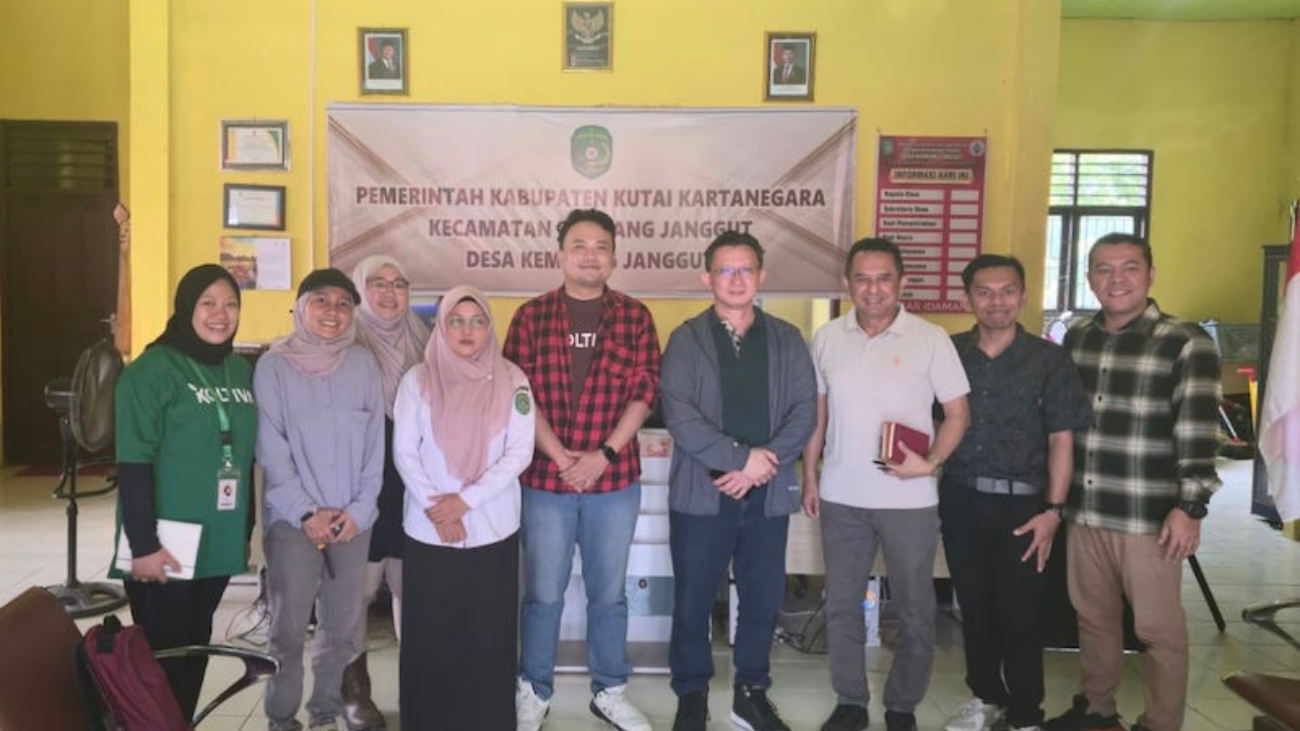
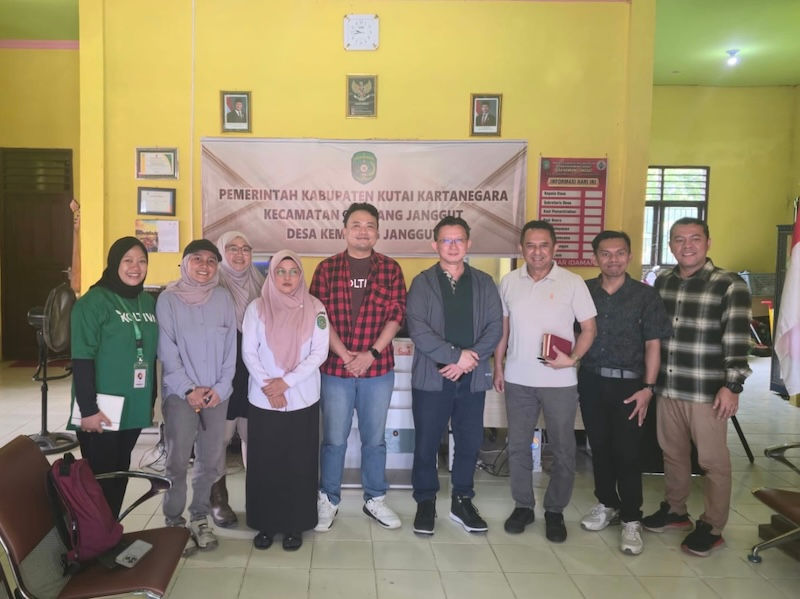
During the discussion, PT Koltiva Indonesia shared their invaluable experience of hosting a Structured Internship. BPSDMI—Ministry of Industry and SwissCham Indonesia’s partner, S4C – Swisscontact, were also shared invaluable insight that immensely helpful for SwissCham Indonesia members.

The discussion was also participated by PT Givaudan Indonesia, PT Bühler Indonesia, PT Endress+Hauser Indonesia, PT Indesso Aroma, and PT ABB Sakti Industri. The never-ending support from State Secretariat for Economic Affairs – SECO also added more color to the discussion.

SwissCham Indonesia, supported by S4C, is committed to facilitating our members in implementing the Structured Internship Program.

For more information, please visit https://swisscham.or.id/program/structured-internship-support  

01.-EUDR-Supply-Chain-Mapping-and-Risk-Assessment-features-ensuring-a-comprehensive-understanding-of-producers-compliance

KOLTIVA Launches State-of-Art Groundbreaking EUDR Solutions to Enable Businesses Navigate the EU Regulation on Deforestation

This publication is authored by and reflected the views and opinion of Koltiva. More information about Koltiva is available on www.koltiva.com.

01. EUDR Supply Chain Mapping and Risk Assessment features, ensuring a comprehensive understanding of producers compliance

Effective from December 30th, 2024, EU businesses are obligated to comply with the EU Deforestation Regulation (EUDR), ensuring products do not contribute to deforestation. Compliance entails adhering to land-use rights, forest management, labor, tax, and human rights laws and providing a due diligence statement. (European Commission)
Indonesia-based sustainable agriculture and supply chain traceability startup, KOLTIVA, draws on over 11 years of expertise supporting over 8,000 businesses across 61 countries, now introduces its EUDR Solutions, featuring three distinct modular approaches: KoltiTrace, a platform for traceability; KoltiSkills, which offers extension services to promote sustainable sourcing practices; and Data Verification, delivering expertise solutions for comprehensive EUDR analysis reports.

Jakarta, Tuesday 16th April 2024 – Globally, extensive deforestation and degradation of forests have imposed tremendous pressure on forest landscapes. A recent study dated between 2010 and 2015 from IDH The Sustainable Trade Initiative mentions roughly 122.29 million hectares (Mha) of tree cover were lost – representing around 5% of the total area covered by natural forests in 2010. Beyond the immediate socio-economic and environmental consequences of this transformation, deforestation and land-use changes stand as the second-largest human-induced source of greenhouse gas (GHG) emissions, significantly contributing to climate change. The European Union emerged is one of the major importers of commodities linked to deforestation: over 60% of the world’s cocoa and approximately 50% of coffee being directed to Europe. Simultaneously, cocoa and coffee constitute 2 out of 7 agricultural commodities that played a role in contributing to over 25% of the global tree cover loss between 2001 and 2015, per the World Resources Institute in 2022.

KOLTIVA, a global tech leader with over 11 years of experience in sustainable agriculture and supply chain traceability across 61 countries, launched its groundbreaking EUDR Solutions. These solutions are tailored for businesses seeking EUDR compliance, which mandates rigorous Due Diligence. This process includes extensive Data Collection on product origins, including specific geolocation data, ensuring products are deforestation-free and compliant with local laws. Risk assessments consider factors like country risk levels and forest presence. Additionally, businesses are required to implement Risk Mitigation measures such as audits and supplier support. Finally, the Regulation necessitates annual public reporting on due diligence systems and maintaining related documentation for at least five years.

04. Field agent working closely with the producers ensures comprehensive data collection  06. KoltiSkills, provide solutions for businesses needing field staff  in implementing sustainable sourcing

In response to regulatory pressures, KOLTIVA expanded its solutions to assist businesses through a modular approach based on its KoltiTrace MIS (Management Information System). This robust producer mapping and traceability platform offers a scalable solution for independent suppliers to meet the forthcoming EUDR regulations. Additionally, KOLTIVA’s extension services, KoltiSkills, also provide solutions for processors and manufacturers needing more field staff or third-party assistance. These services include sustainable supply chain mapping, transactional traceability support, and risk mitigation services in the field. The latest addition to KOLTIVA’s modular approach for EUDR solutions is Data Verification. This solution enables manufacturers to independently verify their supply chain data for suppliers using another platform solution, or KoltiTrace, for supply chain mapping without utilizing KoltiSkills services. Data is evaluated based on completeness, quality, and EUDR compliance. Sample verification visits are available upon request.

Manfred Borer, CEO and Co-Founder of KOLTIVA, discussed the EUDR compliance journey in a recent conversation, stating, “We view that the EUDR is more than a regulation; it’s a mission, a key element of the European Green Deal, driving climate neutrality by 2050. By adhering to the regulation, businesses contribute to the global fight against deforestation, a significant factor in climate change and biodiversity loss. With the deadline approaching in less than a year, we reaffirm our commitment to assisting businesses in achieving compliance. We stand ready to provide expertise, technology, and services to ensure regulatory adherence while concurrently fostering a sustainable future.”

Borer stated, “Today signifies a significant milestone in our journey towards a greener, more sustainable future. With the launch of our state-of-the-art EUDR solutions, KOLTIVA is fully committed to helping businesses comply with and combat deforestation with our dependable and adaptable modular methods that go beyond traceability. We’re empowering businesses with essential tools to effortlessly navigate EU regulations on deforestation, utilizing our robust traceability platform, KoltiTrace, extension services for sustainable sourcing through KoltiSkills, and expert solutions for comprehensive EUDR analysis reports, Data Verification.

10. Palm oil stands as one of a major driver of deforestation and is included as 7 commodities regulated by EUDR  05. Coffee is one out of seven agricultural commodities that contribute to deforestation

The regulation mandates compliance from over 50,000 businesses that import or process any of the key seven commodities, including Palm Oil, Cocoa, Coffee, Rubber, Wood, Soy, Cattle, and derivatives such as leather and furniture. Additionally, non-EU companies heavily involved in EU activities are required to adhere to these regulations. KOLTIVA is committed to support meticulous compliance process from supply chain mapping & risk assessment, verifying supply chains connections, training and monitoring, deforestation mapping, risk mitigation, to the due diligence report. 

08. KOLTIVA Verifies Supply Chain Connections from plantations to processors to document traceability by registering transactions

KoltiTrace MIS platform enables processors with Supply Chain Mapping and Risk Assessment, ensuring comprehensive producer compliance. It streamlines recording supply chain connections and offers expert field implementation support for businesses lacking resources. To ensure traceable transactions, KOLTIVA Verifies Supply Chain Connections from plantations to processors, collaborates with local stakeholders (dealers, agents, collectors) to document traceability by registering transactions from mapped farmers. KOLTIVA reviews transactional data to identify new and mapped farmers within supply chains.

07. Training and Monitoring play a vital role in EUDR compliance, guiding the adoption of GAP 02. Land Use Tracker feature accomodates deforestation cut-off dates and tree cover loss information, allowing users to analyze deforestation trends

Segregation Training and Monitoring play a vital role in EUDR compliance. Koltiva’s Field Agent Business Support (FABS) offers training and monitoring at the dealer level to ensure proper implementation, compliance, risk mitigation, and transparency. Koltiva’s remote sensing expertise and robust traceability platform and Deforestation Maps provide historical data on tree cover loss, enabling in-depth analysis and enhancing the accuracy of deforestation detection and monitoring.

09. KOLTIVA'S FABS offer monitoring at the dealer level to ensure transparency and risk mitigation

KOLTIVA provides Risk Mitigation initiatives, such as personalized farmer coaching and support in obtaining land legality. Through data-driven one-on-one coaching, it focuses on EUDR non-compliant or flagged farmers, guiding farm development plans and accelerating the adoption of Good Agricultural Practices (GAP).

03. Due Diligence Report can be automatically generated from Koltiva's KoltiTrace Platform

Due diligence is integral to EUDR compliance, which the KoltiTrace platform streamlines by automatically generating due diligence statements for processors and their main suppliers. These tools provide evidence for compliance submissions, guaranteeing transparency and accountability across the supply chain.

===

About Koltiva

Offering human-centered technology and boots-on-the-ground solutions that digitize agribusinesses and help smallholder producers transition to sustainable practices and traceable sourcing, KOLTIVA is recognized as the leading Indonesia-based sustainable agriculture and supply chain traceability startup. As a global technology provider, it constructs ethical, transparent, and sustainable supply chains, assisting enterprises in fortifying their resilience and transparency. The company helps businesses and their suppliers comply with ever-changing regulations and consumer demands worldwide with traceability solutions. Operating in more than 61 countries and fortified by a network of 16 customer support offices, Koltiva is steadfast in supporting over 8,000 enterprises in establishing transparent and robust supply chains while empowering over 1,170,000 producers to increase their annual income. www.koltiva.com 


Press contacts 

Vega Welingutami

Public Relations & Event

+62 878 7643 2821 

vega.welingutami@koltiva.com A black and brown logo

Description automatically generated

Daniel Prasetyo

Head of Public Relations & Corporate Communication

+62 8111 67 1919  

daniel.prasetyo@koltiva.com 

A black and brown logo

Description automatically generated

This publication is authored by and reflected the views and opinion of Koltiva. More information about Koltiva is available on www.koltiva.com. 

image-2024-03-04T085615.151

Impact of Loi Sapin II on Swiss business practices

Impact of Loi Sapin II on Swiss business practices

This publication is authored by and reflected the views and opinion of Integrity Indonesia PT. More information about Integrity Indonesia PT is available on www.integrity-indonesia.com.

In 2016, France enacted Loi Sapin II, positioning itself as one of the early adopters of whistleblowing legislation within the European Union. The primary focus of this law is to combat corruption and bribery within French companies.

Sapin II has left a significant and enduring impact on French anti-corruption law. It introduced a stricter regulatory framework and fostered a more responsible business environment. This advancement is noteworthy, especially considering that prior to Loi Sapin II, France faced criticism for lagging behind other EU countries in addressing these issues.

One of the key provisions of the law mandates the establishment of an internal reporting mechanism within organizations. This mechanism, often referred to as the whistleblowing system, aims to facilitate the easy and safe disclosure of potential misconduct or breaches of the code of conduct by employees.

Similar to anti-corruption laws in other jurisdictions, such as the UK Bribery Act and the US Foreign Corrupt Practices Act, Loi Sapin II has extraterritorial reach. This implies that organizations meeting its criteria are subject to its provisions irrespective of their geographical location, with Swiss businesses not being exempted.

Navigating Loi Sapin II on whistleblowing practices

The Loi Sapin II mandates the establishment of a whistleblowing hotline for organizations meeting specific criteria, including:

  • Corporations with a workforce of at least 50 individuals and municipalities boasting 10,000 or more residents.
  • Corporations with gross revenue exceeding EUR 100 million
  • Foreign subsidiaries of French groups. Companies affiliated with a group whose parent organization’s headquarters are situated in France and have a global workforce of at least 500 employees

Swiss businesses, irrespective of their geographical location, are subject to anti-corruption regulations if they meet any of the aforementioned criteria. For instance, a Swiss engineering firm operating as a subsidiary of a French construction company must implement an anti-corruption program, which includes a whistleblowing system, covering its international operations.

To enhance the protection of whistleblowers, the “Waserman Law” was enacted the following year. This legislation aligns the nation’s legal framework more closely with the upcoming EU Whistleblower Protection Directive, thereby strengthening safeguards for whistleblowers.

While upholding key elements of Loi Sapin II, this law incorporates additional measures, including strengthening safeguards against retaliation, expanding the definition of whistleblowers, and providing them with career-long support.

Streamlining Compliance with Phoenix Whistleblowing Software

Enforcing anti-corruption laws can pose significant challenges for foreign companies, particularly when establishing robust whistleblowing systems. Substantial investment is required for developing these systems, encompassing initial setup expenses, ongoing expenditures for system maintenance, staff training, and regular evaluations. This array of costs makes adjusting investment levels challenging.

Another hurdle is ensuring the protection of whistleblowers from potential reprisals while maintaining confidentiality during investigations. With laws emphasizing whistleblower protection and compliance with GDPR, companies must employ secure platforms capable of handling sensitive information. Failure to do so can lead to severe consequences, including damage to reputation and financial penalties.

Furthermore, language barriers further complicate matters. Effectively managing cross-border operations necessitates efficient communication systems capable of accommodating various languages. This underscores the importance of having user interfaces accessible in multiple languages to facilitate a smooth whistleblowing process. Unfortunately, integrating extensive language support into existing frameworks demands significant time and resources.

Addressing these challenges head-on, Phoenix Whistleblowing, a secure Software as a Service (SaaS), offers customizable and multilingual platforms with support for over 50 languages. With Swiss-grade security measures in place, Phoenix Whistleblowing caters to a diverse array of stakeholders, whether you’re a small entity, a multinational corporation, or a consultant working on behalf of clients.

This publication is authored by and reflected the views and opinion of Integrity Indonesia PT. More information about Integrity Indonesia PT is available on www.integrity-indonesia.com.

xr:d:DAGANQB6Z4s:86,j:4294605291800667675,t:24032802

Forum Discussion: Indonesia-EFTA Comprehensive Economic Partnership Agreement (IE-CEPA)

26 Mar 2024

On 16 December 2018, Indonesia and the EFTA States signed a Comprehensive Economic Partnership Agreement (IE-CEPA), which went into force on 1 November 2021.

To raise awareness and maximize the benefits of the Agreement, the Embassy of Switzerland in Indonesia and SwissCham Indonesia Ease of Doing Business Sectoral Group held a forum discussion on IE-CEPA Implementation on 26 March 2024 at the Embassy of Switzerland in Indonesia. Led by Khalid Ibrahim, SwissCham Head of Ease of Doing Business Sectoral Group and President Director of Novartis Indonesia, the forum discussion featured experts (online) from Switzerland:

  • Dominik Ledergerber, Senior Advisor EFTA Division of the State Secretariat for Economic Affairs
  • Claudia Brand, Deputy Head Free Trade Agreements of Swiss Customs

SwissCham Indonesia is grateful to H.E. Olivier Zehnder, Ambassador of Switzerland to Indonesia, Timor-Leste, and ASEAN, for hosting the sharing session at the Embassy.


Watch the recap on our LinkedIn and Instagram.

image-20240122093729-1

Making Invisible Hopes Come True

This publication is authored by and reflects the views and opinions of Lam Horas Film.

Making Invisible Hopes Come True

For Children Who Are Born And Raise Behind Prison Bars In Indonesia.

“Every child has the right to live in a free world, protected, loved, and happy. Not living behind prison bars and being treated like a prisoner.”

(Lamtiar Simorangkir, Director / Producer film “Invisible Hopes”)

image-20240122093729-1

Unfortunately, the harsh truth is that many children had to be born in Indonesian prisons or brought to prison and then live alongside their inmate mothers who are serving their sentences and are being treated like prisoners.

Watch the Trailer


Our Mission

image-20240122093729-2

In Indonesia, not many people know about or pay attention to these children. Lamtiar Simorangkir, along with her filmmaker community named Lam Horas Film, felt compelled to help pregnant inmates, especially children who are born and raised behind prison bars. Therefore, they have made a documentary film titled “Invisible Hopes.” The film takes a closer look at the lives of pregnant inmates and the children behind prison bars. Through this film, they hope to raise awareness and move the hearts of society and the Government to pay more attention to pregnant inmates, especially children behind prison bars.

They hope that the film can open a safe space for discussions in order to find better solutions. Therefore, this film was made as an impact campaign tool to raise awareness and advocacy for the rights of children and pregnant prisoners in Indonesia. The film was not made to vilify certain people or certain parties nor to blame them.


Awards

image-20240122093729-3

“Invisible Hopes” has won the most prestigious film festival in Indonesia, Festival Film Indonesia, and also Piala Maya, for categories of Best Feature Documentary and Best Directing for First Feature Film. During the awarding night of Festival Film Indonesia, when the Director/ Producer of “Invisible Hopes,” Lamtiar Simorangkir, was receiving the award, she asked everyone who attended and watched the event throughout Indonesia even boldly asked President Joko Widodo, who attended the event, to do something to save the children who are born and raise behind prison bars.

Award night and news coverage:

https://youtu.be/STbwu9LwAag

https://youtu.be/ytrbzTPhVaQ


What Has Been Done

image-20240122093729-4

Since the shooting in 2018, Lam Horas Film has started to raise awareness and impact campaigns for pregnant inmates and children in prison. Currently, they have succeeded in reaching thousands of Indonesian people and related stakeholders. Through film screenings and discussions, lectures, and talk shows, they informed about the existence and challenges faced by pregnant prisoners and children in prison. Then, encourage the society and Human Rights Commissions to take part in helping and fulfilling their rights. The most important thing is to remind the Government that there are children who are the future of our nation who have become invisible victims in adult prisons that need to be saved, and that is the responsibility of the Government.

So far, Lam Horas Film has successfully carried out an impact campaign roadshow in 17 provinces in Indonesia and even abroad. The Impact Campaign roadshow has succeeded in producing recommendations and has been submitted to 8 Governmental institutions. They have also tried to help provide for the daily needs of babies and pregnant and breastfeeding mothers in prison.

Submission of recommendation to Government event: https://youtu.be/4WroqlN1nps


What’s Now?

image-20240122093729-5

Currently, Lam Horas Film is continuing its impact campaign and advocacy. This is done by following up on recommendations that have been submitted to the Government and building multi-stakeholder networks to jointly carry out concrete follow-up advocacy. Lam Horas Film is also making a sequel film that will uncover the heartbreaking reality of these children’s lives after they leave prison. This second film also will be used as an impact campaign and advocacy tool. They are also continuing to help provide for the needs of children and mothers in prison.


Who We Are

image-20240122093729-6

Lam Horas Film is a volunteer-based filmmaker community that makes films independently to raise important issues with the goal of bringing better change in Indonesia and hopefully also around the globe. They also have made other films that raised important issues, especially regarding women’s rights, children’s rights, and tolerance in Indonesia.


What We Are Looking For

In carrying out every activity, Lam Horas Film relies on funding assistance from various parties. Currently, we are looking for collaborators, support funding, donations, CSR, sponsorship, etc.  


Contact Lam Horas Film

Phone : +62 821 2279 1242

Email : Lam.horas.production@gmail.com

Instagram : @lamhorasproduction

Youtube : Lam Horas Production

Facebook Page : Lam Horas Production


More information/news about us can be found on the internet with keywords: Invisible Hopes, Lam Horas Film, Lam Horas Production, Lamtiar Simorangkir. 


Battling the Fake Cheese

This publication is authored by and reflected the views and opinion of Integrity Indonesia PT. More information about Integrity Indonesia PT is available on www.integrity-indonesia.com.

Have you ever pondered the authenticity of the cheese gracing your pasta? Surprisingly, the cheese world is not immune to the rise of counterfeit foods.  

In recent years, the culinary world has witnessed a concerning rise in counterfeit foods, and one particular victim of this deceptive trend is cheese. The proliferation of fake cheese products has become a serious issue, leaving consumers grappling with the challenge of differentiating between genuine artisanal cheeses and their synthetic counterparts. 


The original, fake Parmigiano-Reggiano 

Imagine, the iconic Parmigiano – Reggiano, a 90-pound wheel of cheese, celebrated for its unrivaled quality and rich heritage. Rooted in the Middle Ages, this cheese earned the prestigious Protected Designation of Origin (PDO) status from the European Union in 1996.  

Stringent regulations dictated that Parmigiano-Reggiano, the only variation that was rightfully labeled as “Parmesan” within Europe, must be crafted exclusively in a specific region of northern Italy, adhering to precise weight and maturation processes in the provinces of Parma and Reggio Emilia. 

With just three ingredients – milk (produced in less than 20 hours), salt, and rennet – Parmigiano-Reggiano boasts a meticulous production process that, while maintaining quality, inevitably results in higher costs. 

This, in turn, creates an opportunity for counterfeiters to replicate the cheese at a lower price, often with the addition of ingredients like potassium sorbate, cheese cultures, and cellulose (wood pulp). 

The Parmigiano Reggiano Cheese Consortium, the governing body overseeing production, estimates the global turnover of counterfeit Parmesan to exceed $2 billion, underscoring the lucrative nature of this deceptive trade. 


Chip in the cheese 

In response to the escalating demand for authenticity, brands are deploying cutting-edge technologies to safeguard their products. 

Microchips, discreetly embedded within cheese wheels, serve as a potent weapon against counterfeiters. Although consumers may not directly encounter these microchips, hidden within discarded labels, their significance lies in the security they provide.  

Rigorous testing, including exposure to simulated stomach acid for three weeks, ensures that these microchips pose no harm to consumers, highlighting the commitment of brands to protect their products and reputation. 


Safeguard prestigious brands 

Parmigiano-Reggiano is not alone in leveraging technology to ensure authenticity. Across Europe, various food producers are exploring tech-driven strategies. One such innovation involves DNA fingerprinting of milk bacteria, enabling precise identification of cheese varieties and guaranteeing consumers receive what they pay for. 

As advanced technologies like microchips, holograms, and DNA fingerprinting become the new norm for certifying products, a collective effort from consumers, producers, and regulatory bodies becomes imperative in battling fake cheese. 

By staying informed, scrutinizing labels, and supporting authentic producers, we can play a pivotal role in preserving the rich tradition and quality that genuine cheese brings to our tables. Let us not allow the fake cheese to cast a shadow on the true artistry and flavor of this beloved culinary delight.


This publication is authored by and reflected the views and opinion of Integrity Indonesia PT. More information about Integrity Indonesia PT is available on www.integrity-indonesia.com.

janosch-diggelmann-lEDre7sw99E-unsplash

Empowering Whistleblowers and Strengthening Protections: A European Perspective with Swiss Implication

This publication is authored by and reflected the views and opinion of Integrity Indonesia PT. More information about Integrity Indonesia PT is available on www.integrity-indonesia.com.

Photo by Janosch Diggelmann on Unsplash

The European Union has indeed made significant strides in acknowledging the vital role played by whistleblowers. A pivotal development in this regard is the enactment of the EU Whistleblower Directive.  

The primary objective of this directive is to encourage EU Member States to establish resilient mechanisms that facilitate confidential reporting of regulatory violations by whistleblowers in both the public and private sectors. The directive seeks to shield these individuals from any form of retaliation. 

Following the directive’s implementation, EU Member States are mandated to integrate these provisions into their national legal frameworks, ensuring effective whistleblower protection. For instance, Germany has introduced the HinSchG, which imposes stringent confidentiality and anonymity requirements on organizations dealing with whistleblowing cases. 

It’s important to note that the impact of the EU Whistleblower Directive transcends the borders of the European Union, even reaching Swiss businesses.


Whistleblower Protection in Switzerland 

Switzerland, known for its numerous multinational corporations, especially in finance, pharmaceuticals, and technology sectors, is currently considering the implementation of robust whistleblower protection laws, particularly pertinent when they collaborate with entities in EU Member States or operate within the EU’s jurisdiction. In such cases, Swiss companies may be required to provide whistleblower protection in line with the HinSchG and other EU regulations. 

Several Swiss cantons have adopted legal frameworks designed to protect whistleblowers in the context of public institutions. The most recent addition to this list is Geneva, Switzerland’s second-most populous city. Through the implementation of the Loi sur la protection des lanceurs d’alerte au sein de l’Etat (LPLA) (12261), the cantonal government has established specialized protections for all public institution employees reporting wrongdoing. These measures shield whistleblowers from potential professional retaliation. To further support individuals who come forward, the government has established an independent body called the Groupe de Confiance (GDC). 

In addition, anonymous reporting channels have been created to ensure the safety of whistleblowers and foster their trust. These channels allow whistleblowers to report wrongdoing while maintaining complete anonymity. In cases where individuals believe their anonymity has been compromised and they face adverse professional consequences, they have the option to contact the GDC or the designated protective body mandated by their employer or governing authority, provided they reveal their identities. 

The establishment of effective whistleblowing systems and protections is not just a matter of legality but also a reinforcement of an organization’s overall integrity and long-term sustainability. This, in turn, enhances the company’s reputation among stakeholders, including customers, investors, and employees. 

This publication is authored by and reflected the views and opinion of Integrity Indonesia PT. More information about Integrity Indonesia PT is available on www.integrity-indonesia.com.

image-20230926235735-1

Real-world Projects, Meaningful Impact with International Internships

image-20230926235735-1 image-20230926235819-2

This publication is authored by International Internships. More information about International Internships is available on www.internationalinternships.com.au

International Internships organises internships and study intensives with host organisations in Indonesia, for Australian university students across all subject areas. We work with individual students, as well as educational institutions, commercial organisations, and NGOs, to facilitate internships, study intensives, immersion and unit-based programs, along with providing career mentoring, professional skills development, cross-cultural communication and language training.

Join Us as A Host

Joining our network of host organisations gives your organisation the opportunity to welcome and work with high calibre Australian and Indonesian interns. We facilitate both online and in-country internships to cater the different needs of work setting in your organisation. Our interns are from top universities in Australia and Indonesia. Our team conducts initial interviews and only selects engaged and enthusiastic candidates that will make a great contribution to our partners. The internship and intensive programs that we create have received long-standing support from the Australian government with funding provided though New Colombo Plan grants.

Types of Internships that We Arrange

image-20230927000217-5 image-20230927000302-6 image-20230927000426-7

We work across a wide range of industries and sectors, with big and small businesses, divisions of corporate multi-nationals, Indonesian and Australian government agencies, universities, nonprofits, and NGOs. Previous hosts have included MRT Jakarta, BTPN Syariah, Transjakarta, Garuda Indonesia, Ogilvy & Mather, Indonesia Corruption Watch, Edelman Indonesia, Badan Riset dan Inovasi Nasional (BRIN), Indonesia Australia Business Council, Lippo Karawaci, HOPE Indonesia, Grab Indonesia, Yayasan Cinta Anak Bangsa, Moonshot Ventures, Surbana Jurong, University of Indonesia, Yayasan Lembaga Bantuan Hukum Indonesia, AECOM, BlueScope Steel, the Eijkman Institute for Molecular Biology and many, many more.

The participants for our online and in-country internships, as well as the study intensives, come from a range of study areas and skill-sets, including:

  • Business disciplines like accounting, finance and management
  • Economics, trade and international relations
  • Engineering (mechanical, civil, automotive and aeronautical)
  • Media, communications, PR and creative services
  • Health, medical and science fields
  • Arts and law

Contact Us

Have further questions? Drop us an email at indonesia@internationalinternshps.com.au
or fill out this form and we will contact you as soon as possible.

image-20230926235941-3 image-20230927000005-4

image-20230927154844-1

Revitalization of Sustainability: Indonesia Sustainability 4.0 Network Connecting Corporates and SMEs through Visionary Collaborative Efforts

image-20230927154844-1

  • The Indonesia Sustainability 4.0 Network connects corporates and small to medium enterprises, with a focus on sustainable development. These efforts are aligned to the SDGs, mainly, promoting women leaders in sustainability (SDG 5), improving access to clean water (SDG 6), clean energy transition/net zero (SDG 7), as well as reduction and/or reuse of plastic (SDG 12).
  • This initiative has a significant impact on Indonesia by driving economic growth, preserving the environment, and advancing social progress, promising a lasting positive influence on the nation’s landscape.

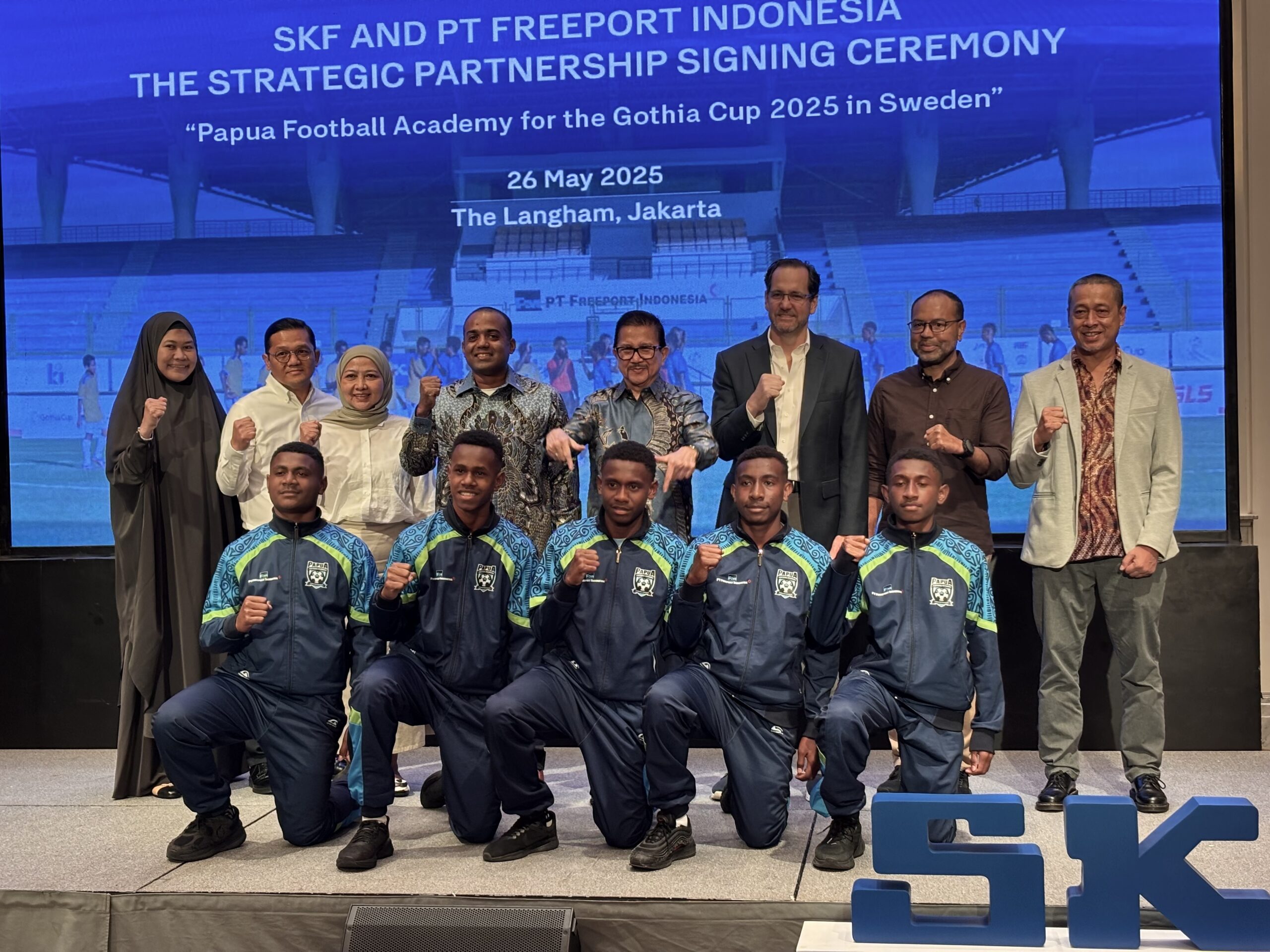
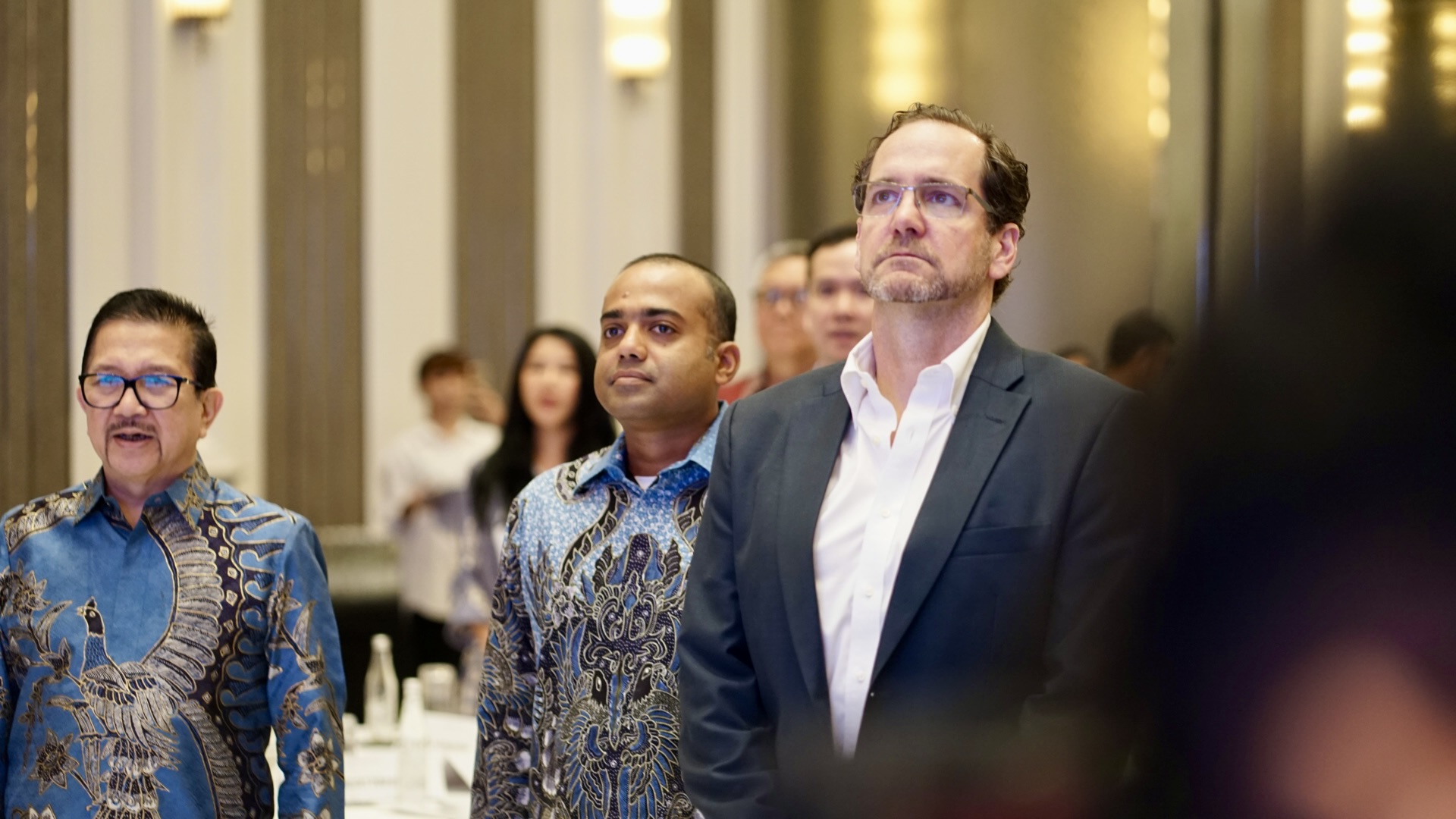
Jakarta, September 26, 2023 The Swiss-Indonesia Chamber of Commerce (SwissCham Indonesia) officially launched the Indonesia Sustainability 4.0 Network today at the Indonesian Chamber of Commerce and Industry (KADIN) Lounge (26/09/2023). The launch ceremony was attended by distinguished guests, including H.E. Olivier ZEHNDER, Ambassador of Switzerland to Indonesia, Timor Leste, and ASEAN, Yanuar Nugroho, Ph.D., Coordinator of the National Secretariat Expert Team for SDGs, Arsjad Rasjid, Chairman of KADIN who virtually provided a keynote speech, Catharina Widjaja, Chair of international relations of APINDO, and Christophe Piganiol, Head of SwissCham Indonesia’s Sustainability and Innovation Sectoral Group and President Director of PT Anugerah Pharmindo Lestari, and distinguished guests.

Around 90 companies and SMEs demonstrated their unwavering support and commitment to the Indonesia Sustainability 4.0 Network by participating in the ceremony and the pledge signing as its launching symbolic. This symbolic act signifies their dedication to sustainability and their visionary approach to collaboration.

The network will feature comprehensive and continuous programs, including educational sessions, training, workshops, project collaboration, and matching business needs. Indonesia Sustainability 4.0 Network will facilitate activities and initiatives related to the above-mentioned SDGs, including but not limited to recognition through awards programs, knowledge sharing, networking events, and collaborative projects. Bolstered by an unwavering commitment from all stakeholders, this network stands as a testament to the unyielding dedication towards sustainable development in Indonesia.

The outcomes of these activities will manifest in collaborations that drive positive and bigger impacts in four key areas: promoting women leaders in sustainability (SDG 5), enhancing access to clean water (SDG 6), advancing clean energy transition, and achieving net-zero emissions (SDG 7), as well as reducing and reusing plastic (SDG 12).

“Collaboration between all sectors, including civil society (academia, etc.), public sector, and the state is not only necessary but urgent to successfully achieve the universal 2030 SDG goals,” said H.E. Olivier Zehnder, Ambassador of Switzerland to Indonesia, Timor Leste and ASEAN.

Chairman of KADIN Indonesia, Arsjad Rasjid, who virtually provided remarks at the launching ceremony of the Indonesia Sustainability 4.0 Network, said that “today marked a significant stride forward for Indonesia and Switzerland as we inaugurate the Indonesia Sustainability 4.0 Network. The Swiss-Indonesian relationship, built on the shared principle of neutrality and prosperity of our people, serves as a testament to the possibilities when two great nations collaborate.”

Chairwoman of Indonesia Employers Association (APINDO) and Coordinating Vice Chairwoman III of KADIN Indonesia, Shinta Kamdani, also said that “sustainability is not a solo journey. Sustainability success can be supercharged through collective action, which is the key to a sustainable future. It is about shared responsibility, how we all work collectively, building networks, and action-oriented collaboration among industries as the implementation of SDGs 17: Partnership for the Goals. This network is the extended initiative of B20 Sustainability 4.0 Awards along with other partners with the objective of accelerating the implementation of SDGs. Through this network, KADIN, as the voice of business sectors, is committed to being part of the solution to bridge the substantial gap of the required funding to implement the SDGs.”

‘The concept of establishing the Indonesia Sustainability 4.0 Network is rooted in the unwavering commitment of the B20 Sustainability 4.0 Awards committee, a prestigious event held in the preceding year, which saw the participation of over 700 individuals from corporations and SMEs. Many SMEs possess brilliant ideas but lack funding and opportunities to scale, resulting in limited impact. Conversely, corporations have platforms and substantial funding. With this platform, we hope to bridge the gap and create an even more significant impact.’ said Christophe Piganiol, Chair of the Indonesia Sustainability 4.0 Network, serving as Head of Sustainability & Innovation at SwissCham Indonesia and the President Director of PT Anugerah Pharmindo Lestari.

As an example of such a collaboration, Lazada Logistics, the Winner of the SDG 12 Category from last year’s B20 Sustainability 4.0 Awards, has launched a Sustainability Academy with several key partners for their ecosystem of sellers. During the launch ceremony, Lazada Logistics signed an MoU with Modalku to be the financing partner for the Sustainability Academy, which aims to cultivate sustainable growth in the digital commerce ecosystem by empowering SMEs with the necessary mindset and knowledge to future-proof and transform their business towards sustainability.

The Indonesia Sustainability 4.0 Network extends a warm invitation to businesses of all sizes and industries to join this transformative movement. By becoming part of this community, your company can actively shape a future where sustainability prevails, prosperity knows no limits, and Indonesia emerges as a shining example of responsible and visionary leadership.

For further information and inquiries, please contact awards@swisscham.or.id or visit www.indonesiasustainability.com


ADVANCING SUSTAINABLE DEVELOPMENT IN INDONESIA: FOCUSING ON GOALS 5, 6, 7, AND 12  by Yanuar Nugroho, Expert Coordinator, National Secretariat for SDGs Implementation, Ministry of National Development Planning