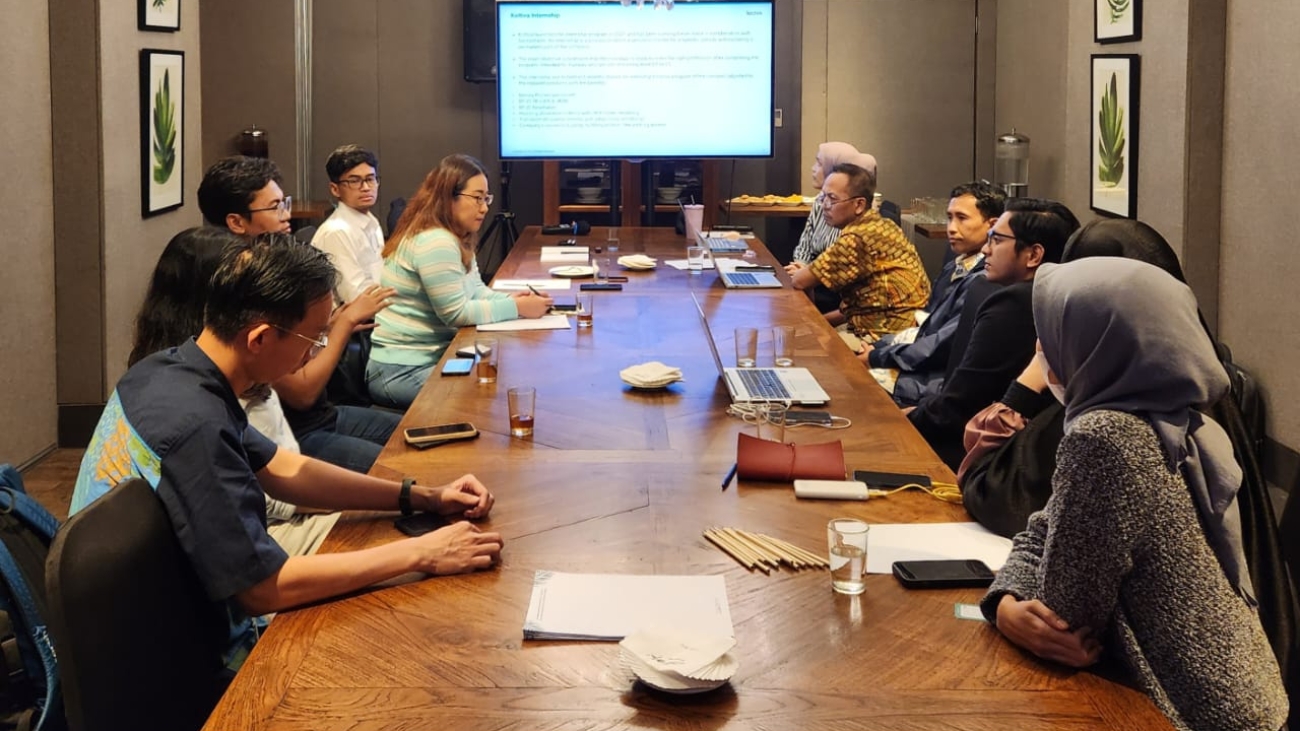
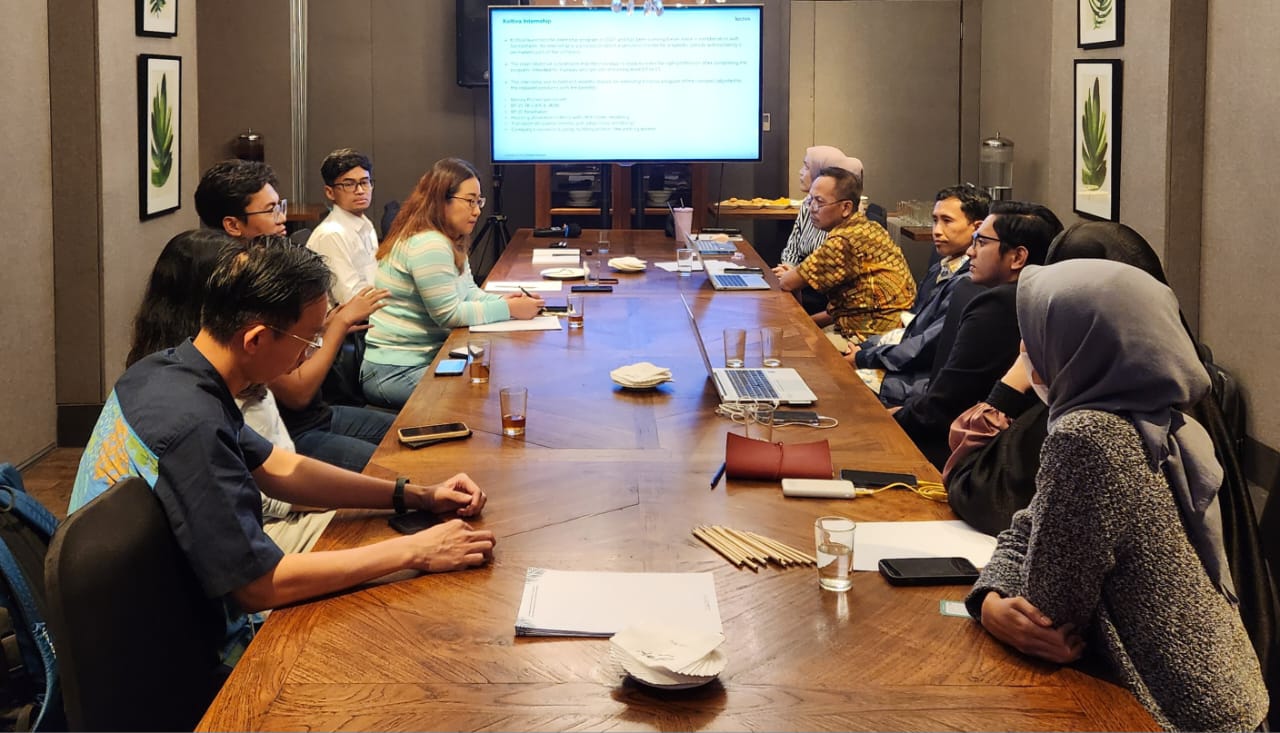
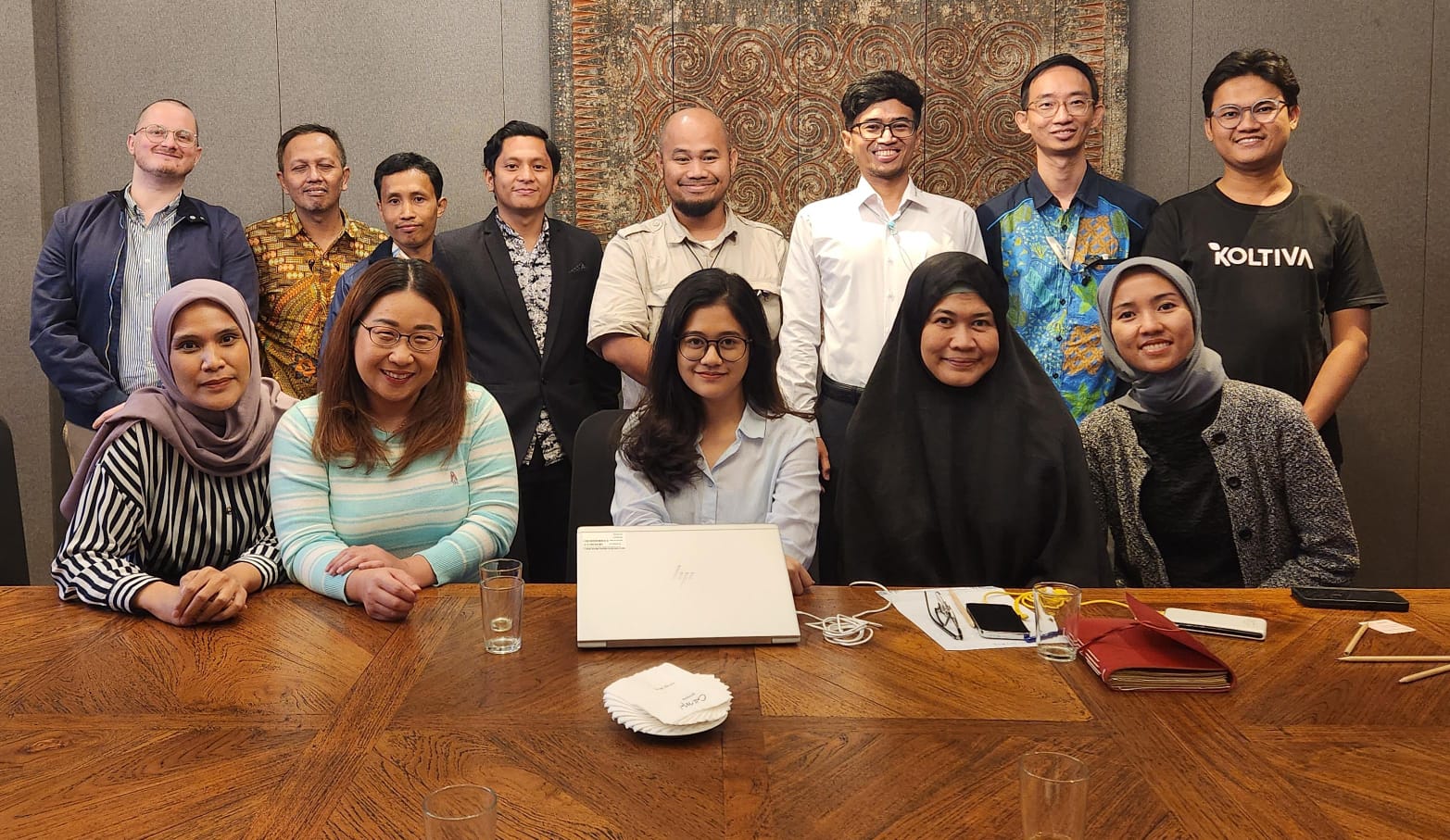
How Digital Forensics can Uncover Fraud at your Organization.

How Digital Forensics can Uncover Fraud at your Organization.

Source: Integrity Asia

Internet and information technology tools pervade all parts of life, enabling people to interact, network, access information, and learn in new, better, and faster ways. However, technology is a double-edged sword. It gives convenience but also opens more doors for criminals to commit any form of fraud, such as financial fraud, asset theft, tax evasion, and data fraud, just to name a few.

Organizations should utilize relevant technology to collect all available and related digital supporting evidence to prove that fraud has been committed.

Search for or recovering of evidence

Evidence is critical in exposing and proving a fraud case. Personal devices store histories of the owner’s behaviors, including personal email, a note on a personal device, a cloud-based document, etc., which are basically digital trails that can shed light on a fraud case and can be used as evidence.

When an employee is suspected of fraud, investigators may find themselves with no clues after conducting a comprehensive investigation. Hence, digital forensic examination of the suspect’s devices may be required.

Let’s take a case of procurement fraud involving a fictitious vendor, for instance. Evidence is needed to prove that the suspect is involved as the owner or at least as a beneficial party. In this case, digital forensics can be done by examining the suspect’s device and analyzing emails, documents, including invoices, which may be found to have been created on the device and in editable form. Also, it is commonly found for a fraudster to falsify evidence, such as editing a screenshot of a message. With digital forensics, this can be investigated to prove authenticity.


A fraudster may attempt to destroy evidence or erase his digital trails. Digital forensics is a rapidly growing field that entails not only searching but also recovering the destroyed data from digital devices to become admissible evidence in court. Data recovered from devices often serve as the foundation of an investigation. This is because typical data on a device can reveal much more information than one might first think of.

While some lost data are difficult to identify in their entirety, thanks to digital forensics, investigators are now able to utilize cutting edge tools to identify file metadata, such as the file creator, when the file was last created, when it was last accessed, etc. By examining the device activity, it is possible to uncover leads that point to crucial facts.

Challenges of digital evidence

It is important to note that digital evidence is volatile in nature because it is subject to change. Given that fact, the courts only admit evidence if its handling is in accordance with applicable forensic rules.

Having digital evidence at hand does not mean it will be readily admissible upon the court. Therefore, handling the digital evidence is critical. Mishandling of digital evidence during the acquisition can result in the court rejecting it.

Digital evidence must meet at least two criteria to be admissible, particularly in Indonesian courts: it must have a digital signature and follow a chain of custody procedure. Hence, it is essential that digital forensics be performed only by an experienced and certified specialist.

Team work

Digital forensic specialists should work with other investigative specialists. Forensic accounting investigators, for example, can assist digital forensic investigators by using specific keywords on computers or other digital media devices to save time and effort during the investigation and then sort out and interpret the gathered data.

Organizations of all sizes, particularly those with a high number of devices and data, require and rely on digital forensics to stay up with the rapid advancement of technology and the sophisticated crimes that accompany it.

—–

Your compliance partner

SwissCham Newsletter: THE TROPICAL ALPINE


Read our complete newsletter here


Dear SwissCham valued members,

Season’s Greetings!

It’s hard to believe that 2021 is almost upon us, as we start to come together with family and friends whether face-to-face or online, I wish you a safe and enjoyable festive time.

2021 is a special year for us, where we celebrate the 70th anniversary of Switzerland and Indonesia diplomatic relations, we welcome the entry into force of Indonesia-EFTA CEPA, and the first time Switzerland entered into the top five list FDI in Indonesia in the first quarter of the year.

This year has been a year of change and resilience where we are able to deliver our mission and support our members’ needs. As a chamber, we completed the annual general meeting and are ready to move forward with an approved program for 2022 and a strong financial position.

This issue will cover the important achievements as above, the special appreciation to Mr. Wolfgang Schanzenbach, one of the initiators behind the founding of the chamber, highlights the chamber’s achievement through sectoral group activities, highlights of members’ achievements and also a warm welcome to our new members; PT. CNC Disain Nusantara, and Renewable Energy Skills Development (RESD) Project.

On behalf of board members, I would like to extend our gratitude to our members for your continuous support and contribution to the chamber in this very special year of the Switzerland – Indonesia relationship.

I wish you and your family an enjoyable festive season and a healthy and relaxing holiday. We look forward to continuing working and collaborating with you in an exciting 2022!

Chris Bendl

Chairman

Happy Holidays From SwissCham Indonesia!

Dear Valued Members, friends and families,

As the end of the year draws near, we would like to take this opportunity to express our heartfelt gratitude to all of you for your continued trust, support, and contributions. 

This year was a special one for the Swiss-Indonesia relationship. We truly enjoyed the exciting work we carried out this year, hosting a wide range of events and achieving new milestones with you. 

This year’s Q4 highlights and activities are featured here. Subscribe to our newsletter to stay up-to-date with all the latest news and activities. Also, make sure to follow us on LinkedIn and Instagram.

Here’s a fun idea to try this holiday season- send Christmas greetings using our filter! We guarantee smiles all around!

Thank you for being such an integral part of our growth in 2021 – we look forward to reaching new heights and successes with you! Until then, have a wonderful holiday season!

Get to Know: Mr. Wolfgang Schanzenbach

Mr. Wolfgang Schanzenbach will retire from the Swiss Business Hub Indonesia (SBH), which is part of the Embassy of Switzerland in Jakarta starting June 2022. Here, he shares below his journey from growing up in Switzerland, his professional carrier milestones until settling down in Jakarta.

Wolfgang will step down as the head of SBH Indonesia in May 2022, leaving a solid footprint in the Swiss business ecosystem in Indonesia in form of a well-established Swiss Business Hub Indonesia and a robust Indonesia SwissCham.

The 65-year-old will return to Switzerland and formally retire with his wife Yvonne at the beautiful Lake Zurich.

From Switzerland to Indonesia

Growing up in Thalwil, a Swiss village located 15 minutes outside of Zürich, Wolfgang Schanzenbach dreamed of exploring the world by becoming an astronaut or pilot. When he matured a little more, he realised that being a chef on a cruise ship could also become an entry door to fulfil his dreams. 

He went on to sign an apprenticeship agreement with Mövenpick restaurant group. However, the stressful working environment and irregular kitchen shift led him to think twice and he subsequently asked his father to cancel the contract.

After a transition year at school, he finally entered the international business arena with a leading Swiss freight & logistics company. He is a believer in lifelong learning, so he joined the “University of Life” which took him all around the world. His passion for travel and learning was underpinned by the motto he subscribed to; carpe diem– enjoy every day as if it would be your last one.

His first business trip brought him to Algeria, Northern Africa, where he was in charge of a project to build up a local TV production site. These initial experiences with the African continent also motivated him to climb Mount Kilimanjaro, the continent’s highest mountain, at the age of 22.

Then, in the early 1980s, he made his inaugural business trip to Asia, visiting the famous Canton Fair, nowadays called Guangzhou. Shenzhen at that time was a little fishing village. Since then, Wolfgang has spent almost 40 years working and living in Asia. He traveled so frequently to this region he has accumulated nearly two million mileage points with Swiss International Airline.

The numerous trips to Asia spurred a fascination towards Southeast Asia, and he became a frequent visitor from the early to mid-1990s as a member of the DKSH Group. With their growing economies, these multicultural and multifaceted nations offered endless business opportunities. 

In 2010, he was delighted to find himself in Jakarta to attend a regional ambassador conference on behalf of Switzerland Global Enterprise (S-GE), the Swiss government-backed trade and investment promotion agency. 

Setting up a Swiss-Ecosystem in Indonesia

Against the backdrop of ongoing Free Trade Agreement negotiations, Wolfgang started to encourage the Swiss government and other stakeholders to invest in new Swiss Business Hub (SBH) offices across the region, especially in Indonesia, Southeast Asia’s largest economy. 

In 2017, he finally received the green light to open the 22nd SBH office in Jakarta in June 2017. Wolfgang was nominated to lead the team and to make sure Indonesia gets finally on the map of Swiss exporting companies.

The former Swiss Ambassador to Indonesia regularly hosted the “CEO breakfast meetings” for Swiss company representatives. During one session, Wolfgang asked the participating CEOs what they needed most. 

A soon conducted survey revealed that many were looking for a common networking and advocacy platform – and the idea for Indonesia SwissCham emerged. Wolfgang was invited to form a task force to finalise a project proposal covering legal frame conditions, cost estimates and rough timelines for the soon-to-be Indonesia SwissCham.

Together with Luthfi Mardiansyah, who would become the first Chairman, and Chris Bendl, his today’s successor, the team produced a joint project plan presented during the next “CEO Breakfast Meeting”.

Participants welcomed the proposal, and the event raised more than US$100,000 financial commitments on the spot! The hard work could finally start. Despite inevitable bureaucratic hurdles, the team successfully collected all the stamps and documents necessary. The inaugural annual general meeting took place on August 1, 2018, coincided with Switzerland’s National Day. 

More than thirty members attended the gathering and approved financial budgets, Articles of Association, Deed of Establishment and proposed an organizational structure. 

Through excellent teamwork and a typically pragmatic Swiss approach, Indonesia SwissCham was officially born – moreover, the mission was accomplished in less than four months! 

Since then, three years have passed, and Indonesia SwissCham has grown to nearly 70 members. It offers quality services to its members and has a committed board supported by an effective organisational structure. It also enjoys a very close cooperation with the Swiss Embassy in Jakarta, and finally yet importantly, is financially very stable despite difficult frame conditions (pandemic).

Besides that, the third relevant platform, Swiss Centre Indonesia (SCI) launched in 2019, offering one-stop services to incoming companies to explore the Indonesian market before either setting up a PT PMA or committing with a local partner. The SCI is wholly owned and managed by three Swiss citizens who run businesses in Indonesia and complements the local Swiss Ecosystem together with the Embassy/SBH Indonesia, and Indonesia SwissCham.

Wolfgang has truly enjoyed his time in Indonesia, both professionally and personally. He is now ready to embark on a new journey,  by getting involved in two to three possible ventures in his home country, with fun as the priority factor.

He wishes the entire SwissEcosystem continued success, sustainable growth, and many more happy companies and individual members, and offers these concluding remarks: “keep going for service excellence”.

Some interesting trivia about Wolfgang Schanzenbach:

  1. His hobbies are tennis, golf, alpine skiing, hiking and wining & dining with friends.
  2. His travel bucket list are the three “I’s”: Island, Ireland and Israel.
  3. His fashion style: Italian designer icons like Armani and Zegna inspire him with their classic and timeless designs.
  4. What does he unnecessarily spend a large amount of money for? Swiss-made watches and handbags for his wife.
  5. A dream guest list for a dinner party (max. 5 people): King Roger Federer and GOAT tennis player whose career he closely witnessed during the last twenty years; the late actor Charles Bronson who was his “action hero” in the early days; the late Freddy Mercury, lead singer of Queen – who remains his absolute favourite pop group to this day; Charlize Theron with her classically elegant beauty; and last but not least, golfer Freddie Couples whose seamless and simple swing always impresses him.
  6. Did you know that he played the clarinet when he was younger? He was also an active boy scout and a Catamaran (Tornado class) skipper.
  7. What ticks does he have? Life is too short not to enjoy a well-prepared meal with quality wine, a Cuban cigar, and a glass of vintage port.
  8. He is most afraid of being stuck in an elevator or undergoing MRI treatment, due to his claustrophobia.
  9. He is grateful for pain-free days. After having undergone more than a dozen surgeries and managing several ongoing “construction sites” daily, waking up in the morning feeling fit is already a blessing and a good start to a new day.
  10. His highlights in Indonesia include; Personally: celebrating his 60th birthday with ten other close friends on a Phinisi (wooden) sailing boat and cruising along the famous Flores islandsProfessionally: to have contributed to Indonesia coming into the radar of Swiss companies, which nowadays can bank on a variety of platforms for an easier settlement.
  11. His one tip to the younger generation: to stay humble, don’t take anything for granted and contribute to society through your personal initiatives.

SwissCham, Swisscontact sign LoI in support of human capital development in Indonesia

Indonesia SwissCham has signed a letter of intent (LoI) with the Swiss government agency Swisscontact, which is implementing the State Secretariat for Economic Affairs (SECO)-funded Skills for Competitiveness (S4C) project in partnership with the Industry Ministry’s Industrial Human Resources Development Agency (BPSDMI).

Following the LoI signing, SwissCham also facilitated the signing of a memorandum of understanding (MoU) between SwissCham member companies and three S4C partner polytechnic institutes to bring experience and know-how to vocational education and training. This momentum builds on an earlier MOU that had been signed between the Indonesian and Swiss governments on Jan. 26, 2018 in Davos, Switzerland.

The MoU signing ceremony was attended and witnessed by the Swiss Ambassador to Indonesia, Kurt Kunz.

Switzerland is known for its strong dual Vocational Education and Training (dVET) system, based on a tradition of operational excellence working closely with the private sector to contribute to creating a competent workforce. To date, the country maintains a strong industry-driven dVET system, which is one of the key qualities of the Swiss economy.

Following the LoI signing, Buehler, Endress+Hauser, Givaudan, Indesso Primata, and Sicpa Peruri Securink joined hands to sign a MoU with three S4C partner polytechnic institutes, namely Jember State Polytechnic, Metal Industry Polytechnic of Morowali and Bantaeng Manufacturing Industry Community Academy.

fWith their long history and experience in dVET, the Swiss government and the Swiss companies are committed to continuously strengthening the quality and relevance of the polytechnic system in Indonesia.

The S4C project was born out of a direct demand for support from the Indonesian government to address the demand supply mismatch in the labor market and the skills mismatch through reinforcement of the relationship between the education system and local industry.

Its overall objective is to contribute to increasing the competitiveness of Indonesian industry in selected sectors through better-qualified professionals educated at five vocational education institutions, in sustainable cooperation with the private sector.

The project is built on two components; school development and system strengthening. This includes strengthening of school management capacities with a focus on industrial relations, supporting the development of teaching “factories” within the polytechnics, development of a teaching approach on dual training, and the upgrading and strengthening of teaching capacities.

Head of human capital sectoral group and vice chairman Indonesia SwissCham Henry Chia noted that the growing Indonesian economy will need not just more young people in the workforce, but better-trained ones, all the way from the shop floor to the top floor.

“The need for this is echoed well under the Making Indonesia 4.0 framework. Swiss companies operating in Indonesia highly value well practically trained professionals and are fully aware that the responsibility for the transfer of knowledge is in the hands of the industries and not the government. SwissCham members see the opportunity to form synergy by linking vocational schools that provide the students and companies with its technologies and resources, and a proven VET system adopted from Swiss institutions, could open up new space for more effective collaboration, benefiting all and to fuel Indonesia’s economic growth,” he explained.

Since the 1970s, Switzerland has been working with Indonesia in upskilling its workforce, which has resulted in a positive recognition by government partners and the public. Some of the key institutions supported include the National Hotel Institute (NHI Bandung) known today as STP Bandung, Politeknik Mekanik Swiss (PMS Bandung), known today as POLMAN Bandung; the Poly Development Center (PEDC in Bandung); Vocational Education Development Center (VEDC Malang) and the Training Center for Subject Matter Knowledge (SMK) Teachers; as well as Polytechnik Akademi Teknik Mesin Industri (ATMI) Solo, partially supported by the Swiss government.

Arus Gunawan, the head of the BPSDMI, said in his remarks that in order to develop the nation’s human capital, Indonesia will require major reforms to its education and vocational institutions.

“Enhancing the quality and relevance of vocational graduates to meet the needs of the private sector from both the vocational school and polytechnic levels will be an important success factor in enhancing global competitiveness, further reducing the skills mismatch and youth unemployment and contributing to a more competitive Indonesian economy. We have learned from the best and greatly appreciate the Swiss government’s commitment to sharing their expertise with us,” he continued.

From the private sector perspective, there are a number of collaboration opportunities to explore. This includes building up or expanding companies’ internal skills training programs, partnering with a training institution (polytechnics or vocational schools) along with a link and match program to do a dual training program. One of the signature programs was providing on-the-job training opportunities for teachers, instructors and students to gain practical insight experience, as well as assigning professionals from companies to be guest lecturers while engaging in curriculum-development processes.

“SwissCham and member companies are committed to supporting the government of Indonesia in developing its human capital and achieving operational excellence in industry. With more engagement, we can bring experience and know-how to vocational education and strengthen the competitiveness of the Indonesian economy,” Henry concluded.

Recently celebrating their 70th anniversary of diplomatic relations, Indonesia and Switzerland are strengthening their ties as partners for growth, marked by stronger diplomacy, the long-awaited beginning of the Indonesia – EFTA Comprehensive Economic Agreement and bilateral trade higher than ever before.

SwissCham Celebrating 70th year of Swiss and Indonesia relations as partners for growth

Switzerland and Indonesia are at an exciting point in history. Commemorating its 70th anniversary of diplomatic relations, the two nations are marching forward as partners in progress, marked by a bilateral trade higher than ever before, and a heightened state of trusted diplomacy. 

To signify both countries’ strengthening ties, Switzerland has made it to the top five in the list of biggest investors in Indonesia for the first time this year. With a total of 118 projects worth $446.2 million, the investment contributes approximately 6.1 percent of the total foreign investment in Q1 2021 – a vast rise compared to last year’s investment of $130.9 million from 554 projects, covering a wide range of industries, with food and beverage industry being the biggest contributor. 

Looking at the rising trade relations between Switzerland and Indonesia, the Swiss-Indonesian Chamber of Commerce (SwissCham) is adamant to foster closer relationships with business communities, government, and all stakeholders based on mutual trust and respect across a wide range of sectors. 

SwissCham is a Swiss and Indonesian Business Association with objective of enabling businesses to connect and excel in Indonesia and Switzerland. Its role is to provide access to a networking platform with a broad range of events, services and benefits to facilitate both corporations and individuals to discover business opportunities and establish valuable connections. 

Other than advocating Swiss Business in Indonesia, SwissCham is committed also to bridge bilateral interest between the two nations. Thus in October 2020, the organization launched SwissCham Sectoral Groups: Ease of Doing Business; Fiscal, Custom and Excise; Human Capital Development; and Sustainability & Innovation to support the commitment through various activities 

As of now, the sectoral groups have conducted a series of initiatives consist of 17 public webinars and public discussions, six advocacy meetings with Indonesian government officials, as well as  CSR program. 

Bringing the Relationship into a New Level 

Meanwhile, in diplomatic areas, as part of the economic strategy for Indonesia, we have seen real progress made on the comprehensive economic partnership deal between Indonesia and four European states: Iceland, Liechtenstein, Norway and Switzerland that have been going since 2010.

The comprehensive economic partnership deal is part of Indonesia-European Free Trade Association (EFTA) Comprehensive Economic Partnership Agreement (IE-CEPA), which concluded in 2018. The agreement aims to improve market access by removing trade barriers on both sides, opening more business-to-business prospects across a wide range of sectors while at the same time promoting the protection of intellectual property rights.

Thus, the year 2021 is very special for the bilateral relationship between Switzerland and Indonesia, ranging from politics, culture, education, to economy. This year will not only mark the beginning of the Indonesia – EFTA Comprehensive Economic Agreement on November 1, 2021, but the milestone also coincides nicely with the 70th anniversary of Diplomatic Relations between Switzerland and Indonesia dated back in November 2, 1951.

Taking great strides to support the Indonesian market

Switzerland is taking great strides to prove its commitment to provide best capabilities to support the Indonesian market. This is marked by the strategic partnership between the business communities in Switzerland and Indonesia to develop potential collaboration based on Switzerland key capabilities.

Going forward with the momentum, Indonesia SwissCham offers a new approach in addressing business challenges through advocacy, knowledge sharing, and collaboration with its sectoral groups.

“We intend to be the leading platform to leverage innovation and operational excellence of Swiss companies to contribute to the betterment of the Indonesian economy. I firmly believe that with our joint efforts, the long tradition of friendship, cooperation and mutual respect between our two great countries will be deepened further in the years ahead,” said SwissCham’s Chairman, Chris Bendl.

Bendl noted that with a relatively young age, the chamber has become an invaluable link between business with Swiss connections and the Government of Switzerland and Indonesia.  

“A hearty congratulation on celebrating 70th Anniversary of Diplomatic Relations between the two great countries Switzerland & Indonesia, and best wishes for the further development of our existing multifaceted cooperation to move forward to a stronger relation in the coming years.”

PT Anugerah Pharmindo Lestari (APL) Won ‘Community Initiative’ Award and ‘Outstanding Leader in Asia’ Title for Its President Director at the Asia Corporate Excellence & Sustainability Awards 2021

PT Anugerah Pharmindo Lestari (APL), a member of Zuellig Pharma, a leading healthcare services company in Indonesia, has been awarded with the ‘Community Initiative’ and ‘Outstanding Leader in Asia’ for APL’s President Director, Christophe Piganiol, at the recent Asia Corporate Excellence and Sustainability (ACES) Awards. Held annually, the ACES Awards is a prestigious international accolade that recognises inspiring leaders, sustainability advocates as well as businesses’ contributions to their communities and the world.

The title was presented to APL for leading the programmes that contribute significantly to the community, having clear objectives and high level of involvement from employees and top management in its sustainability programmes, and having a strong alignment with its core business activities.

APL’s President Director, Christophe Piganiol, was also named as ‘Outstanding Leader in Asia’. He was awarded for his ability to thrive and lead the team which contributed greatly to the growth of the business. He also believes a big aspect of success is the way leader can lead the team with care, which is critical trait as a leader, and it is needed much more than ever now.

“It is our honour to be recognised as one of the ‘community initiative award’ and ‘outstanding leader in Asia’. In APL, sustainability has been embedded in our DNA. Under the four pillars, we took initiatives that aim to help the community and build a healthier future for Indonesia. This recognition will energize us to continue embedding sustainability in all that we do. The distinction that comes from winning as outstanding leader in Asia strengthens my resolve to provide even better conducive environment for the team to develop, and to help the community at large with a particular focus to develop the next generation of leaders who are passionate to drive innovation that makes healthcare more accessible to the Indonesian people,” said Christophe Piganiol, President Director, APL.

News-Letter-MSC-1

Enabling Global Trade in a Fast-Growing Market

MSC


Enabling Global Trade in a Fast-Growing Market

Geneva-headquartered and family-owned MSC Mediterranean Shipping Company, the world’s second largest container shipping company, is celebrating its 25th year of doing business in Indonesia. Dhany Novianto, Managing Director of MSC Indonesia, shares more about the company’s business growth and priorities.

  1. How has the shipping industry been impacted by the global pandemic?

The impact of the COVID-19 pandemic is truly unprecedented. When the pandemic broke out, the shipping sector was initially badly hit by a plunge in global demand, border closures and shortages of port workers and truck drivers. Like many other shipping companies, MSC had to cancel services on several routes.

In the second half of last year, in line with signs of recovery, the company added capacity and started new services to cater to market demand.  However demand shot up much faster than anyone expected and this has been compounded by further challenges in different parts of the supply chain.


  1. How has MSC been helping Indonesia shippers in the face of market challenges? 

Globally, MSC has already started 8 new main line services in the past few months, deployed available vessel capacity and provided hundreds of thousands of additional containers to help respond to the huge demand for cargo transportation in an extremely challenging and congested market.

Locally, we are working closely with our customers and partners on enhanced forecasting and visibility of their volumes. We are also communicating in a timely manner with clients and keeping them informed on what happening in the market including which ports are heavily congested, and how we are operationally dealing with such issues.


  1. How has MSC’s business grown in Indonesia?

We take a personal approach in dealing with customers, which has been key for MSC in Indonesia to be able to grow fast and become one of the market leaders. Good local teamwork, with the support of our head office in Geneva, has also helped us to win the trust of our clients. They can count on us to find a solution for problems they encounter, for instance in terms of equipment shortage and freight availability.

Over the years, we have seen continued solid growth for our business operations in Indonesia and significant growth in our cargo volumes. 

Our headcount and office network has increased; we now have 180 staff in 6 offices: in Belawan, Palembang, Panjang, Jakarta, Semarang and Surabaya. These are all located near the main ports of Indonesia so we can be close to our customers. To further boost our business coverage, we are also represented by third-party agencies in Padang, Batam, Solo, Bandung, Makassar and Bali.


  1. How important is Indonesia for MSC?

Being one of the major global shipping lines operating in Indonesia, we see many opportunities to grow our business further by offering additional services to customers. This includes the wider roll-out of intermodal services (specifically trucking and customs clearance) that had previously been offered on a limited basis. Our aim is to build a one-stop shop, catering to the transport and logistics needs of our customers.

Main exports for MSC include furniture, footwear and tyres but we see opportunities to ship more refrigerated cargo from Indonesia, and to provide intermodal services for cargo such as charcoal, to ensure they can be transported safely with our expertise.

MSC currently offers eight weekly shipping services connecting Indonesia ports with transshipment hub ports like Singapore, Tanjung Pelepas in Malaysia and Yantian in China. We have large mother vessels that call at these transshipment ports in Asia, providing seamless connection for the cargo to other regions such as US and Europe


  1. How has the rising trend of digitalisation impacted MSC?

 The global pandemic has made it clear to us that we need to provide more digital channels for doing business with our customers. Recently in April 2021, we launched MSC Electronic Bill of Lading (eBL), where parties involved in a cargo shipment booking can manage the bill of lading electronically through a blockchain platform, in a quick and cost-efficient manner.

We have a global eBusiness portal, myMSC, launched in 2016, which is well-accepted by the market. We have been steadily increasing the features on this portal. Last year, we launched Instant Quote, which enables customers to quickly and easily get real-time shipping rates for container bookings in just a few seconds.

Digital solutions are highly essential as many of our customers are still working from home due to the ongoing pandemic. Digitalisation is the way forward and we will continue to explore more new online solutions and to push out new features on myMSC, so as to provide greater efficiency, transparency and more options for our customers.


  1. Climate change is a hot topic, what’s MSC’s view on decarbonisation?

As a company, MSC is committed to move towards a zero carbon future. We are actively cutting carbon emissions by improving the way we operate our global fleet of ships, and are exploring the use of alternative fuels including hydrogen derived fuels, methanol as marine fuel and the significant potential benefits of progressing from fossil-based LNG to bio-LNG or synthetic variants. 

Our focus is on finding the pathway to develop new fuel and technology solutions that can be scaleable, and technically and economically viable.

MSC’s efforts to decarbonise include strong partnerships with a range of companies across the industry. In addition to contributing to the work of industry groups and associations, MSC has recently entered into a partnership with Shell to catalyse low-carbon solutions for the shipping sector.

To find out more about how we are progressing on our sustainability journey, please check out our latest Sustainability Report at our website.

Fact box on MSC Mediterranean Shipping Company

  • 570 vessels
  • 215+ routes
  • 500 ports of call
  • 62 terminals
  • 21.5 million TEU* carried annually
  • 524 offices
  • 155 countries
  • 100,000 employees

*TEU: Twenty-foot equivalent unit, the size of a regular container


image-20210830144715-1

Farmers in the Border Region for Food Estate

Last June, Syngenta Indonesia released a story campaign that showcases how we have led the way for Muzanni, a rice farmer from Sambas Regency, a border region in West Kalimantan, to a remarkable journey.

image-20210830144715-1

His early livelihood started as Indonesian Migrant Worker (TKI) in Malaysia. In 1999, he returned to Sambas Regency to extend his work contract. While waiting for the process he tried to plant rice. To his surprise, he grew passion for farming and ever since he has been a rice farmer, even a role model among his fellow farmers.

In the first five years, harvests were low, only 1.8 tons per hectare. But help was not far away. In 2014 he received extensive and unwavering technical support from Syngenta’s field force, supporting him in improving agricultural techniques in rice cultivation. With Syngenta’s tools and know-how, Muzanni transformed his farm and substantially increased his yields up to 8 tons per hectare.

For details of Muzanni’s remarkable journey, let’s take a look at the evocative video here:

Linkedin: https://www.linkedin.com/posts/syngenta_supporting-indonesias-farmers-in-the-border-ugcPost-6808560338049499136-r8wP

Instagram: https://www.instagram.com/p/CNr82lxFcsz/?utm_source=ig_web_copy_link

Syngenta Indonesia is now the leading partner for farmers in Sambas Regency – West Kalimantan, a border region in Indonesia, to support the government in developing food estate. Syngenta is ready to support the government of Indonesia and farmers to develop agriculture in the border areas for building national food estate and a gateway for agricultural exports.


———————//————————


Strategic Partnership that Enables Farm-to Market Support for Farmers


Syngenta Indonesia has established a strategic partnership with TaniHub to enable farm-to-market supports for farmers.

image-20210830144715-2

On 12 and 19 August 2021 Syngenta Indonesia and TaniFoundation (part of TaniHub) conducted their premiere joint activities in the form of farm-to-market trainings that were attended by over 150 farmers from Java, Bali and Lampung. The trainings covered topics around good agriculture practices, financial management, market management, and money lending services. More about the activities can be accessed at: https://www.instagram.com/p/CSy0QE4lvFc/?utm_source=ig_web_copy_link

TaniHub is a prominent startup company in Indoensia engaged in agricultural technology and focusing on a business-to-business e-commerce for agricultural, livestock, and fishery products Since its establishment in mid-2016, TaniHub has succeeded in helping market various agricultural products both inside and outside the country.

This collaboration is an important step to unlocking the potential that digital innovation brings to agriculture in our country, and complements Syngenta’s commercial strategy to work with digital start-ups that connect farmers with multi-stakeholders such as traders, buyers, suppliers and consumers.


image-20210830145107-1

Clariant Indonesia Supplies Hospital with Oxygen in Fight Against Covid-19

10.08.2021 – Clariant Indonesia exemplified outstanding corporate social responsibility and strong community spirit by reaching out to a local hospital that was in dire need of oxygen as the number of COVID-19 patients admitted continued to rise in early July.

image-20210830145107-1


A total of 100 tanks of much needed oxygen were successfully secured by Clariant on 4 July to the hospital in the middle of an oxygen shortage that hit hospitals country-wide.The Royal Taruma Hospital that benefited from Clariant’s CSR cause has been working with our Tangerang site to offer routine antigen tests for our site employees as part of the health protocols for COVID-19 prevention. It was made known to us during a coordination meeting with Clariant Indonesia on the antigen test on 3 July that the hospital was suffering so seriously from an oxygen shortage that it was near the point of collapse. Clariant Indonesia’s management immediately reacted and contacted our nitrogen supplier on their oxygen availability and was able to secure the 100 tanks of oxygen for the hospital the next day.

“Clariant Indonesia and our Tangerang site in particular has been deeply rooted to the community in the past decades. The Royal Taruma Hospital has been offering us good support in our COVID-19 prevention by conducting the antigen test, so we’re especially grateful that we’re able to return the favour this time by helping them out with some urgent supply of oxygen,” said Hans Herrel of Clariant Indonesia.


———————//————————


CLARIANT TANGERANG SITE STEPS UP TO FACILITATE COMMUNITY VACCINATION ROLLOUT


Medical personnel mobilized to help 1,000 community citizens receive their jabs


image-20210830145107-2


Clariant’s Tangerang site in Indonesia, a long-established good corporate citizen in the local community, recently helped facilitate COVID vaccination rollout in the neighborhood. The resultant vaccination program was successfully carried out on 31 July – 2 August, leading to 1,000 community citizens vaccinated against COVID-19.

The 1,000 vaccines were granted by the government for those who do not have access to the internet or a smartphone application to get registered for vaccination. However, the lack of medical personnel qualified to conduct the vaccination threatened to keep the vaccines idle – until Clariant stepped in to help.

As soon as they were made aware of the situation, the Tangerang site management immediately sought help from Clariant’s company doctor, who acted quickly to line up a number of qualified medical personnel to carry out the vaccination duty through her network.

“This is another example in which we demonstrated our ongoing support for the local community in Tangerang, which we really care about through a great community spirit that has been thriving for decades,” said Hans Herrel, Clariant’s Country Head of Indonesia. “Everyone at our site is really delighted to see those who needed the protection of the vaccines were able to get it from this program.”

The vaccination program was carried out on 31 July – 2 August at temple Vihara Dhamma Budhi Bakti in Tangerang, with support of the local government and army. Clariant’s ESHA team and General Affairs colleagues, as well as company doctor were also in attendance to facilitate the rollout of the program that led to a total of 1,000 local citizens receiving their vaccines.