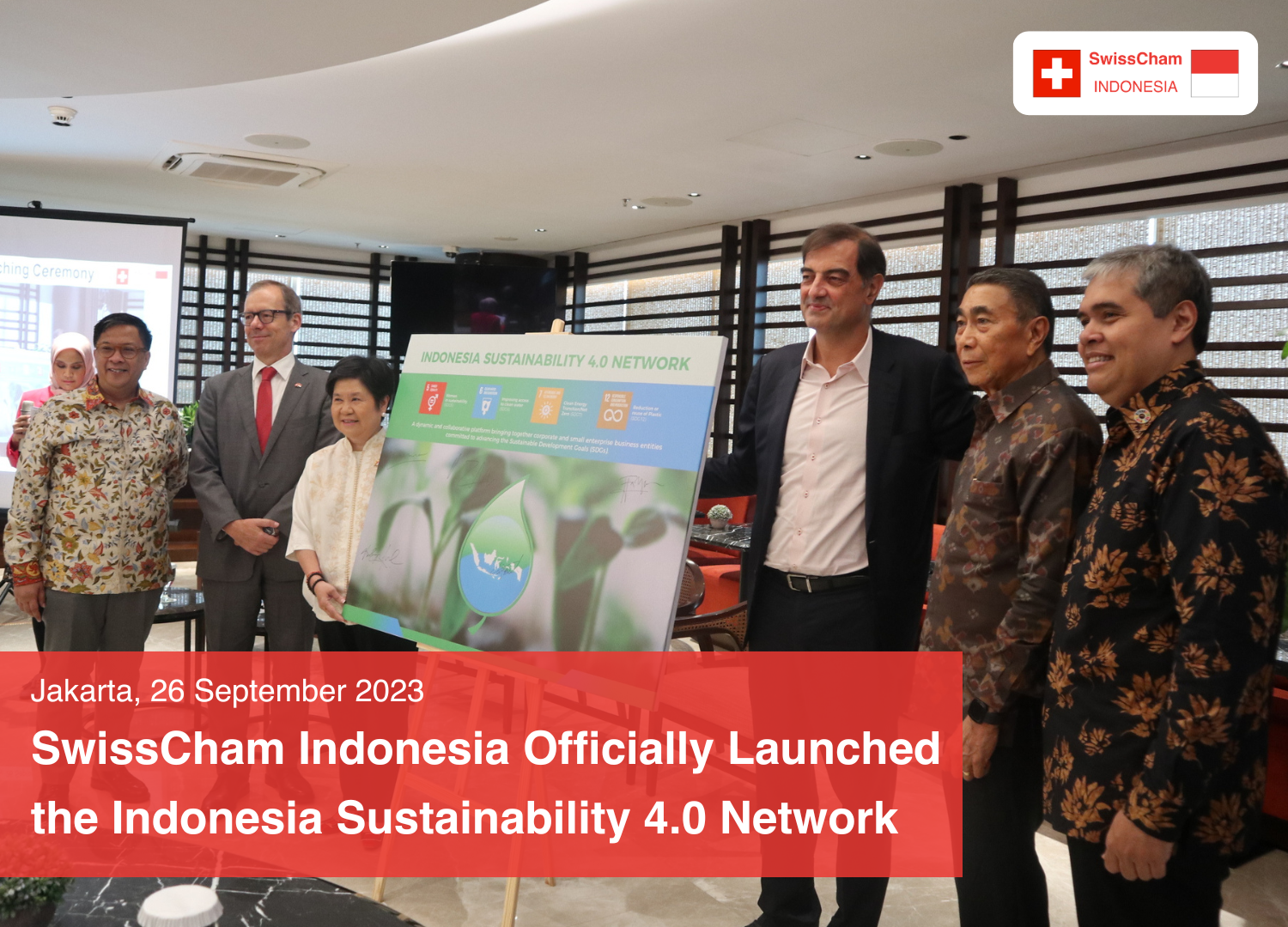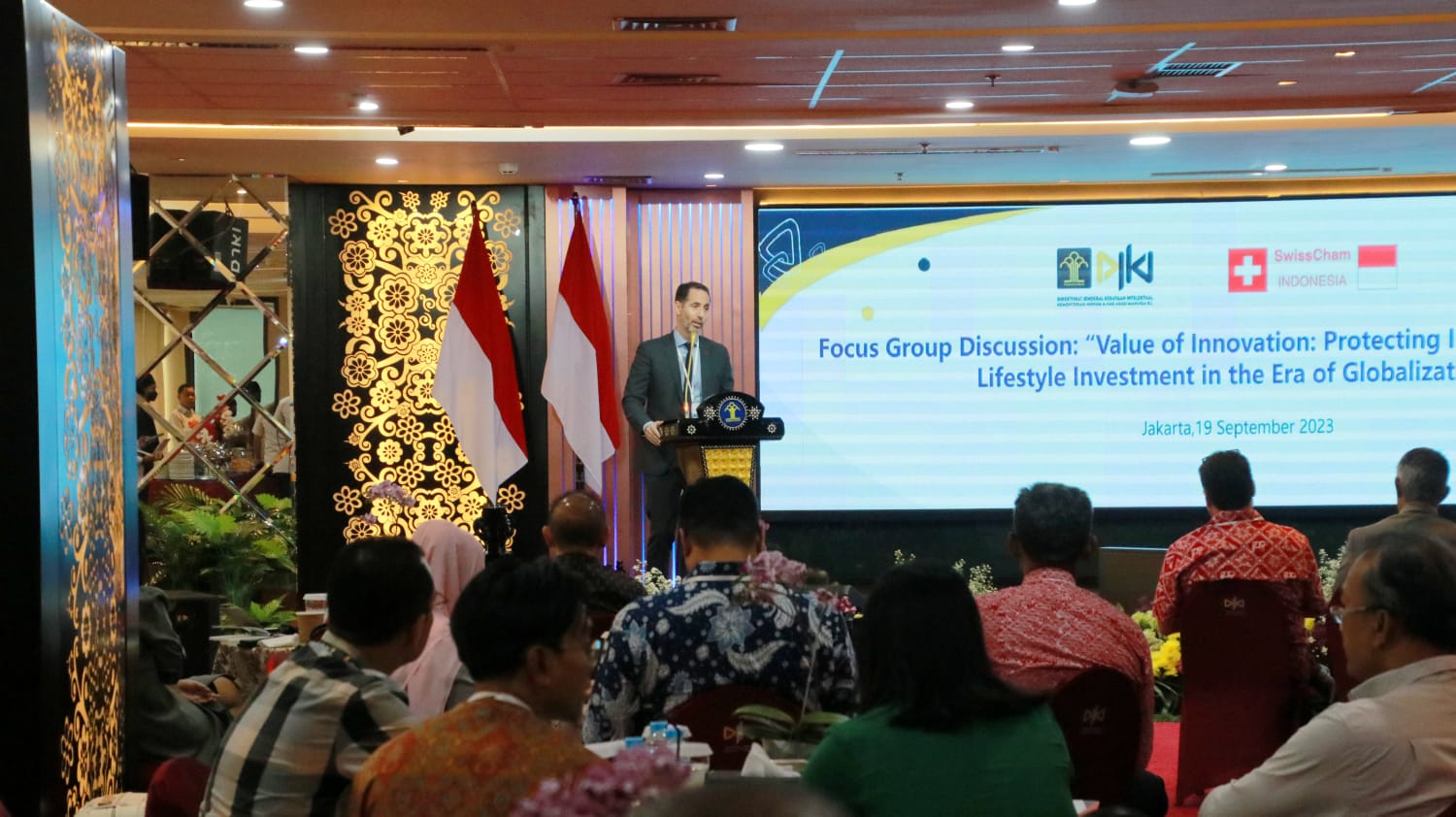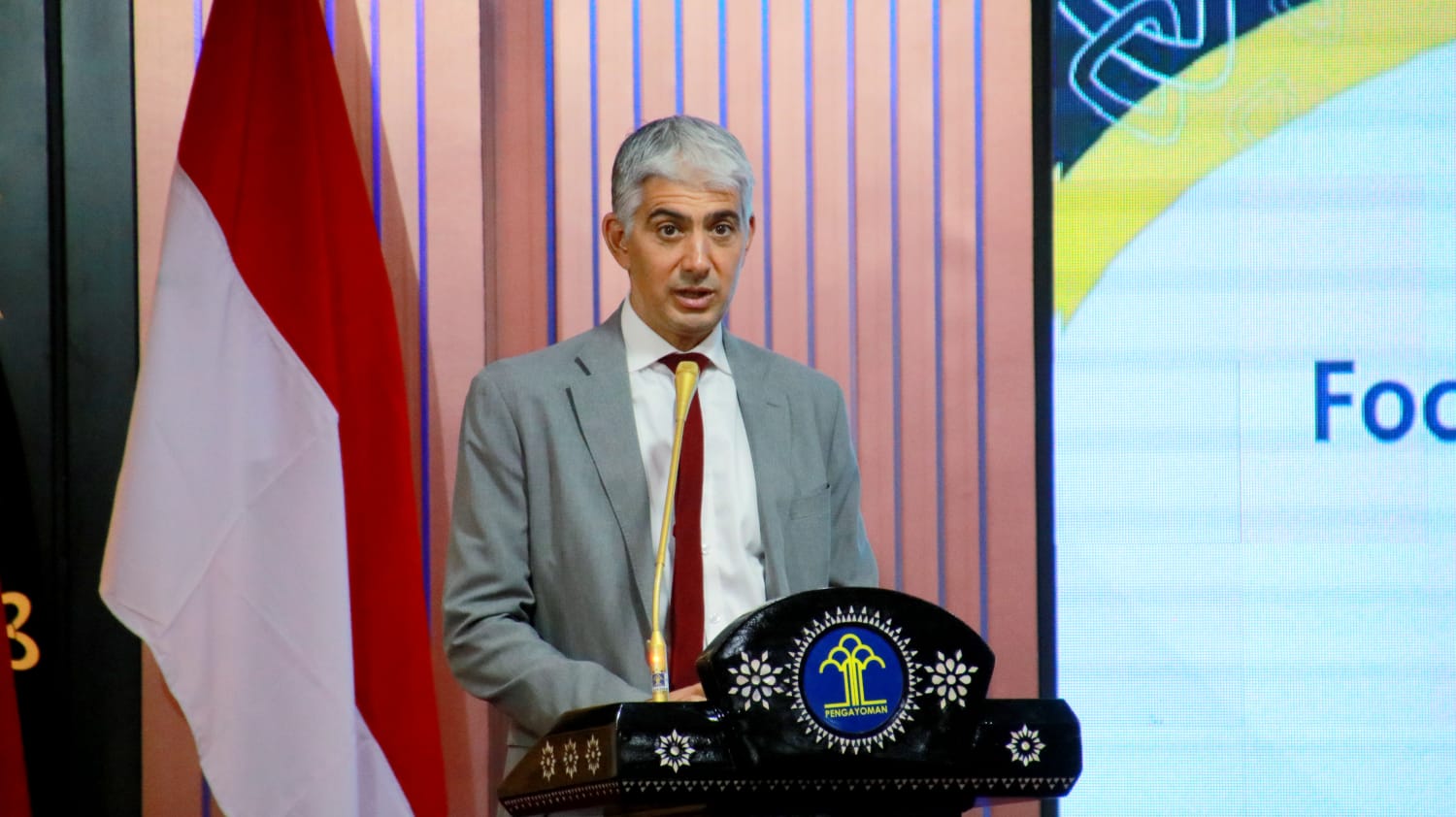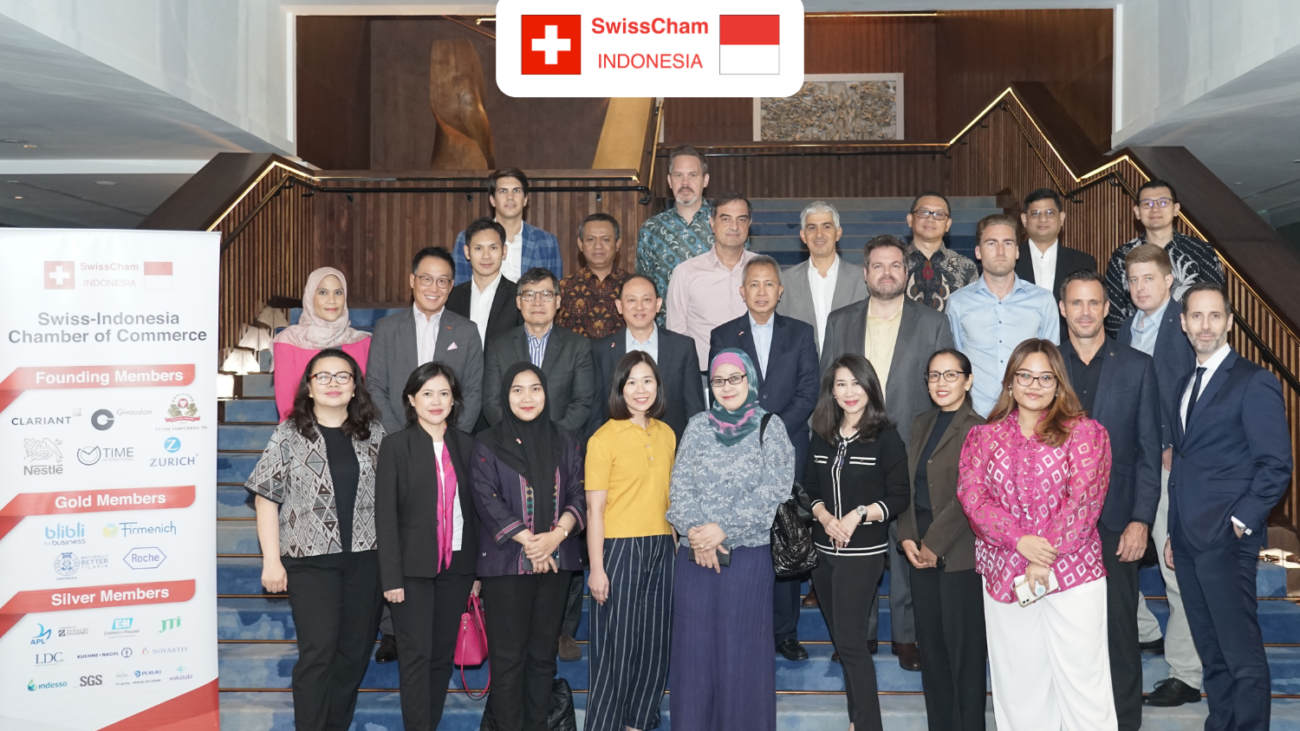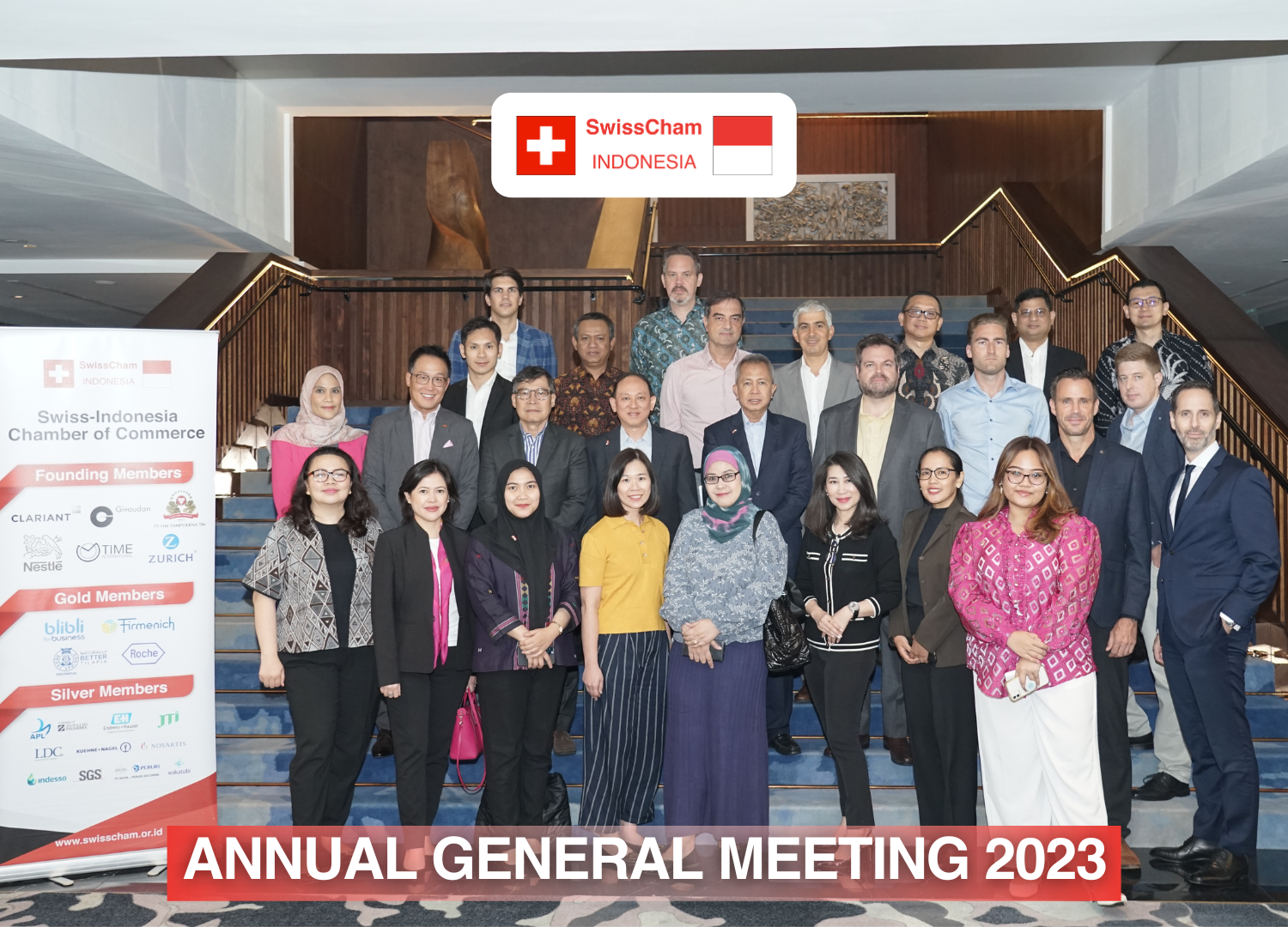
SwissCham Celebrating 70th year of Swiss and Indonesia relations as partners for growth

Switzerland and Indonesia are at an exciting point in history. Commemorating its 70th anniversary of diplomatic relations, the two nations are marching forward as partners in progress, marked by a bilateral trade higher than ever before, and a heightened state of trusted diplomacy. 

To signify both countries’ strengthening ties, Switzerland has made it to the top five in the list of biggest investors in Indonesia for the first time this year. With a total of 118 projects worth $446.2 million, the investment contributes approximately 6.1 percent of the total foreign investment in Q1 2021 – a vast rise compared to last year’s investment of $130.9 million from 554 projects, covering a wide range of industries, with food and beverage industry being the biggest contributor. 

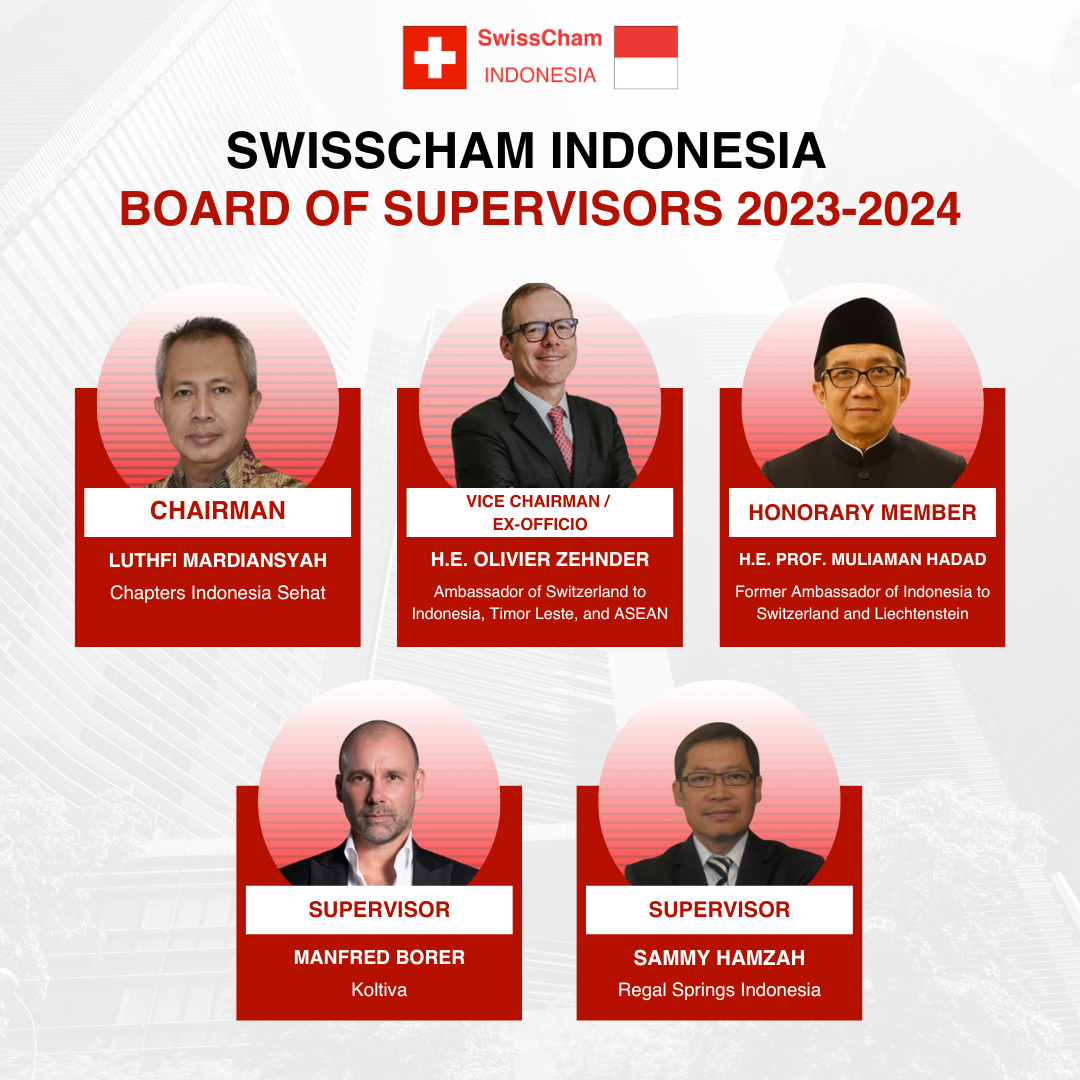
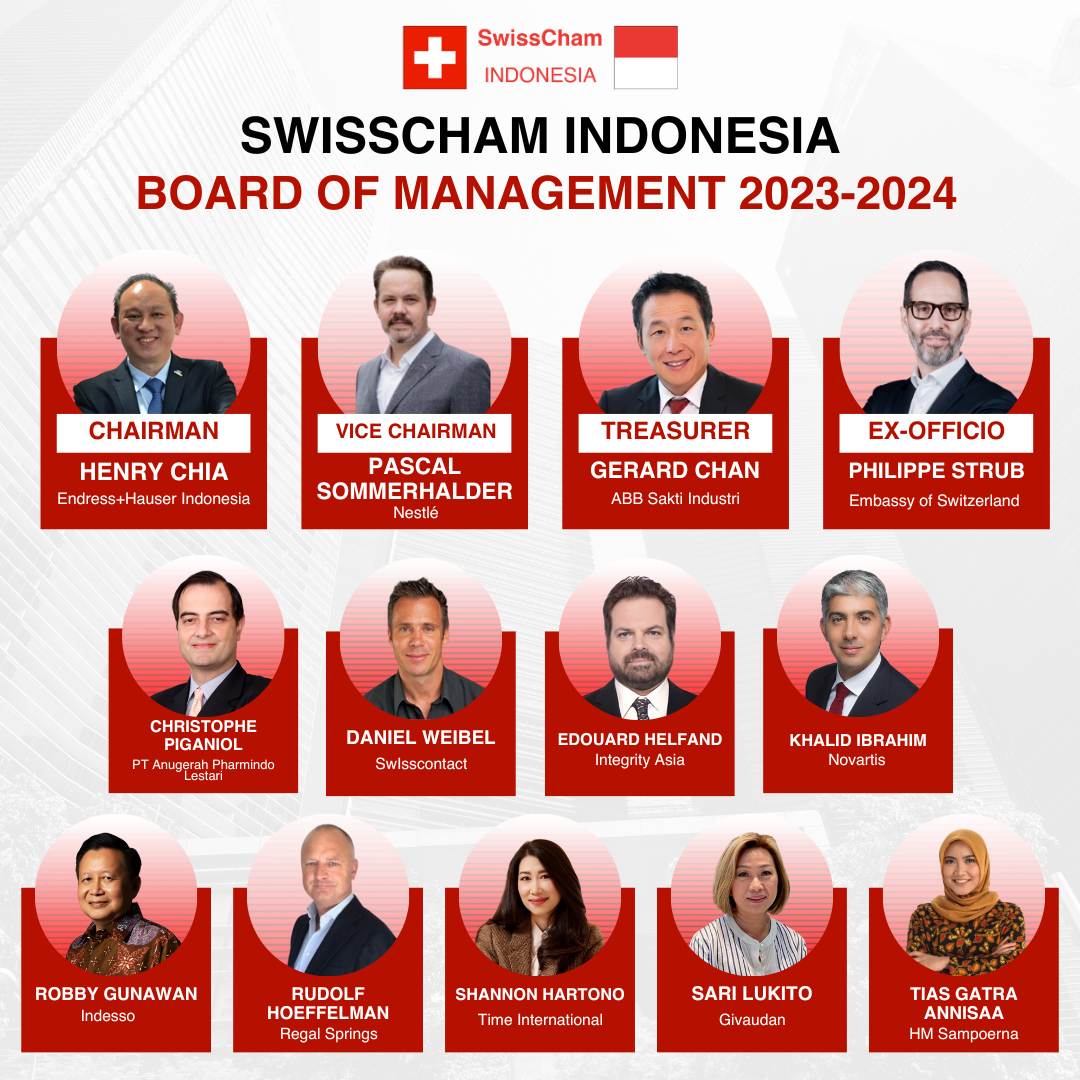
Looking at the rising trade relations between Switzerland and Indonesia, the Swiss-Indonesian Chamber of Commerce (SwissCham) is adamant to foster closer relationships with business communities, government, and all stakeholders based on mutual trust and respect across a wide range of sectors. 

SwissCham is a Swiss and Indonesian Business Association with objective of enabling businesses to connect and excel in Indonesia and Switzerland. Its role is to provide access to a networking platform with a broad range of events, services and benefits to facilitate both corporations and individuals to discover business opportunities and establish valuable connections. 

Other than advocating Swiss Business in Indonesia, SwissCham is committed also to bridge bilateral interest between the two nations. Thus in October 2020, the organization launched SwissCham Sectoral Groups: Ease of Doing Business; Fiscal, Custom and Excise; Human Capital Development; and Sustainability & Innovation to support the commitment through various activities 

As of now, the sectoral groups have conducted a series of initiatives consist of 17 public webinars and public discussions, six advocacy meetings with Indonesian government officials, as well as  CSR program. 

Bringing the Relationship into a New Level 

Meanwhile, in diplomatic areas, as part of the economic strategy for Indonesia, we have seen real progress made on the comprehensive economic partnership deal between Indonesia and four European states: Iceland, Liechtenstein, Norway and Switzerland that have been going since 2010.

The comprehensive economic partnership deal is part of Indonesia-European Free Trade Association (EFTA) Comprehensive Economic Partnership Agreement (IE-CEPA), which concluded in 2018. The agreement aims to improve market access by removing trade barriers on both sides, opening more business-to-business prospects across a wide range of sectors while at the same time promoting the protection of intellectual property rights.

Thus, the year 2021 is very special for the bilateral relationship between Switzerland and Indonesia, ranging from politics, culture, education, to economy. This year will not only mark the beginning of the Indonesia – EFTA Comprehensive Economic Agreement on November 1, 2021, but the milestone also coincides nicely with the 70th anniversary of Diplomatic Relations between Switzerland and Indonesia dated back in November 2, 1951.

Taking great strides to support the Indonesian market

Switzerland is taking great strides to prove its commitment to provide best capabilities to support the Indonesian market. This is marked by the strategic partnership between the business communities in Switzerland and Indonesia to develop potential collaboration based on Switzerland key capabilities.

Going forward with the momentum, SwissCham Indonesia offers a new approach in addressing business challenges through advocacy, knowledge sharing, and collaboration with its sectoral groups.

“We intend to be the leading platform to leverage innovation and operational excellence of Swiss companies to contribute to the betterment of the Indonesian economy. I firmly believe that with our joint efforts, the long tradition of friendship, cooperation and mutual respect between our two great countries will be deepened further in the years ahead,” said SwissCham’s Chairman, Chris Bendl.

Bendl noted that with a relatively young age, the chamber has become an invaluable link between business with Swiss connections and the Government of Switzerland and Indonesia.  

“A hearty congratulation on celebrating 70th Anniversary of Diplomatic Relations between the two great countries Switzerland & Indonesia, and best wishes for the further development of our existing multifaceted cooperation to move forward to a stronger relation in the coming years.”

PT Anugerah Pharmindo Lestari (APL) Won ‘Community Initiative’ Award and ‘Outstanding Leader in Asia’ Title for Its President Director at the Asia Corporate Excellence & Sustainability Awards 2021

PT Anugerah Pharmindo Lestari (APL), a member of Zuellig Pharma, a leading healthcare services company in Indonesia, has been awarded with the ‘Community Initiative’ and ‘Outstanding Leader in Asia’ for APL’s President Director, Christophe Piganiol, at the recent Asia Corporate Excellence and Sustainability (ACES) Awards. Held annually, the ACES Awards is a prestigious international accolade that recognises inspiring leaders, sustainability advocates as well as businesses’ contributions to their communities and the world.

The title was presented to APL for leading the programmes that contribute significantly to the community, having clear objectives and high level of involvement from employees and top management in its sustainability programmes, and having a strong alignment with its core business activities.

APL’s President Director, Christophe Piganiol, was also named as ‘Outstanding Leader in Asia’. He was awarded for his ability to thrive and lead the team which contributed greatly to the growth of the business. He also believes a big aspect of success is the way leader can lead the team with care, which is critical trait as a leader, and it is needed much more than ever now.

“It is our honour to be recognised as one of the ‘community initiative award’ and ‘outstanding leader in Asia’. In APL, sustainability has been embedded in our DNA. Under the four pillars, we took initiatives that aim to help the community and build a healthier future for Indonesia. This recognition will energize us to continue embedding sustainability in all that we do. The distinction that comes from winning as outstanding leader in Asia strengthens my resolve to provide even better conducive environment for the team to develop, and to help the community at large with a particular focus to develop the next generation of leaders who are passionate to drive innovation that makes healthcare more accessible to the Indonesian people,” said Christophe Piganiol, President Director, APL.

News-Letter-MSC-1

Enabling Global Trade in a Fast-Growing Market

MSC


Enabling Global Trade in a Fast-Growing Market

Geneva-headquartered and family-owned MSC Mediterranean Shipping Company, the world’s second largest container shipping company, is celebrating its 25th year of doing business in Indonesia. Dhany Novianto, Managing Director of MSC Indonesia, shares more about the company’s business growth and priorities.

  1. How has the shipping industry been impacted by the global pandemic?

The impact of the COVID-19 pandemic is truly unprecedented. When the pandemic broke out, the shipping sector was initially badly hit by a plunge in global demand, border closures and shortages of port workers and truck drivers. Like many other shipping companies, MSC had to cancel services on several routes.

In the second half of last year, in line with signs of recovery, the company added capacity and started new services to cater to market demand.  However demand shot up much faster than anyone expected and this has been compounded by further challenges in different parts of the supply chain.


  1. How has MSC been helping Indonesia shippers in the face of market challenges? 

Globally, MSC has already started 8 new main line services in the past few months, deployed available vessel capacity and provided hundreds of thousands of additional containers to help respond to the huge demand for cargo transportation in an extremely challenging and congested market.

Locally, we are working closely with our customers and partners on enhanced forecasting and visibility of their volumes. We are also communicating in a timely manner with clients and keeping them informed on what happening in the market including which ports are heavily congested, and how we are operationally dealing with such issues.


  1. How has MSC’s business grown in Indonesia?

We take a personal approach in dealing with customers, which has been key for MSC in Indonesia to be able to grow fast and become one of the market leaders. Good local teamwork, with the support of our head office in Geneva, has also helped us to win the trust of our clients. They can count on us to find a solution for problems they encounter, for instance in terms of equipment shortage and freight availability.

Over the years, we have seen continued solid growth for our business operations in Indonesia and significant growth in our cargo volumes. 

Our headcount and office network has increased; we now have 180 staff in 6 offices: in Belawan, Palembang, Panjang, Jakarta, Semarang and Surabaya. These are all located near the main ports of Indonesia so we can be close to our customers. To further boost our business coverage, we are also represented by third-party agencies in Padang, Batam, Solo, Bandung, Makassar and Bali.


  1. How important is Indonesia for MSC?

Being one of the major global shipping lines operating in Indonesia, we see many opportunities to grow our business further by offering additional services to customers. This includes the wider roll-out of intermodal services (specifically trucking and customs clearance) that had previously been offered on a limited basis. Our aim is to build a one-stop shop, catering to the transport and logistics needs of our customers.

Main exports for MSC include furniture, footwear and tyres but we see opportunities to ship more refrigerated cargo from Indonesia, and to provide intermodal services for cargo such as charcoal, to ensure they can be transported safely with our expertise.

MSC currently offers eight weekly shipping services connecting Indonesia ports with transshipment hub ports like Singapore, Tanjung Pelepas in Malaysia and Yantian in China. We have large mother vessels that call at these transshipment ports in Asia, providing seamless connection for the cargo to other regions such as US and Europe


  1. How has the rising trend of digitalisation impacted MSC?

 The global pandemic has made it clear to us that we need to provide more digital channels for doing business with our customers. Recently in April 2021, we launched MSC Electronic Bill of Lading (eBL), where parties involved in a cargo shipment booking can manage the bill of lading electronically through a blockchain platform, in a quick and cost-efficient manner.

We have a global eBusiness portal, myMSC, launched in 2016, which is well-accepted by the market. We have been steadily increasing the features on this portal. Last year, we launched Instant Quote, which enables customers to quickly and easily get real-time shipping rates for container bookings in just a few seconds.

Digital solutions are highly essential as many of our customers are still working from home due to the ongoing pandemic. Digitalisation is the way forward and we will continue to explore more new online solutions and to push out new features on myMSC, so as to provide greater efficiency, transparency and more options for our customers.


  1. Climate change is a hot topic, what’s MSC’s view on decarbonisation?

As a company, MSC is committed to move towards a zero carbon future. We are actively cutting carbon emissions by improving the way we operate our global fleet of ships, and are exploring the use of alternative fuels including hydrogen derived fuels, methanol as marine fuel and the significant potential benefits of progressing from fossil-based LNG to bio-LNG or synthetic variants. 

Our focus is on finding the pathway to develop new fuel and technology solutions that can be scaleable, and technically and economically viable.

MSC’s efforts to decarbonise include strong partnerships with a range of companies across the industry. In addition to contributing to the work of industry groups and associations, MSC has recently entered into a partnership with Shell to catalyse low-carbon solutions for the shipping sector.

To find out more about how we are progressing on our sustainability journey, please check out our latest Sustainability Report at our website.

Fact box on MSC Mediterranean Shipping Company

  • 570 vessels
  • 215+ routes
  • 500 ports of call
  • 62 terminals
  • 21.5 million TEU* carried annually
  • 524 offices
  • 155 countries
  • 100,000 employees

*TEU: Twenty-foot equivalent unit, the size of a regular container


image-20210830144715-1

Farmers in the Border Region for Food Estate

Last June, Syngenta Indonesia released a story campaign that showcases how we have led the way for Muzanni, a rice farmer from Sambas Regency, a border region in West Kalimantan, to a remarkable journey.

image-20210830144715-1

His early livelihood started as Indonesian Migrant Worker (TKI) in Malaysia. In 1999, he returned to Sambas Regency to extend his work contract. While waiting for the process he tried to plant rice. To his surprise, he grew passion for farming and ever since he has been a rice farmer, even a role model among his fellow farmers.

In the first five years, harvests were low, only 1.8 tons per hectare. But help was not far away. In 2014 he received extensive and unwavering technical support from Syngenta’s field force, supporting him in improving agricultural techniques in rice cultivation. With Syngenta’s tools and know-how, Muzanni transformed his farm and substantially increased his yields up to 8 tons per hectare.

For details of Muzanni’s remarkable journey, let’s take a look at the evocative video here:

Linkedin: https://www.linkedin.com/posts/syngenta_supporting-indonesias-farmers-in-the-border-ugcPost-6808560338049499136-r8wP

Instagram: https://www.instagram.com/p/CNr82lxFcsz/?utm_source=ig_web_copy_link

Syngenta Indonesia is now the leading partner for farmers in Sambas Regency – West Kalimantan, a border region in Indonesia, to support the government in developing food estate. Syngenta is ready to support the government of Indonesia and farmers to develop agriculture in the border areas for building national food estate and a gateway for agricultural exports.


———————//————————


Strategic Partnership that Enables Farm-to Market Support for Farmers


Syngenta Indonesia has established a strategic partnership with TaniHub to enable farm-to-market supports for farmers.

image-20210830144715-2

On 12 and 19 August 2021 Syngenta Indonesia and TaniFoundation (part of TaniHub) conducted their premiere joint activities in the form of farm-to-market trainings that were attended by over 150 farmers from Java, Bali and Lampung. The trainings covered topics around good agriculture practices, financial management, market management, and money lending services. More about the activities can be accessed at: https://www.instagram.com/p/CSy0QE4lvFc/?utm_source=ig_web_copy_link

TaniHub is a prominent startup company in Indoensia engaged in agricultural technology and focusing on a business-to-business e-commerce for agricultural, livestock, and fishery products Since its establishment in mid-2016, TaniHub has succeeded in helping market various agricultural products both inside and outside the country.

This collaboration is an important step to unlocking the potential that digital innovation brings to agriculture in our country, and complements Syngenta’s commercial strategy to work with digital start-ups that connect farmers with multi-stakeholders such as traders, buyers, suppliers and consumers.


image-20210830145107-1

Clariant Indonesia Supplies Hospital with Oxygen in Fight Against Covid-19

10.08.2021 – Clariant Indonesia exemplified outstanding corporate social responsibility and strong community spirit by reaching out to a local hospital that was in dire need of oxygen as the number of COVID-19 patients admitted continued to rise in early July.

image-20210830145107-1


A total of 100 tanks of much needed oxygen were successfully secured by Clariant on 4 July to the hospital in the middle of an oxygen shortage that hit hospitals country-wide.The Royal Taruma Hospital that benefited from Clariant’s CSR cause has been working with our Tangerang site to offer routine antigen tests for our site employees as part of the health protocols for COVID-19 prevention. It was made known to us during a coordination meeting with Clariant Indonesia on the antigen test on 3 July that the hospital was suffering so seriously from an oxygen shortage that it was near the point of collapse. Clariant Indonesia’s management immediately reacted and contacted our nitrogen supplier on their oxygen availability and was able to secure the 100 tanks of oxygen for the hospital the next day.

“Clariant Indonesia and our Tangerang site in particular has been deeply rooted to the community in the past decades. The Royal Taruma Hospital has been offering us good support in our COVID-19 prevention by conducting the antigen test, so we’re especially grateful that we’re able to return the favour this time by helping them out with some urgent supply of oxygen,” said Hans Herrel of Clariant Indonesia.


———————//————————


CLARIANT TANGERANG SITE STEPS UP TO FACILITATE COMMUNITY VACCINATION ROLLOUT


Medical personnel mobilized to help 1,000 community citizens receive their jabs


image-20210830145107-2


Clariant’s Tangerang site in Indonesia, a long-established good corporate citizen in the local community, recently helped facilitate COVID vaccination rollout in the neighborhood. The resultant vaccination program was successfully carried out on 31 July – 2 August, leading to 1,000 community citizens vaccinated against COVID-19.

The 1,000 vaccines were granted by the government for those who do not have access to the internet or a smartphone application to get registered for vaccination. However, the lack of medical personnel qualified to conduct the vaccination threatened to keep the vaccines idle – until Clariant stepped in to help.

As soon as they were made aware of the situation, the Tangerang site management immediately sought help from Clariant’s company doctor, who acted quickly to line up a number of qualified medical personnel to carry out the vaccination duty through her network.

“This is another example in which we demonstrated our ongoing support for the local community in Tangerang, which we really care about through a great community spirit that has been thriving for decades,” said Hans Herrel, Clariant’s Country Head of Indonesia. “Everyone at our site is really delighted to see those who needed the protection of the vaccines were able to get it from this program.”

The vaccination program was carried out on 31 July – 2 August at temple Vihara Dhamma Budhi Bakti in Tangerang, with support of the local government and army. Clariant’s ESHA team and General Affairs colleagues, as well as company doctor were also in attendance to facilitate the rollout of the program that led to a total of 1,000 local citizens receiving their vaccines.

Novartis Indonesia and Indonesian Ministry of Health Signed an MOU for Non-Communicable Disease Control

We are proud to announce that on May 7th, 2021, Novartis Indonesia and the Ministry of Health of Republic of Indonesia had signed a Memorandum of Understanding (MoU) in the area of Non-Communicable Disease Control.  Khalid Ibrahim, President Director of Novartis Indonesia signed the MOU together with drg. Oscar Primadi MPH, Secretary General of the Ministry of Health of Republic of Indonesia.

This marked the fourth MoU Novartis Indonesia have signed with the Ministry of Health and one of the true demonstration of our commitment in re-imagine medicine; to improve healthcare system and our patients’ quality of life, through collaboration and partnership with our respective stakeholders.

Non-Communicable Diseases (NCD) has become one of the major health problems and highest cause of death in Indonesia. Through this MoU, we will be strengthening the cross-sector synergy, between public and private to improve the health outcomes.

This partnership will bring a significant contribution in strengthening Indonesia healthcare system, and most importantly to help patients in Indonesia to get better quality of life.

For your information an article published in the Ministry of Health’s official website in below link:

https://sehatnegeriku.kemkes.go.id/baca/berita-utama/20210507/3437732/kemenkes-pt-novartis-indonesia-jalin-kerja-sama-bidang-pengendalian-penyakit-tidak-menular/


Health and Product Integrity

Counterfeiting, tampering and contraband of goods are a major global predicament. These illegal activities fall under IPR infringement, consumer protection and consumer health and safety for a large number of products: from ingestible products (e.g., medicines and liquors) to chemicals (e.g., cosmetics, pesticides), equipment and spare parts (e.g., medical devices, surgical masks and auto spare parts). The advancement in virtual technology and physical transport, such as the presence of e-commerce and dark web as well as the filling of the logistical last miles, have spread the issues to all corners of society while allowing counterfeiters to fly under the radar.

However, technology can also work in assisting stakeholders to withstand the trend and uphold product integrity. Through brand protection programs, brand owners can collaborate with other stakeholders and law enforcement authorities in keeping products within safe and sanitary standards.

Illegal products and their impact on health

Counterfeiting, according to WTO, is an unauthorized representation of a registered trademark carried on goods identical or similar to goods for which the trademark is registered, with a view to deceiving the purchaser into believing that they are buying the original goods. As counterfeits are generally not controlled, they do not follow standards such as pharmaceutical products might not have active ingredients or the right dosage of them.

Among the counterfeits that endanger consumers’ lives are liquor products. While original brands of liquor are produced using safe edible grades of ethanol, the counterfeit ones are produced with cheaper types of alcohol sometimes leading to methanol poisoning. In Indonesia, statistics vary from hundreds to thousands of deaths per year. The case of the deaths of three students from a university in Salatiga in March 2021 adds to the long list of victims who died from consumption of counterfeit liquor. Most counterfeit liquor in Indonesia is homemade, sold and distributed illegally.

As ugly as counterfeiting, product tampering refers to intentional modification of products after they have been manufactured. The case of tampering products is a constant issue for the pharmaceutical industry in Indonesia. The discovery of 197 types of tampered medicines in Semarang in 2019 is one of the many cases. The bad actor repackaged generic drugs into non generic patent drugs, which were more expensive. In addition, he also faked expiration dates, drug packaging, and drug capsules. The suspect had a company license for the procurement, storage, distribution of drugs and / or drug ingredients in large quantities in accordance with the provisions of the statutory regulations. He used his company to distribute tampered drugs.

Another issue is contraband of products that might not be counterfeit but could be substandard products according to regulators. For instance, some cosmetics contain mercury, causing high risks on consumers’ health.

While contrabands are brought by importers, some counterfeits and tampered products are homemade or produced by local manufacturers. Take the selling of fake auto spare parts as an example. Most of these illegal products in Indonesia are made by local manufacturers with poor technology that ignore safety and security standards. Spare parts that are often faked are oil filters, air filters and brake pads. These counterfeits are found in marketplaces and sold in brick-and-mortar shops, including legitimate shops, sometimes packed together with original ones.

The increasing trend of counterfeiting

With the pandemic, the already fast-growing trend of online shopping exploded. The imposition of global-scale social distancing, travel ban and closure of brick-and-mortar have forced businesses to fully distribute their products directly to their consumers, mostly using online platforms like e-commerce.

The ease of online markets has made it the preferred channels for fraudsters to distribute illegal goods, increasing health and safety issues. Setting up a low-cost attractive store in e-commerce is much easier compared to a conventional store. Not only do counterfeiters benefit from e-commerce, but they also take advantage of the dark web to sell their illegal products. Covid-19 vaccines, vaccine passports and fake negative test results are reportedly being sold on the dark web.

As more stakeholders fight them back and watch their every move, the counterfeiters start to adapt by working in organized counterfeiter rings. This has enabled them to identify and make use of any weakness by scrutinising legal systems to infiltrate legal supply chains, conducting surveillance on law enforcement personnel, and engaging professional facilitators to move the illegal products.

The challenge in fighting counterfeits

The fundamentals of fighting counterfeits are to protect brands’ assets and consumers’ safety. This should be done comprehensively through anti-counterfeiting programs, which include prevention, detection and investigation. And this requires the involvement of all stakeholders from brands, consumers, marketplaces, and government, as well as Law Enforcement Agencies (LEA).

Prevention

Recycling packages is the utter basic way of prevention. This method is preventing the packaging from being misused by counterfeiters (refilling of perfume and liquor bottles for instance, collection of expired products), which can be done as a CSR program. A more innovative prevention is carried out by utilizing blockchain technology. The ledger can record many details of the product made by brand owners, including information about who owns the product, when the product was made, details of the logo, and others. This way, brand owners and consumers can easily authenticate their products and distinguish them from a fake one.

Deterrence can also come from imposing laws with strong penalties and charges for all counterfeits. In Indonesia, some laws concerning IPR infringement, health and consumer protection are:

  • Government Regulation (PP) Number 80 of 2019 concerning Trading through Electronic. The regulation explained the sanction for business actors found to harm consumers. However, the challenging part is to prove the health issue, which is not always easy. The sanctions are administrative, such as a written warning, labeled as under supervision, blacklisted, block on online marketplaces, and more.
  • Law Number 20 of 2016 concerning Trademarks and Geographical Indications. Article 100 provides the threat and punishment for a brand counterfeiter with a maximum imprisonment of 5 years. In fact, if the counterfeit goods result in death, a sentence of 10 years in prison can be imposed.
  • Law Number 20 of 2016 concerning Trademarks and Geographical Indications. Article 102 provides threat and punishment for any person who trades counterfeit goods with a maximum imprisonment of 1 year or a maximum fine of two hundred million rupiah.
  • Law No. 8/1999 regarding Consumer Protection. The law states that a business actor must provide real and honest information about a product offered in order to protect the consumer right. A business actor proven to provide wrong information must take out the offered product from the market and stop its distribution.

Detection

As for efforts to detect illegal products, one way is to set up a whistleblowing system where brands can involve distribution channels and consumers to report when they find fake products.

Detection effort is also carried out by the Indonesian government with the implementation of the IPR border measure system. The system requires IPR and trademarks holders to record their Copyright and Trademarks. The terms and procedures for this are regulated under The Government Regulation Number 20 of 2017. Through the automation system, the Customs can provide direct notification to the owners if there is a suspected IPR infringement. With this notification, the owners can propose a temporary suspension.

In order to comply with the Consumer Protection Law and Trading through Electronic law, the marketplaces provide tools for consumers to report fake products and later to take them down.

Investigation and enforcement

Investigation work is integral in tackling the ever-growing threats related to IPR infringements. Brand owners or right holders with the assistance of professional consultants can conduct investigations both in online and offline streams. The aim is to identify the main sources, which will later be reported to the relevant LEA for further enforcement purposes depending on the cases. LEAs in Indonesia are among others the Directorate General of Intellectual Property, BPOM, Customs, and the Police.

For cases of IPR infringement action against counterfeits as a complaint offense, these should be referred to Article 103 of Law Number 20 of 2016 concerning Trademarks and Geographical Indications. Therefore, brand owners or right holders need to report comprehensively the results of their investigations to DGIP so they can conduct enforcement. In the case of infringements for drugs, foods, and cosmetics, BPOM and the police have the right to conduct enforcement as regulated in Health Law No. 36 of 2009. For products involving excisable goods, such as cigarettes and alcohol, the enforcement can be done by Customs by referring to Law No. 39 concerning Excise. The counterfeits usually use fake excise stamps or do not use excise stamps at all, thereby violating Article 50 of the Law.

Illegal products are not victimless crime. They are the absolute sources of consumer confusion, and they are a threat to the health and safety of consumers. Illegal products can be the ultimate reason for the decrease of consumers’ confidence in brands, not to mention the loss of sales that they will suffer, damage to brand integrity, trademark dilution, and the high costs of enforcing intellectual property rights. It takes a comprehensive anti-counterfeiting program from brand owners and a strong collaboration between stakeholders and LEA for enforcement to uphold both the integrity of the products and the safety of the citizens,

Integrity Indonesia PT

Jakarta, 13 April 2021

SwissCham Webinar on “OPEN STRATEGY – An Effective Way to Plot Your Company’s Future in Times of Great Uncertainty”

Yesterday, SwissCham had a webinar on OPEN STRATEGY – An Effective Way to Plot Your Company’s Future in Times of Great Uncertainty with Prof. Christian Stadler as the speaker. The participants were satisfied with the topic, content, the presentation material, & the organisation of the webinar.

To experience future SwissCham’s events, you could approach us to find out how to become one of our members.

#swisschamindonesia #swissindonesia #humancapitaldevelopment